 PlantAlong
Free planting calendar by ZIP codeKnow exactly when to plant in your garden
PlantAlong is a free planting calendar by ZIP code. Enter yours: we read your nearest NOAA weather station's frost record and apply university extension planting rules to it. Every date says where it came from.
- 41,195 US ZIP codes
- 6,769 NOAA stations
- 12 extension services
- Free, no sign-up
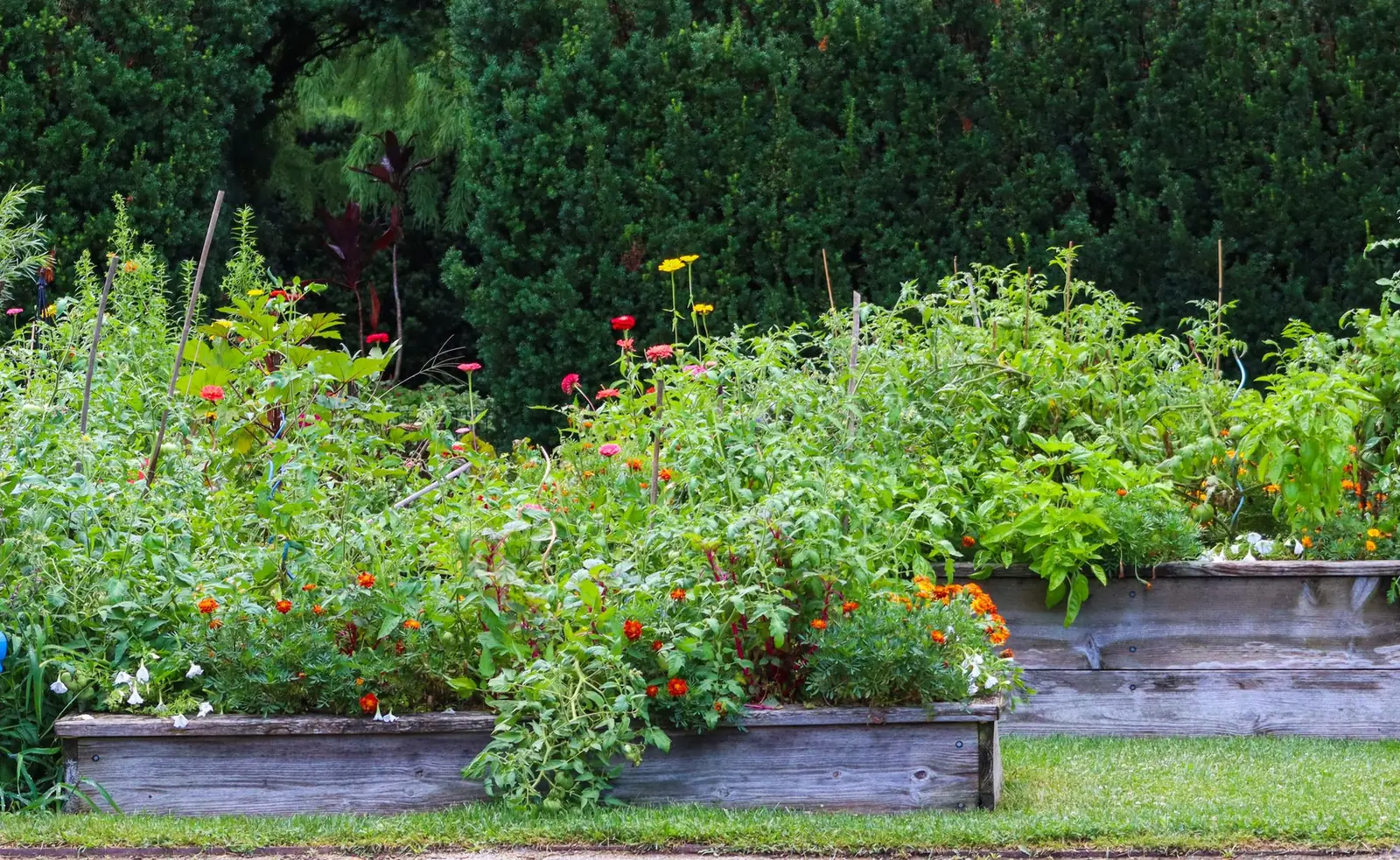
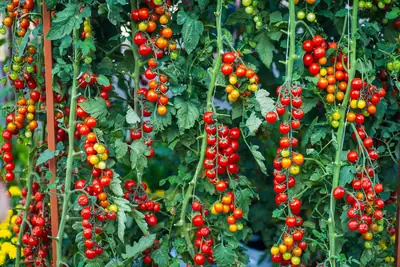 Tomatoes · Transplant outdoorsMay 7
Example: the planting calendar for ZIP 55401
Green bars are planting windows, gold is harvest, the red line is today.
Season 2027: typical last frost Apr 23, first frost Oct 16. Planting windows for 6 crops follow; the same dates are in the crop cards below.
- Tomatoes
- Peppers
- Lettuce
- Peas
- Carrots
- Garlic
- Start indoors
- Plant outdoors
- Expected harvest
- Latest planting date
- Frost-free season (median)
- Spring frost risk (90% to 10%)
- Fall frost risk (10% to 90%)

Check your inbox
We sent a confirmation link to . Click it and your planting calendar PDF is on its way. Nothing there in a few minutes? Check your spam or promotions folder.
Pick a crop
All crops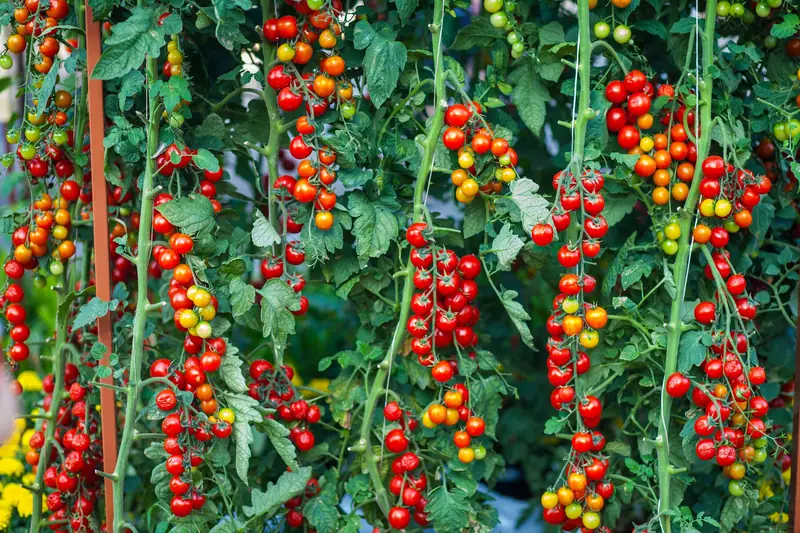
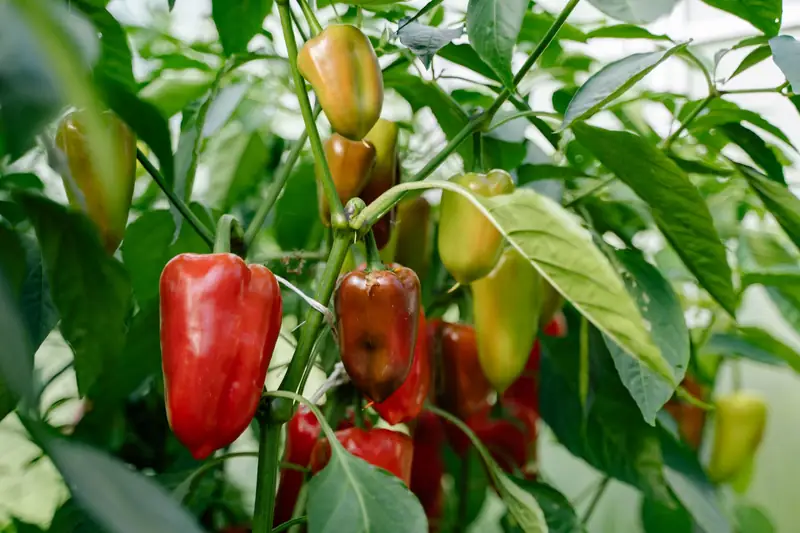
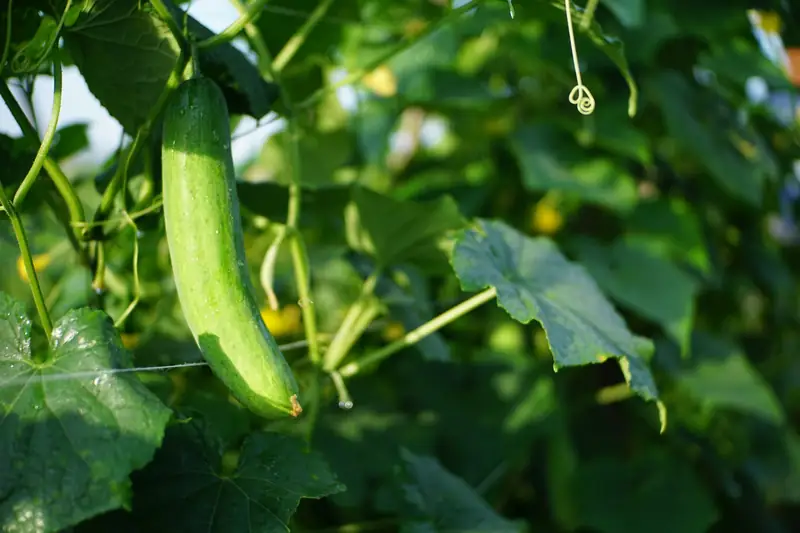
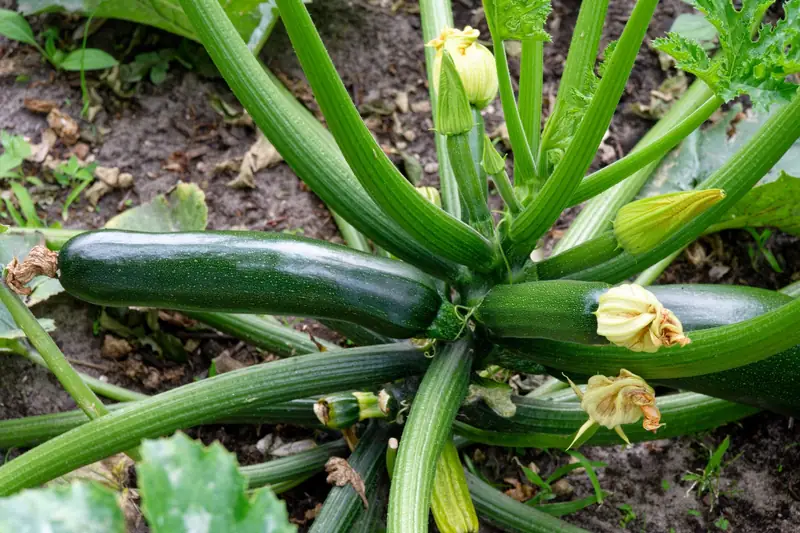
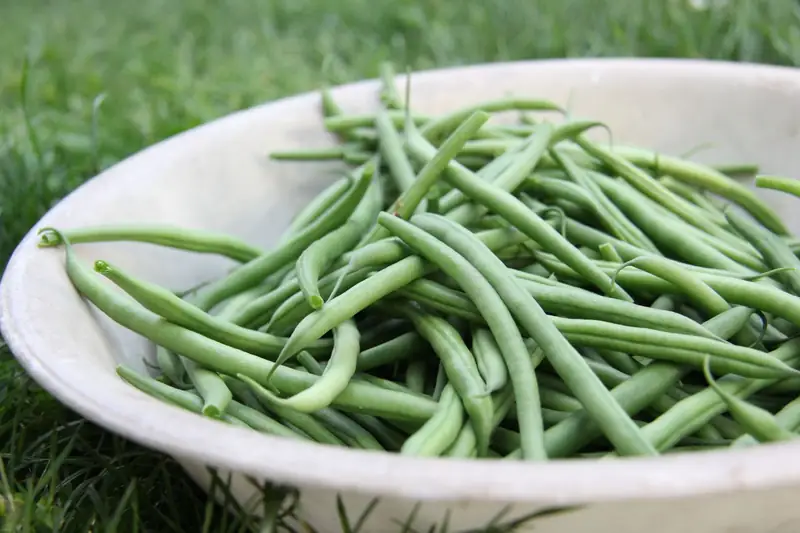
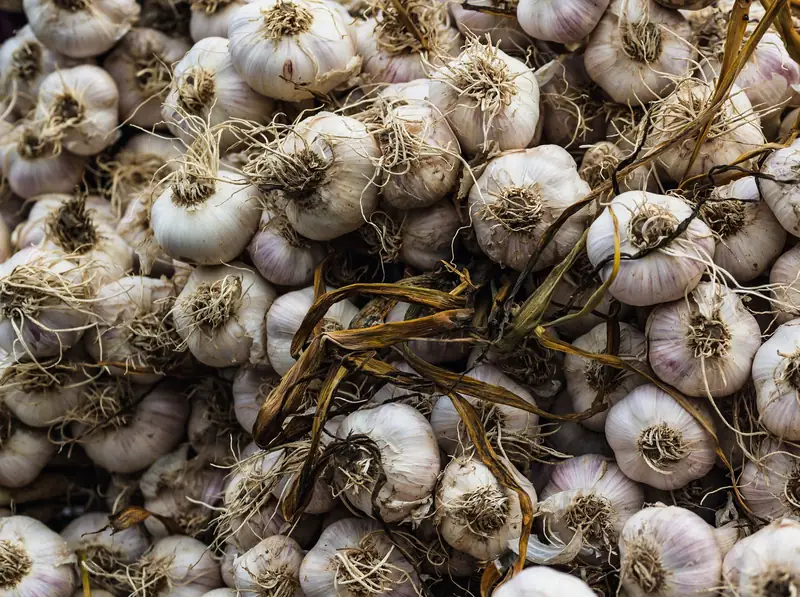
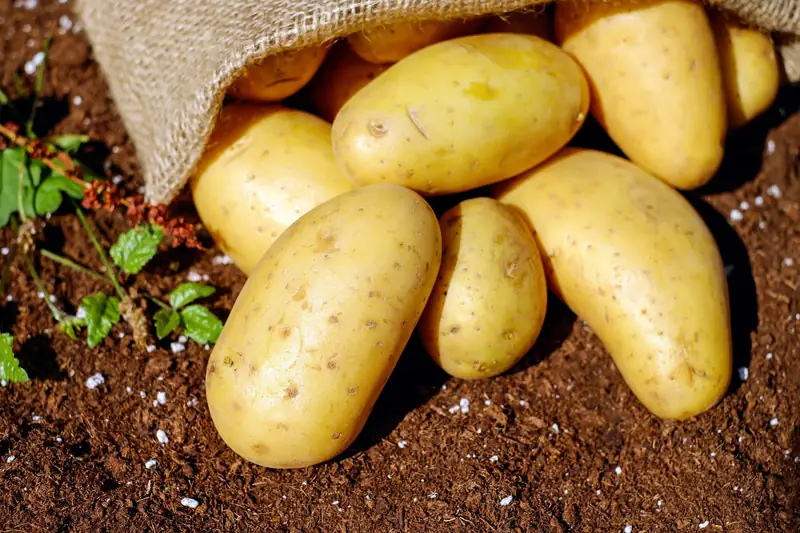
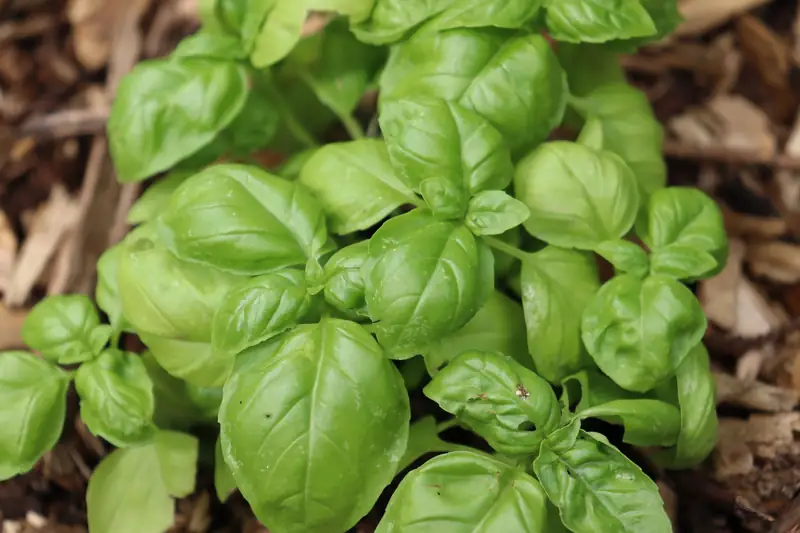
Planting rules from 12 extension services, including Colorado State University Extension, Utah State University Extension, Oregon State University Extension Service, Texas AgriLife Extension Service, The Texas A&M System.

A zone is not a frost date
Hardiness zones describe the coldest night of an average winter. They tell you which perennials survive. They do not tell you when your last spring frost comes, and two gardens in the same zone can be weeks apart.
Each row shows the spread inside one zone, from the frost records matched to every ZIP. That is why the calendar starts from your weather station.
Browse zones- 5aApr 26 – May 20last frost, 2,089 ZIPs24days apart
- 5bApr 21 – May 17last frost, 2,445 ZIPs26days apart
- 6aApr 16 – May 10last frost, 4,375 ZIPs24days apart
- 6bApr 10 – May 3last frost, 4,372 ZIPs23days apart
- 7aApr 4 – Apr 28last frost, 3,807 ZIPs24days apart
- 7bMar 30 – Apr 17last frost, 2,958 ZIPs18days apart
- 8aMar 20 – Apr 7last frost, 2,528 ZIPs18days apart
- 8bMar 6 – Apr 1last frost, 2,535 ZIPs26days apart
How PlantAlong works
Pip explains it in four steps, simple enough for young gardeners.
Step 1: Tell Pip where you garden
Type your ZIP code. Pip finds the weather station closest to you that keeps frost records.
For grown-ups
Matched to the nearest NOAA station with frost data, with its distance, height difference and how much to trust it.
Step 2: Pip checks for frost
A frost is a freezing night, 32°F or colder, that can hurt young plants. Pip reads 30 years of weather records to learn when your last spring frost usually comes.
For grown-ups
NOAA U.S. Climate Normals 1991-2020: the median last spring and first fall frost, plus the dates with only a 10% risk.
Step 3: Pip makes your calendar
Garden experts at universities say things like "plant tomatoes outside two weeks after the last frost". Pip turns that advice into real dates for your garden.
For grown-ups
Rules from university extension services, cited on every date. Where no rule fits your climate, the calendar says so instead of guessing.
Step 4: You plant and grow
When a crop's green bar says it's time, plant it, water it and watch it grow.
For grown-ups
Green bars are planting windows, gold is the expected harvest, and the red line is today.
Garden words
- Frost
- A freezing night, when it gets down to 32°F or colder. Young, tender plants can be damaged by it.
- Last frost date
- The spring day after which freezing nights usually stop where you live. In half of years the last frost comes later, so PlantAlong also shows a safer date.
- Hardiness zone
- A label like 6a for how cold your coldest winter night usually gets. It tells you which plants survive the winter, not when to plant.
Questions
Planting calendar by ZIP code: common questions
Short answers about where the dates come from, how far to trust them, and what the calendar covers.
How does a planting calendar by ZIP code work?
Your ZIP code is matched to the nearest NOAA weather station that keeps frost records. Its 1991-2020 climate normals give your typical last spring frost and first fall frost. University extension rules, such as how long after the last frost to set out tomatoes, then turn those frost dates into sow, transplant and harvest dates for 12 vegetables and herbs.
Is the planting calendar free?
Yes. There is no sign-up and no app to install. The calendar is worked out in your browser, and your full ZIP code is never sent to our server.
Why not just plant by hardiness zone?
A hardiness zone describes how cold your coldest winter night gets. It tells you which perennials survive, not when spring frosts end. Gardens in the same zone can have last frosts weeks apart, which is why the calendar starts from your own weather station.
How accurate are the frost dates?
They are medians: in half of years the last spring frost comes later. Each calendar also shows the date with only a 10% frost risk, the safer choice for tender plants, and how far the weather station is from your ZIP code and how much higher or lower it sits.
Which vegetables and herbs are included?
tomatoes, peppers, cucumbers, zucchini, beans, peas, lettuce, carrots, onions, garlic, potatoes and basil. Every planting rule names the extension service that published it.
Does it cover my area?
It covers 41,195 US ZIP codes, matched to 6,769 NOAA weather stations. Where frost is rare or no published rule fits your climate, the calendar says so instead of guessing.