 PlantAlong

In short
- Iowa State Extension says overly wet conditions cause limp growth and root rot in holiday cacti.
- Clemson Extension names root rot, prevented by avoiding excessive watering, as the major disease of Christmas cacti.
- UConn says underwatered plants shrivel or droop and should get smaller, more frequent waterings rather than a deluge.
- Sources differ on cold limits: Wisconsin gives a 55 to 60°F minimum, Clemson and UConn bring plants in below 50°F, and UT Gardens below 40°F.
- Wisconsin Extension revives a stressed plant by trimming dead roots, air drying them a few days, repotting in fresh mix and watering sparingly.
On this page
- Why is my Christmas cactus limp? Check the soil first
- Cause 1: underwatering
- Cause 2: overwatering and root rot (how to check roots)
- Cause 3: cold drafts or heat
- Cause 4: stress after blooming or repotting
- Cause 5: too much sun (red or purple leaves)
- How to revive a limp Christmas cactus
- FAQ
- What does an overwatered Christmas cactus look like?
- Why is my Christmas cactus turning purple?
- How do you revive a limp Christmas cactus?
- Can you propagate a dying Christmas cactus?
- Sources
A Christmas cactus limp and floppy is almost always telling you something about its roots. University extension services name overwatering and root rot as the most common cause, followed by too little water, cold or heat, stress after blooming or repotting, and too much sun. Check the potting mix before you water again: that one test separates most of the causes.
Why is my Christmas cactus limp? Check the soil first#
Push a finger into the top inch of mix and lift the pot. NC State Extension waters holiday cacti when the top inch looks dry and the pot feels light, so a heavy pot with wet mix and a limp plant points away from thirst.
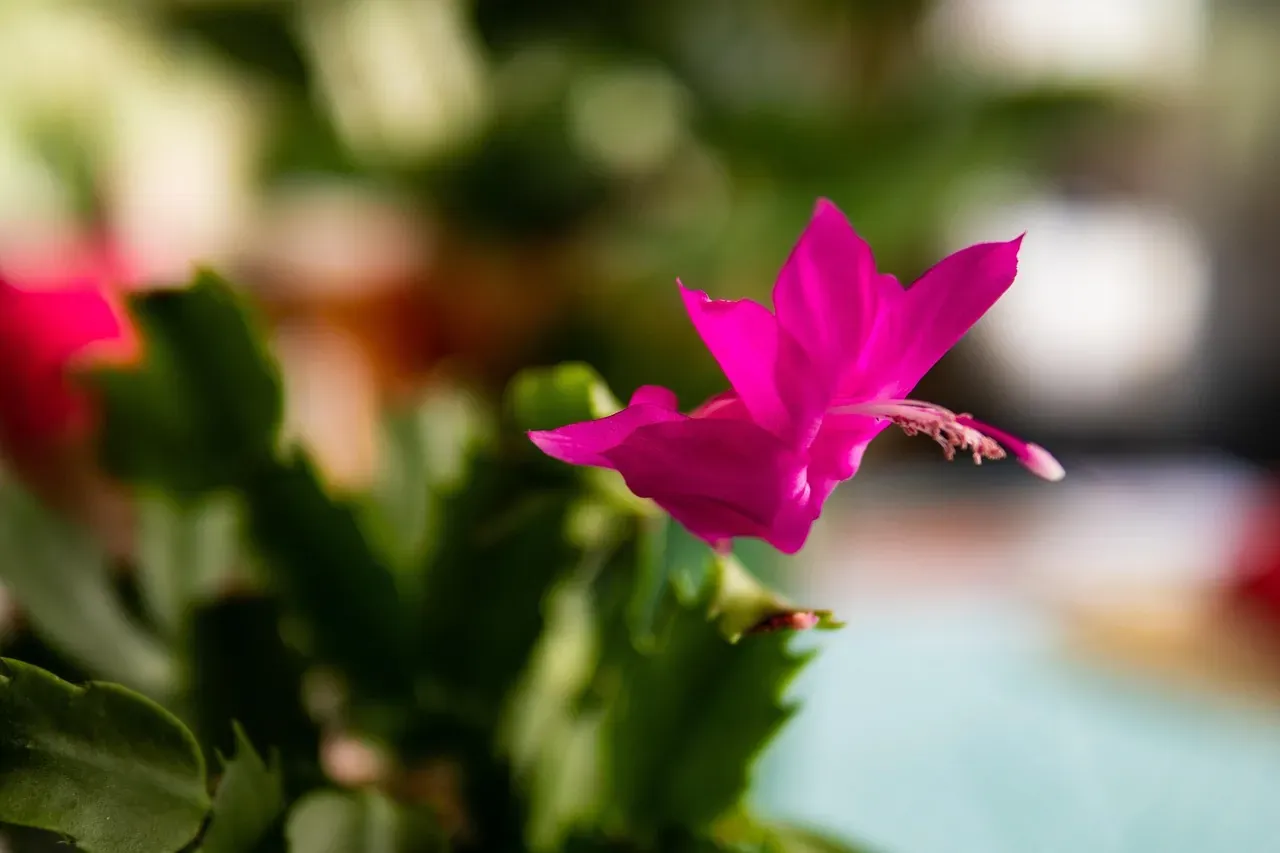 Magenta holiday cactus flower above toothed green stem segments in a bright room
Photo: SamuelStone / Pixabay
Iowa State Extension says overly wet conditions cause limp growth and root rot. Wisconsin Extension adds a useful clue: if a plant is sagging and not growing even though the mix is moist, check whether it still has a healthy root system.
Use this table to match a Christmas cactus limp symptom to its likely cause.
| What you see | Mix | Most likely cause | Source |
|---|---|---|---|
| Limp, sagging stems | Wet, stays wet for days | Overwatering or root rot | Iowa State, Wisconsin |
| Shriveled, drooping segments | Bone dry | Underwatering | UConn |
| Young stems shrivel even after watering | Moist | Roots have died | Wisconsin |
| Blister-like swellings on segments | Wet, cool room, low light | Edema from overwatering | UConn |
| Limp after a cold night or a move | Any | Cold or a sudden change | Clemson, Iowa State |
| Red or purple segments | Any | Stress: bright light, nutrients or heat | Ask Extension |
One reminder from Clemson: these plants have no true leaves. The flat green "leaves" are stem segments (phylloclades), so a Christmas cactus limp at the segments is a stem problem, and stems depend on roots.
Cause 1: underwatering#
A Christmas cactus limp and shriveled in bone-dry mix fits this cause. Holiday cacti are true cacti, but UConn's Home & Garden Education Center says they are not as drought tolerant as desert cacti. It notes that a lack of regular watering often goes unnoticed until the plants begin to shrivel or droop.
The fix is gentle. UConn's advice for an underwatered, wilting plant is smaller but more frequent waterings, not a deluge. The reason: many roots dry out and die during a long dry spell, and a sudden flood can rot the ones that are left.
For the full schedule, see how often to water a Christmas cactus. Illinois Extension's rule is to water when the top inch of soil is dry to the touch.
Shop the essentials
What you'll need
Supplies for the steps in this guide.
 FeedHouseplant fertilizerLiquid food for indoor flowering plants. Follow the label rate.: check price on Amazon (opens in a new tab)
 RepotCactus potting mixA fast-draining mix for holiday cactus and succulents.: check price on Amazon (opens in a new tab)
 To plantPots with drainage holesPlanters with drainage holes for herbs, bulbs and houseplants.: check price on Amazon (opens in a new tab)
 Before wateringSoil moisture meterA probe that shows whether a pot is wet or dry.: check price on Amazon (opens in a new tab)
As an Amazon Associate I earn from qualifying purchases. Photos show the type of product, not a specific listing. How we choose
Cause 2: overwatering and root rot (how to check roots)#
This is the cause to rule out first when you find your Christmas cactus limp in wet soil. Clemson Extension calls root rot the major disease of Thanksgiving and Christmas cacti and says it can be prevented by avoiding excessive watering. Clemson's houseplant disorders sheet explains that overwatering kills roots from a lack of oxygen.
To check the roots, slide the plant out of its pot. Clemson's houseplant disease guide describes what rot looks like:
- Roots: infected roots are brown to black and may be soft.
- Stem base: stems may be girdled at or near soil level by a ring of brown or black tissue.
- Whole plant: leaves and stems show noticeable wilt.
Penn State Extension's disease table adds that with Phytophthora root rot, plants turn gray-green, wilt and die.
UConn and the University of Maryland Extension both describe edema, blister-like or bumpy swellings on the segments, linked to soil that stays too wet, especially with low light. UConn adds cool nights to that list.
Cause 3: cold drafts or heat#
A Christmas cactus limp after a night outdoors or beside a cold window may be reacting to temperature. Sources set the limit at different points:
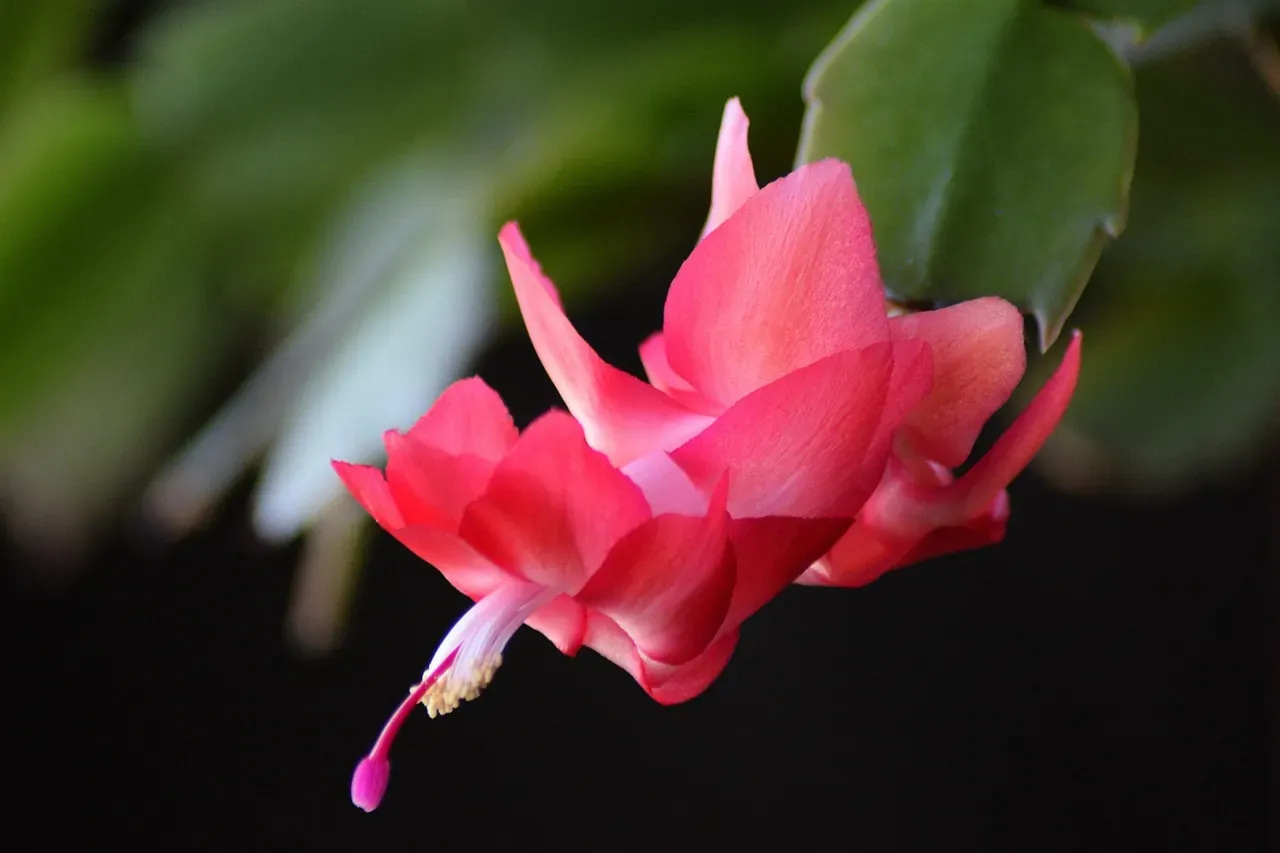 Coral pink holiday cactus flower hanging from a stem with flat green segments
Photo: nylesmc / Pixabay
- Wisconsin Extension: minimum temperatures of 55 to 60°F; the plants cannot tolerate frost.
- Clemson and UConn: bring plants inside before nights drop below 50°F.
- UT Gardens (University of Tennessee): outdoors they can handle nights into the 40s, but should not stay out once nights dip below 40°F.
Heat matters too. NC State says plants kept over 90 or under 50 degrees after buds set often drop their buds, and UF/IFAS says to keep plants away from drafts and heat sources such as vents, fireplaces and televisions.
If a plant was left out in a freeze, an Ask Extension expert advised cutting back stems that turn mushy and waiting: if the roots survived, new growth may come from them. Watch the forecast with frost alerts so pots come in before nights get that cold.
Cause 4: stress after blooming or repotting#
Some droop after flowering is a rest signal, not a crisis. Iowa State says that after flowering you should move the plant to a cooler spot and water less often. UConn says to cut back on water slightly until new growth appears.
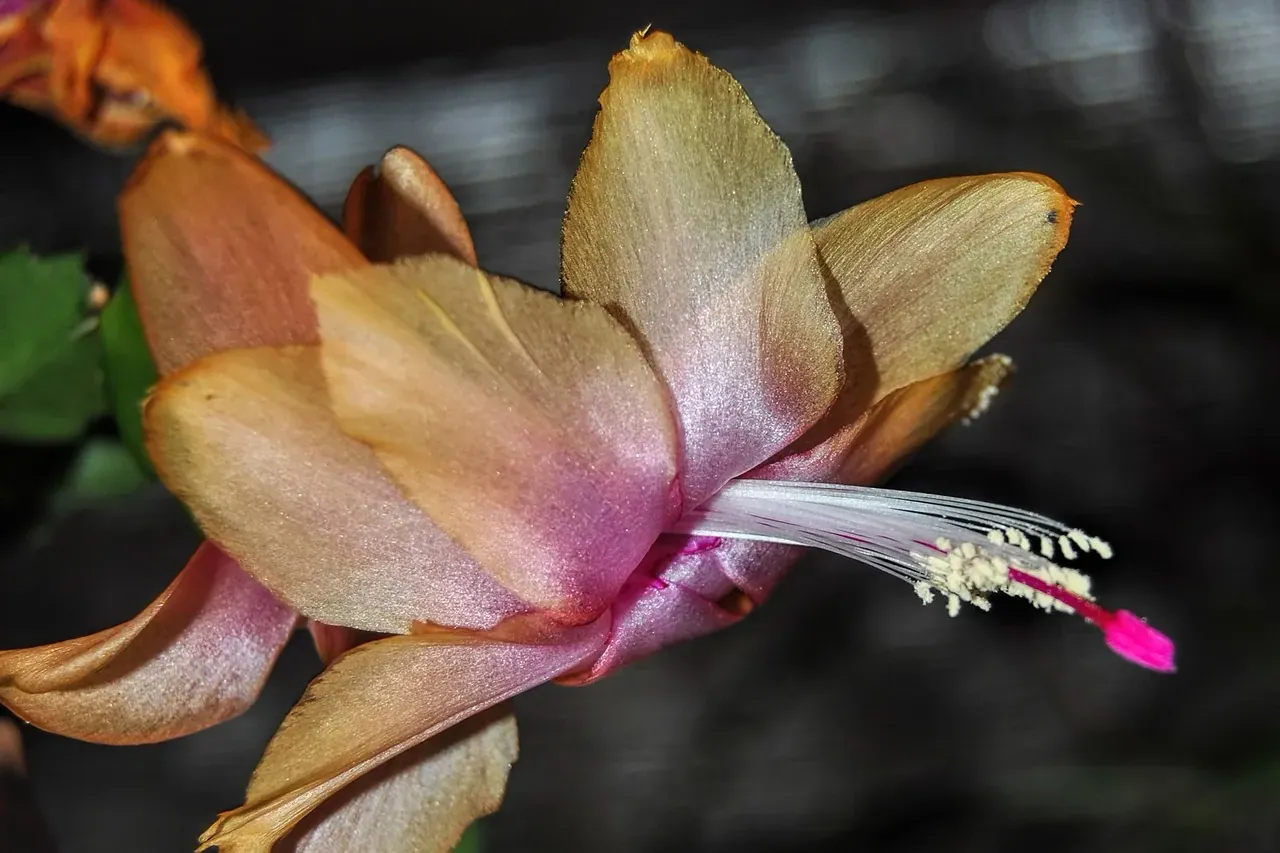 Peach holiday cactus flower in full bloom with a faded, withered flower behind it
Photo: wuermchen1 / Pixabay
Repotting is the other common trigger for a Christmas cactus limp for a few weeks. Penn State says to place a freshly repotted plant in shade for two to three days, then resume a regular routine, and never to repot a plant that is actively blooming. Wisconsin Extension suggests cutting back on normal watering for a month or so after repotting so new feeder roots can develop.
Old mix can cause slow decline: Wisconsin says peat moss can lose its structure after a few years, leading to poor drainage and root suffocation.
Clemson says holiday cacti flower best somewhat pot-bound and need repotting only about once every three years, in spring. If yours stops blooming instead, see Christmas cactus not blooming.
Cause 5: too much sun (red or purple leaves)#
Red or purple segments are a stress color. An Ask Extension answer from a Minnesota Master Gardener explains that bright light makes the plant produce anthocyanins, purple pigments that protect it from UV. The same answer says deficiencies of magnesium, nitrogen or phosphorus, and high temperatures, can also cause purple leaves.
Light guidance from extension sources:
- Clemson: light shade is best. Bright summer sun can make plants look pale and yellow.
- Penn State: prefers filtered light and is damaged by full sun.
- Wisconsin: a southern exposure works if the plant gets no more than a few hours of direct morning sun.
- UF/IFAS: bright, indirect light within six feet of a south-, east- or west-facing window.
On nutrients, Clemson says holiday cacti need more magnesium than many plants and suggests Epsom salts at 1 teaspoon per gallon of water, monthly in the growing season, never in the same week as regular fertilizer.
How to revive a limp Christmas cactus#
If you find your Christmas cactus limp, work through these steps in order.
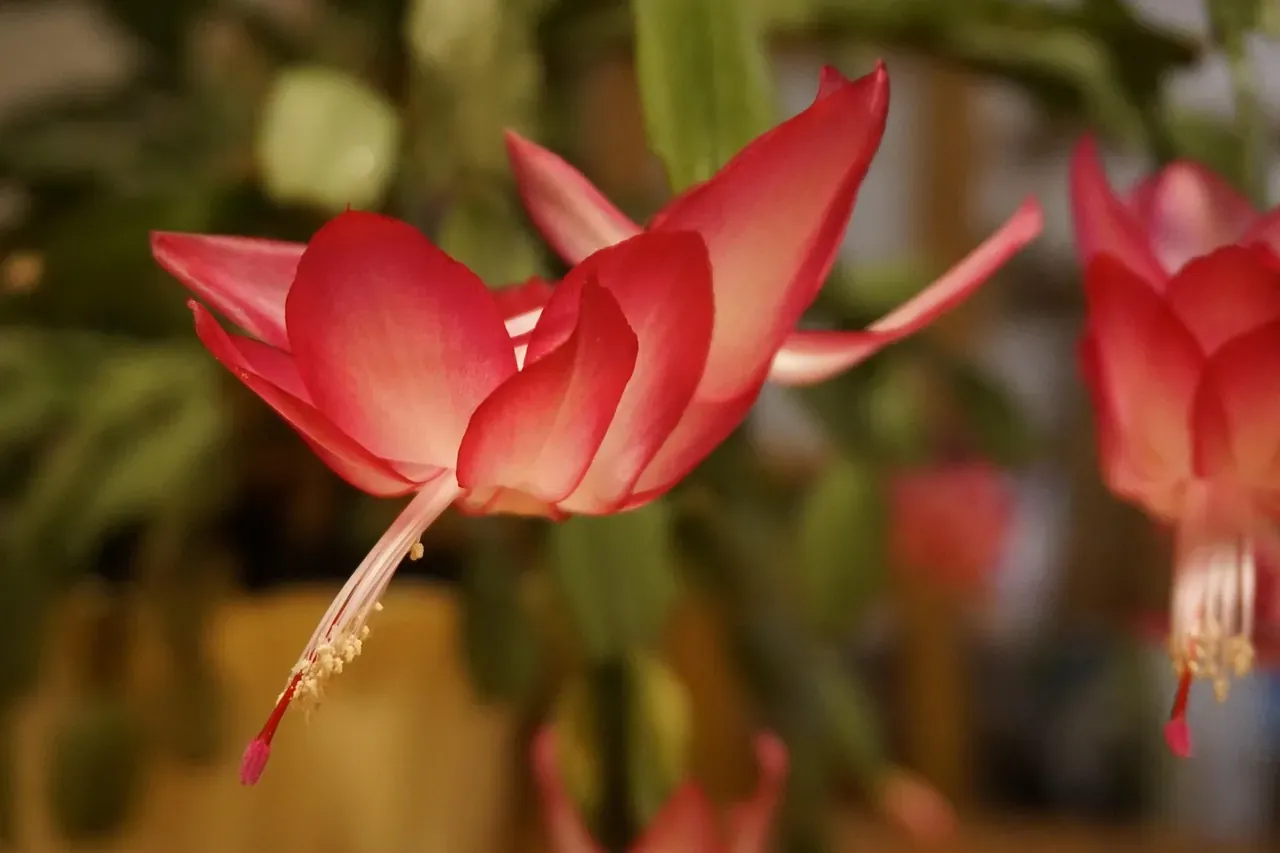 Coral holiday cactus flowers hanging from arching stems of a potted houseplant
Photo: 7103983 / Pixabay
- Feel the mix. Dry and light: water thoroughly, then use smaller, more frequent waterings (UConn). Wet and heavy: stop watering and check the roots.
- Inspect the roots. Wisconsin says to unpot a stressed plant, cut back dead or diseased roots, and let the pruned roots air dry for a few days before repotting.
- Use fresh, well-drained mix. Clemson suggests 60 to 80% potting soil with 20 to 40% perlite. If only a few roots are infected, Clemson's disease guide says to cut them out and repot in sterile soil.
- Water sparingly at first. Wisconsin waters a rehabilitated plant sparingly, just around the surviving roots. If it works, the remaining stems eventually plump up and new growth begins.
- Fix the spot. Keep it out of drafts and away from heat sources (UF/IFAS), in bright, indirect light.
- Take cuttings as insurance. Wisconsin recommends rooting cuttings of a badly stressed plant, while warning the success rate may be very low.
Be patient. A Christmas cactus limp from root loss recovers slowly because it has to grow new roots first.
FAQ#
What does an overwatered Christmas cactus look like?#
Limp growth and root rot, according to Iowa State, often while the mix is still moist (Wisconsin). Penn State describes rotting plants turning gray-green, and UConn notes blister-like swellings (edema).
Why is my Christmas cactus turning purple?#
Usually stress. An Ask Extension answer links purple color to bright light (protective anthocyanin pigments), shortages of magnesium, nitrogen or phosphorus, and high temperatures. Move it to bright, indirect light and review feeding.
How do you revive a limp Christmas cactus?#
Check the mix first. If it is dry, water with smaller, more frequent waterings (UConn). If it is wet, unpot it, trim dead roots, let them air dry for a few days, repot in fresh mix and water sparingly (Wisconsin).
Can you propagate a dying Christmas cactus?#
Yes, and Wisconsin Extension recommends it when roots have died, though success may be very low for very stressed plants. Iowa State's method: remove 2 to 5 segments at a joint, let the ends callus overnight, and insert them about 1 inch deep in moist perlite or coarse sand. Roots form in 6 to 8 weeks.
Sources#
- Thanksgiving & Christmas Cacti (HGIC 1554) (Clemson Cooperative Extension, HGIC)
- Houseplant Diseases & Disorders (HGIC 2251) (Clemson Cooperative Extension, HGIC)
- Holiday Cactus (University of Wisconsin-Madison Division of Extension)
- Holiday Cacti (UConn Home & Garden Education Center)
- All About Holiday Cacti (Iowa State University Extension and Outreach)
- How to Care for Holiday Cacti (Iowa State University Extension and Outreach)
- Holiday Cacti Care (Penn State Extension)
- Christmas Cactus Diseases (Penn State Extension)
- Caring for Christmas Cactus (NC State Extension, Pender County Center)
- Holiday Cacti (University of Illinois Extension)
- Christmas Cactus (UF/IFAS Gardening Solutions)
- Christmas Cactus, UT Gardens Plant of the Month (University of Tennessee Institute of Agriculture)
- Christmas Cactus: purple stems (#801924) (Ask Extension, Minnesota Master Gardener)
- Christmas Cactus Problem: edema (#896947) (Ask Extension, University of Maryland Extension HGIC)
- Christmas cactus left outside in freezing temperatures (#607089) (Ask Extension)
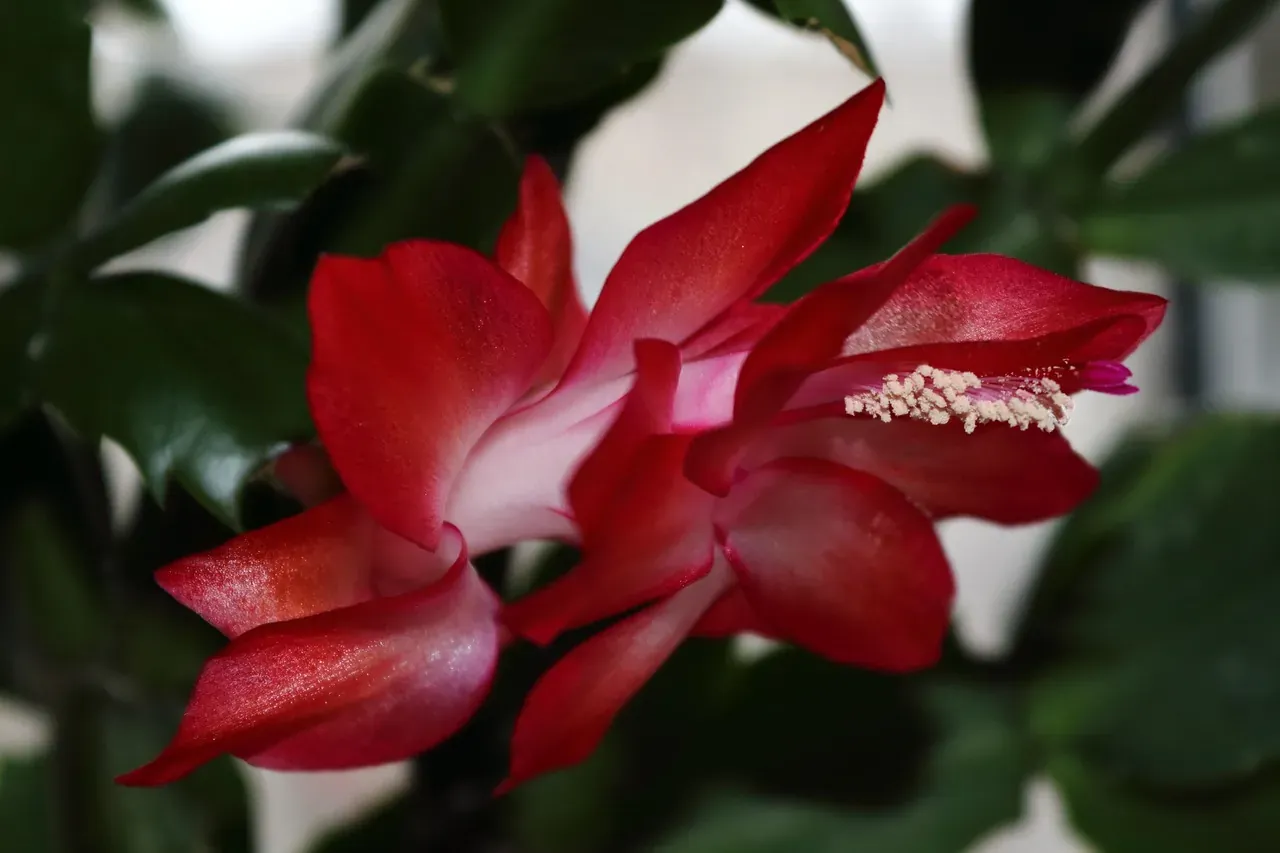
Featured photo: DEHNCKA / Pixabay.




Check your inbox
We sent a confirmation link to . Click it and your planting calendar PDF is on its way. Nothing there in a few minutes? Check your spam or promotions folder.



No comments yet. Tried this in your garden, or found a date that worked better? Start the thread.
Leave a comment