 PlantAlong

In short
- Illinois Extension says loose-leaf lettuce grown indoors can usually be harvested at about 4 weeks, so winter seed packets pay off fast.
- Iowa State Extension says many vegetable seeds stay viable for 2 to 3 years when stored cool and dry in a sealed jar.
- CSU lists minimum germination soil temperatures from 35°F for leaf lettuce to 60°F for peppers, which a soil thermometer can check.
- Clemson Extension recommends labeling each container with the name, variety and planting date.
- N.C. Cooperative Extension says most vegetable gardens need about 1 inch of water per week, which a rain gauge helps track.
On this page
- How we picked these stocking stuffers for gardeners
- Seeds and seed-starting bits
- Small tools
- Garden gloves and care
- Labels, twine and markers
- For the planner (notebook, printable calendar)
- Three themed stockings
- FAQ
- What is a good small gift for a gardener?
- What should I give my gardener for Christmas?
- Are seeds a good gift?
- Sources
PlantAlong may earn a commission from qualifying purchases. Affiliate disclosure.
The best stocking stuffers for gardeners are small things they reach for every week: seed packets, a soil thermometer, plant labels, snips and a good pair of gloves. Below are 20 ideas grouped by use, with a few extension-sourced facts that make each one more useful. Links go to Amazon searches so you can compare current options and prices yourself.
How we picked these stocking stuffers for gardeners#
Every item here fits in a stocking and gets used in a normal vegetable garden. We did not list prices, ratings or brands, because those change and we could not verify them for you. Where a gift connects to a growing fact, we cite the extension source.
Shopping for a bigger present? Our guide to gifts for vegetable gardeners covers larger items.
Seeds and seed-starting bits#
Seeds are among the easiest stocking stuffers for gardeners to get right, because almost every gardener uses them and they fit in a card.
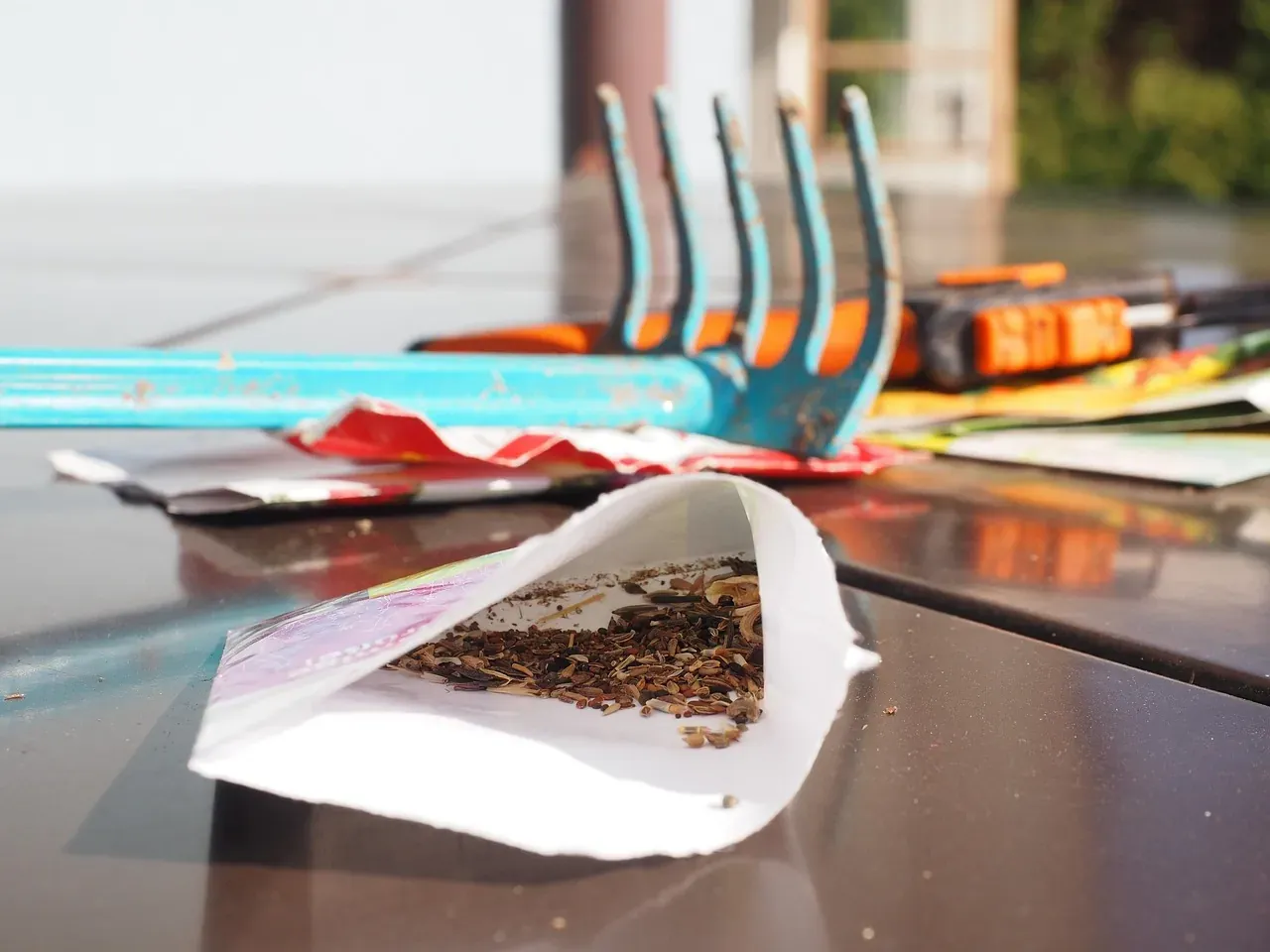 Open seed packet spilling seeds on a table beside a blue hand rake and more seed packets
Photo: Hans / Pixabay
1. Seed packets for winter. Lettuce and herbs can grow indoors right now. Illinois Extension says loose-leaf lettuce can usually be harvested at about 4 weeks indoors, and lists basil, chives, oregano, thyme, rosemary, parsley, sage and mint as herbs that do well inside. Search lettuce seed packets or indoor herb seeds.
2. A seed storage jar or tin. Iowa State Extension says leftover seeds of many vegetables stay viable for 2 to 3 years if stored properly: cool and dry, kept in their original packets, inside a tightly sealed jar. Search seed storage containers.
3. A soil thermometer. Seeds sprout when the soil, not the air, is warm enough. Colorado State University's planting guide lists the minimum soil temperature for germination, so a thermometer tells you when to sow. Search soil thermometers.
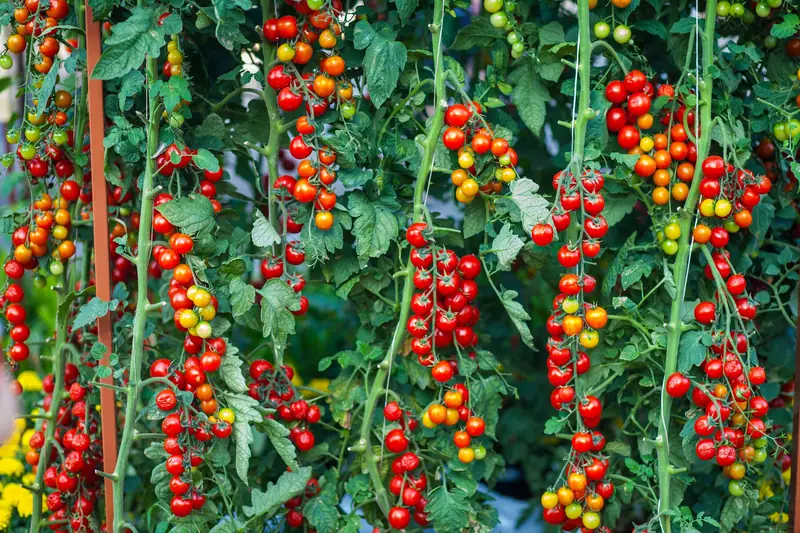
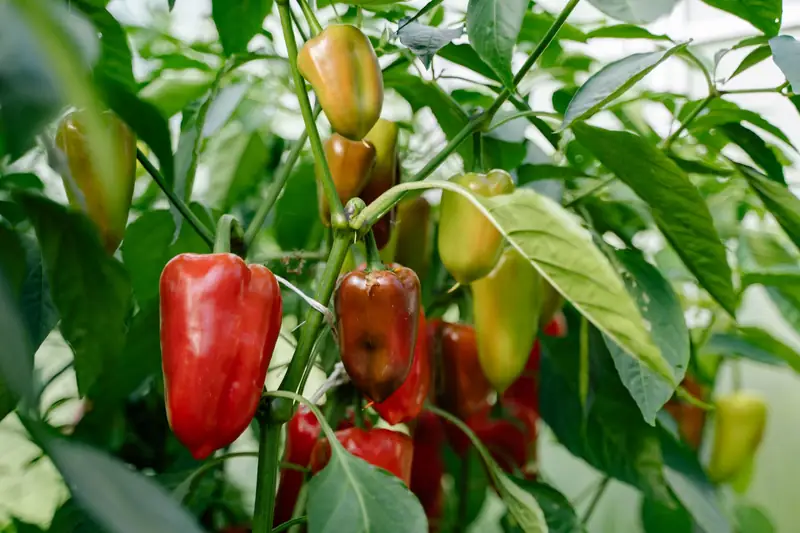
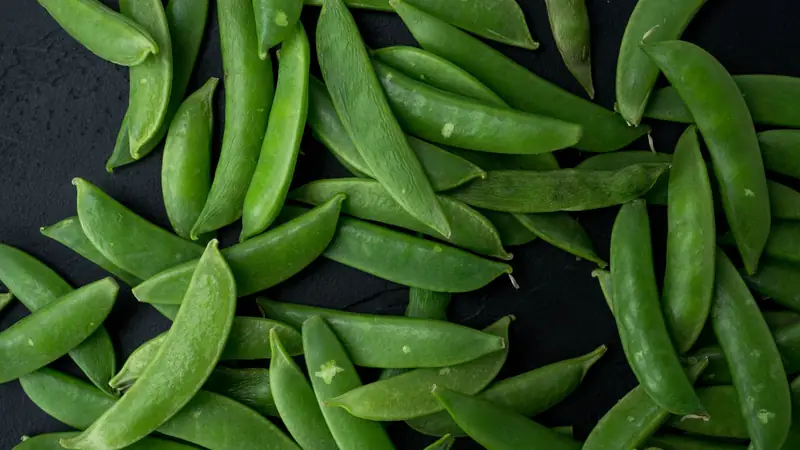
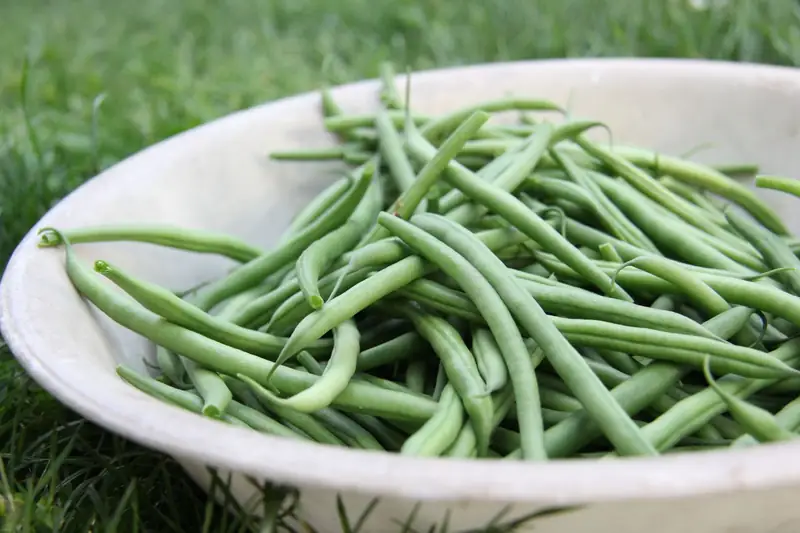
| Crop | Minimum soil temp to germinate | Optimum |
|---|---|---|
| Lettuce (leaf) | 35°F | 70°F |
| Peas | 40°F | 70°F |
| Tomatoes | 50°F | 80°F |
| Snap beans | 55°F | 80°F |
| Peppers | 60°F | 80°F |
Source: CSU Extension, CMG GardenNotes #720, Table 1.
4. Seed-starting cells or small pots. Useful for anyone who starts tomatoes or peppers indoors in late winter. Search seed starting trays. For the how-to, see how to start seeds indoors.
5. A plant mister. Illinois Extension's indoor lettuce handout notes that a spray bottle of water works well for watering newly sown seed lightly. Search plant misters.
Shop the essentials
What you'll need
Supplies for the steps in this guide.
 Store seedsSeed storage boxKeeps seed packets dry, dark and sorted between seasons.: check price on Amazon (opens in a new tab)
 Watch the frostMin/max thermometerRecords the overnight low at your own plants.: check price on Amazon (opens in a new tab)
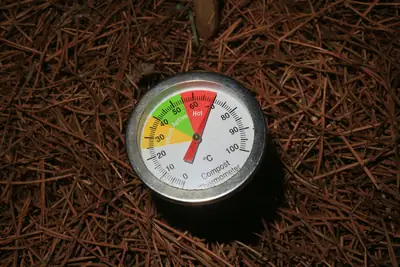 Before sowingSoil thermometerCheck your soil against the minimum temperature on this page before you sow.: check price on Amazon (opens in a new tab)
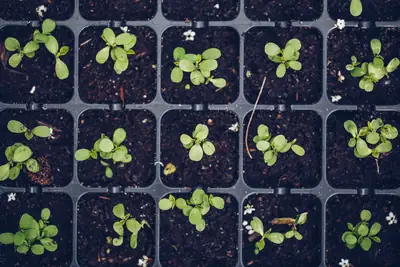 Start indoorsSeed-starting trays with lidsCell trays with clear domes for sowing seeds indoors.: check price on Amazon (opens in a new tab)
As an Amazon Associate I earn from qualifying purchases. Photos show the type of product, not a specific listing. How we choose
Small tools#
Small hand tools are classic stocking stuffers for gardeners because they wear out, get lost in mulch, or end up borrowed.
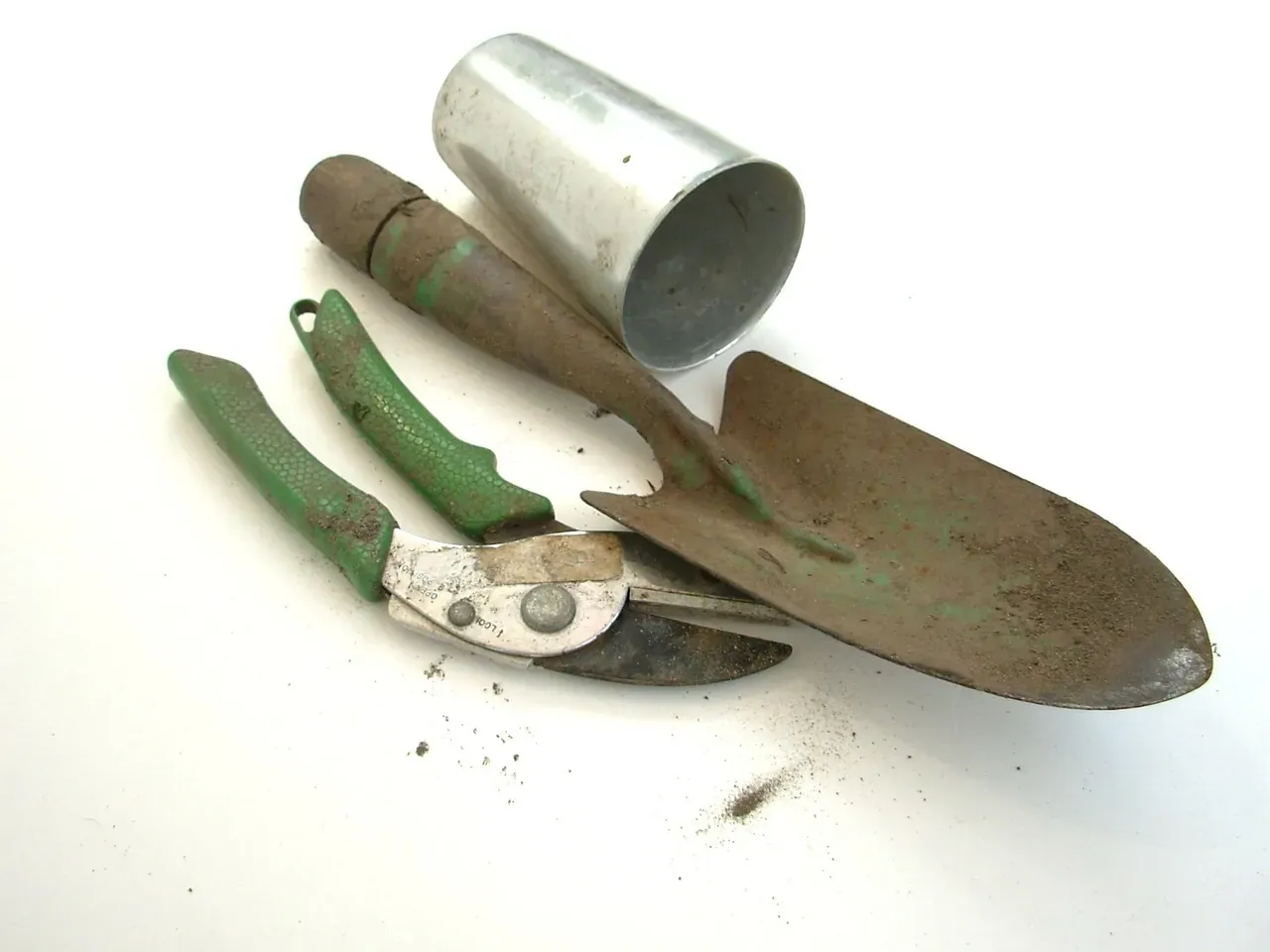 Well-used hand trowel and green-handled pruners lying on a white surface
Photo: deborahmiller56 / Pixabay
6. A hand trowel. For transplants, bulbs and container work. Search hand trowels.
7. Hand pruners. For cutting back herbs, tomato suckers and spent stems. Search hand pruners.
8. Harvest snips or herb scissors. University of Vermont Extension suggests clipping extra lettuce seedlings at the soil line with a sharp pair of scissors, then harvesting the outer leaves of greens once they reach 3 to 4 inches. Small snips make that easy. Search harvest snips.
9. A hand cultivator. A three-tine claw for loosening the top of a bed and pulling small weeds. Search hand cultivators.
10. A soil knife. Also sold as a hori-hori: a digging knife for weeding and dividing. Search soil knives.
Garden gloves and care#
11. Garden gloves. Gloves wear through, so a fresh pair is rarely wasted. Check the size of the pair they already use before you buy. Search garden gloves.
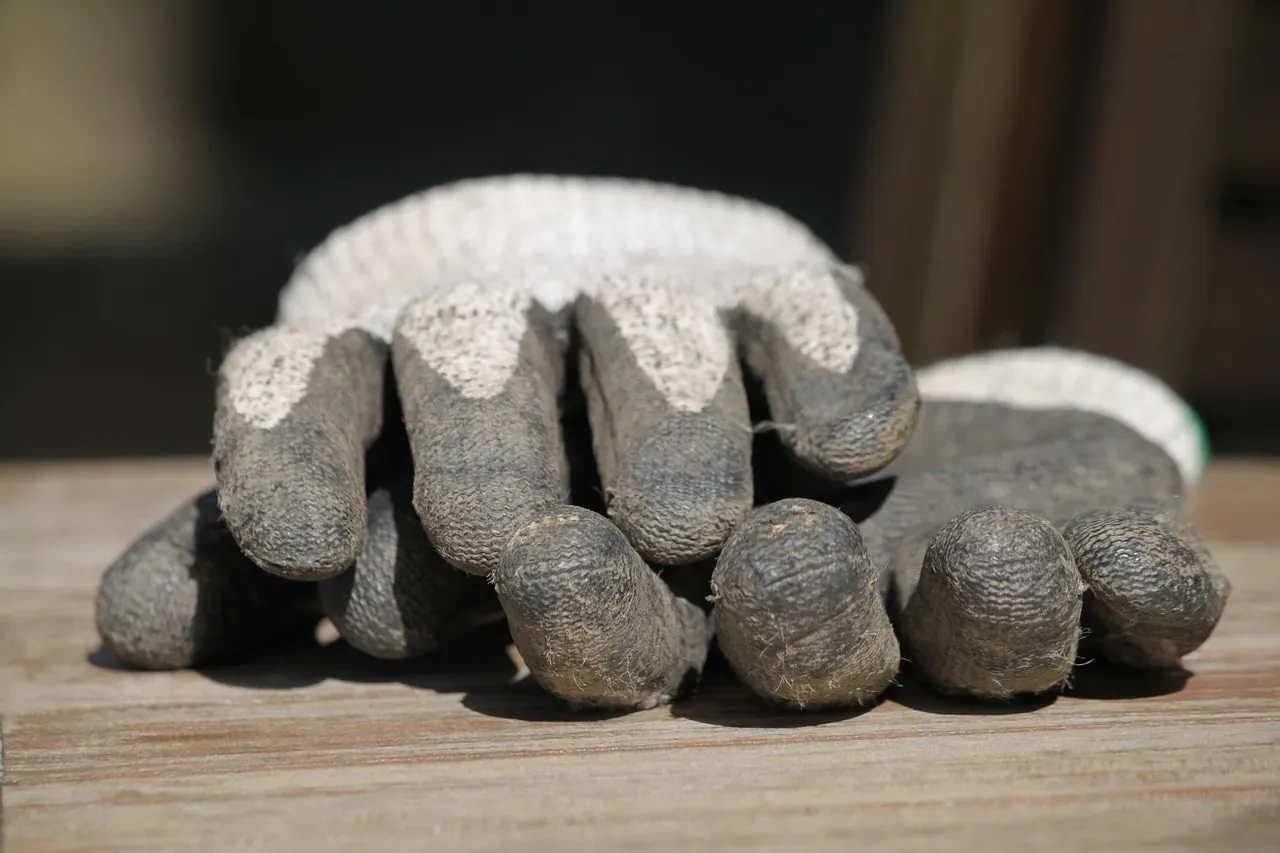 Pair of worn gray coated garden gloves resting on a wooden table in the sun
Photo: cocoparisienne / Pixabay
12. Hand cream for gardeners. A small tube for dry, scratched hands after a day of weeding. Search gardener's hand cream.
13. A kneeling pad. A foam pad for planting and weeding at ground level. Search kneeling pads.
14. A nail brush. A stiff brush by the sink for after the garden. Search nail brushes.
Labels, twine and markers#
These are the stocking stuffers for gardeners that quietly run out mid-season, so a fresh supply is welcome.
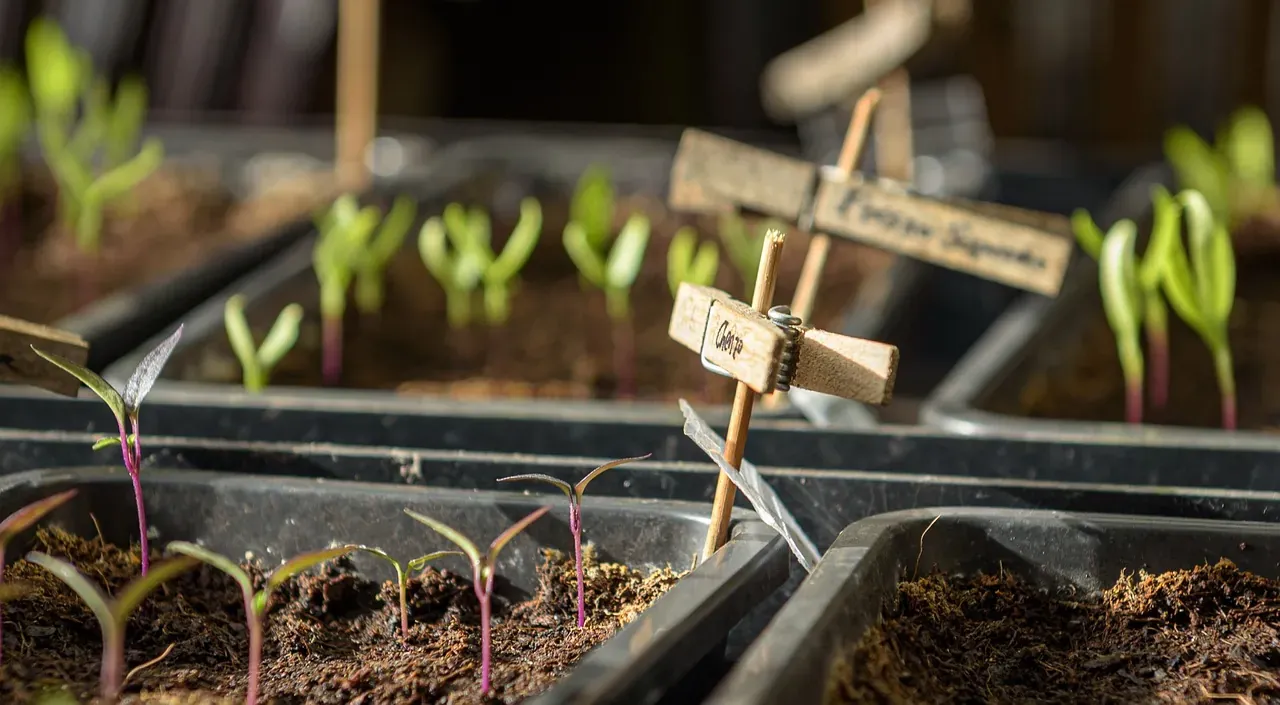 Seedlings in black trays marked with handwritten wooden plant labels
Photo: AndreasGoellner / Pixabay
15. Plant labels. Clemson Extension recommends putting a label with the name, variety and date of planting on or in each container. A pack of labels makes that habit easy. Search plant labels.
16. A waterproof garden marker. For writing those labels so they stay readable. Search garden marker pens.
17. Jute twine. For tying tomatoes, peas and beans to stakes and trellises. Search garden twine.
18. A rain gauge. N.C. Cooperative Extension says most vegetable gardens need approximately 1 inch of water per week and suggests a rain gauge or a straight-sided container, like an empty tuna can, to measure it. A gauge shows whether this week's rain covered it. Search rain gauges.
For the planner (notebook, printable calendar)#
Winter is planning season, so paper and planning gifts make thoughtful stocking stuffers for gardeners while the beds are bare.
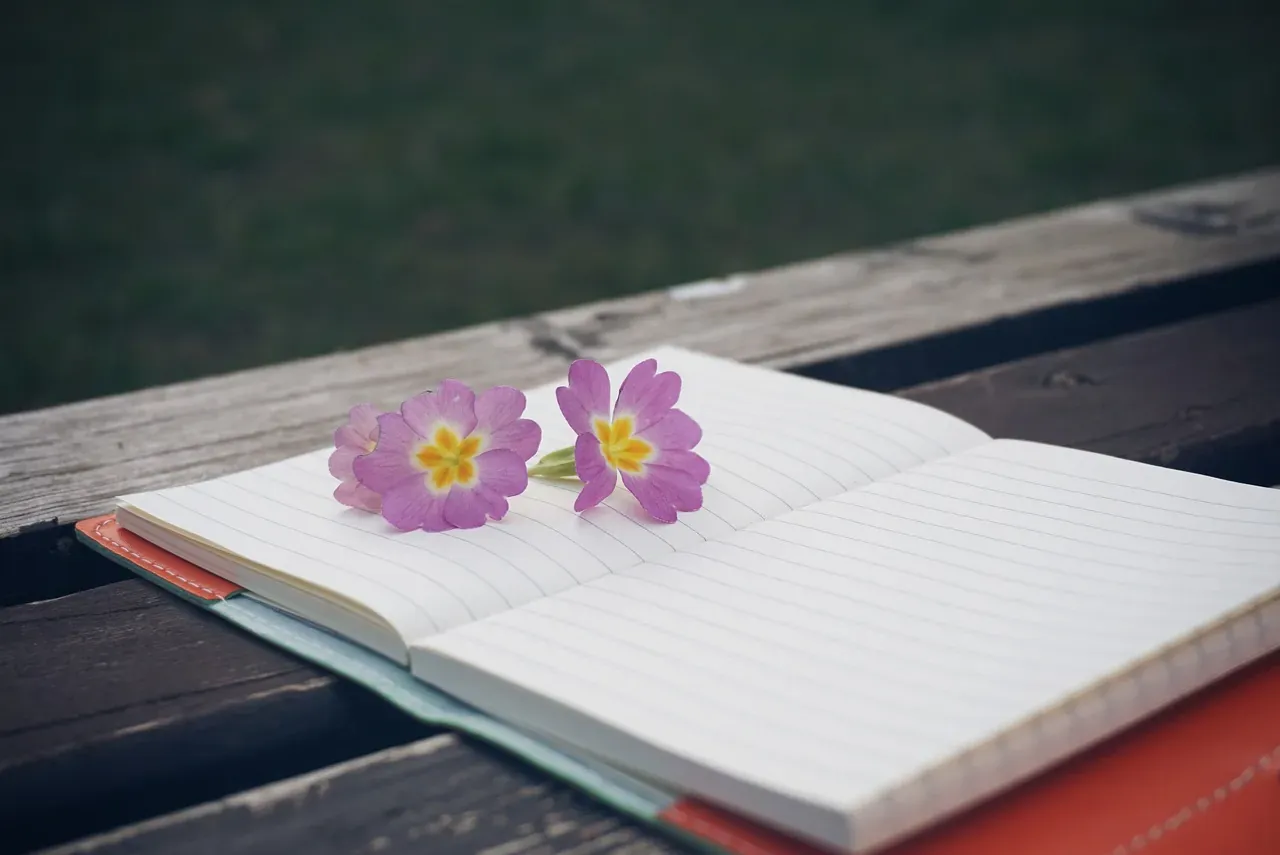 Open lined notebook with two pink primrose flowers on a wooden bench
Photo: freephotocc / Pixabay
19. A garden notebook. For sowing dates, varieties and what worked. Pair it with labels so the notes and the beds match. Search garden journals.
20. A soil test kit from extension. Many land-grant universities sell soil test kits. Penn State Extension, for example, sells standard kits through its county offices; the kit has a submission form, sampling instructions, a sample bag and a return envelope. Check your own state's extension service for its kit and fee.
Two free extras to tuck in with a gift tag:
- A printed copy of our companion planting chart.
- Their own frost dates and sowing windows from the ZIP planting calendar. Hardiness zone and frost date are separate things, and frost dates vary a lot inside one zone, so the ZIP lookup is more useful than a zone map.
Three themed stockings#
If you want the gifts to work together, group them by job:
- Winter windowsill: lettuce or herb seeds, a plant mister and harvest snips. Illinois Extension recommends 6 to 8 hours of bright light a day for indoor lettuce and herbs, so add a note to pick the sunniest window.
- Seed-starting kit: seed-starting cells, a soil thermometer, plant labels and a waterproof marker.
- Records and watering: a rain gauge, a garden notebook and a printed companion planting chart.
Themed sets like these turn a handful of small stocking stuffers for gardeners into one useful gift.
FAQ#
What is a good small gift for a gardener?#
Something consumable or easy to lose: seed packets, plant labels, twine, snips or gloves. These are the most practical stocking stuffers for gardeners because they get used up and replaced every season.
What should I give my gardener for Christmas?#
Combine a few stocking stuffers by season. In winter, seeds for indoor lettuce and herbs pay off within weeks (Illinois Extension says loose-leaf lettuce can be ready at about 4 weeks). For spring, a soil thermometer, labels and seed-starting cells help with planting. For a larger gift, see our gifts for vegetable gardeners guide.
Are seeds a good gift?#
Yes, especially seeds they can use soon. Iowa State Extension says many vegetable seeds stay viable for 2 to 3 years if stored cool and dry in a sealed jar, so a packet given in December is still good for spring. A storage tin makes the gift last longer.
Sources#
- Grow Herbs and Lettuce Indoors this Winter (University of Illinois Extension)
- Growing Lettuce and Herbs Indoors (University of Illinois Extension)
- What is the best way to store left-over flower and vegetable seeds? (Iowa State University Extension and Outreach)
- Vegetable Planting Guide (CMG GardenNotes #720) (Colorado State University Extension)
- Growing Greens Indoors in Winter (University of Vermont Extension)
- Container Vegetable Gardening (Clemson Cooperative Extension, HGIC)
- Watering Wisely: How Much Your Summer Vegetable Garden Really Needs (N.C. Cooperative Extension, Wilkes County)
- Soil Testing (Penn State Extension)
Featured photo: JillWellington / Pixabay.



Check your inbox
We sent a confirmation link to . Click it and your planting calendar PDF is on its way. Nothing there in a few minutes? Check your spam or promotions folder.
Crops in this article


No comments yet. Tried this in your garden, or found a date that worked better? Start the thread.
Leave a comment