 PlantAlong
In short
- Clemson Extension says window light is usually not enough for seedlings and hangs lights 2 to 4 inches above them for 12 to 16 hours a day.
- Clemson puts the ideal soil temperature for germination at 65 to 75°F; Colorado State lists 80°F as optimum for tomatoes and peppers.
- Colorado State says to plant when soil reaches each crop's minimum temperature, measured at 8 a.m. at 4 inches deep, from 35°F for leaf lettuce to 60°F for cucumbers and peppers.
- Nebraska Extension says a cover keeps the ground's heat around plants on a frosty night; uncover after the temperature rises above 32°F.
- Penn State Extension says a cold frame uses only sunlight to moderate its temperature, while a hot bed adds heat from a heat mat or another source.
- University of Maryland Extension's Project Spudnik grows potatoes in 12-gallon fabric grow bags 16 inches deep and 16 inches across.
On this page
- How we chose these gifts for vegetable gardeners
- For seed starting
- 1. Seed-starting trays with humidity domes
- 2. A seedling heat mat with a thermostat
- 3. An LED grow light and a plug-in timer
- 4. A bag of seed-starting mix
- For frost and season extension
- 5. Frost cloth
- 6. Garden hoops for a low tunnel
- 7. A cold frame
- For soil and beds
- 8. A soil thermometer
- 9. Raised bed soil, sized with a calculator
- 10. A rain gauge
- Tools they will reach for
- 11. A hori-hori garden knife
- 12. Bypass pruners or harvest snips
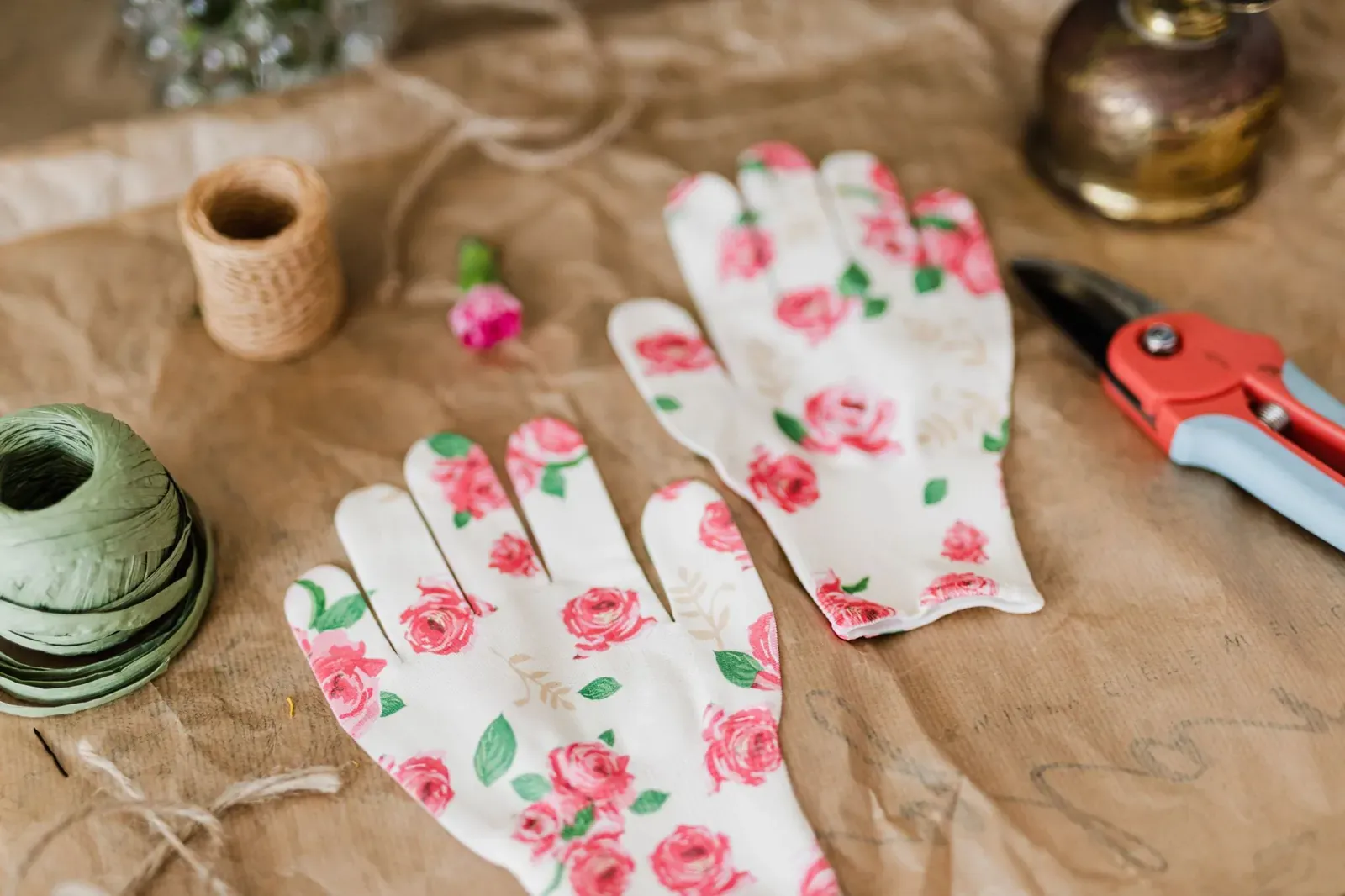
- 13. Gloves that fit
- For small spaces
- 14. Fabric grow bags
- Free gift: a printable chart and a planting calendar for their ZIP
- 15. The PlantAlong companion planting chart
- FAQ
- What do vegetable gardeners actually want as gifts?
- What is a good gift for a gardener who has everything?
- What are good gifts for beginner gardeners?
- Sources
PlantAlong may earn a commission from qualifying purchases. Affiliate disclosure.
The best gifts for vegetable gardeners fit a job they already do: starting seeds in late winter, covering beds on a cold night, checking the soil before sowing. These 15 picks are grouped by that job, and each one says why it helps, with the university extension guidance behind it. The last pick is free.
How we chose these gifts for vegetable gardeners#
Every pick had to pass three checks. It helps with a real task in the vegetable season, it gets used more than once, and the reason it helps comes from a university extension source or a PlantAlong tool, not from a product page.
We link to an Amazon search for each type of item rather than to one listing, and we do not quote prices, ratings or specs. Listings change sellers and go out of stock, but the job stays the same. Compare a few options and read the details on the listing before you buy.
For seed starting#
Seed starting is where gifts for vegetable gardeners get used first, weeks before anything goes in the ground: Clemson Extension sows popular warm-season vegetables 4 to 8 weeks before planting outside. Its seed-starting FAQ lists what it takes: clean containers with drainage, a soilless mix, steady warmth and strong light.
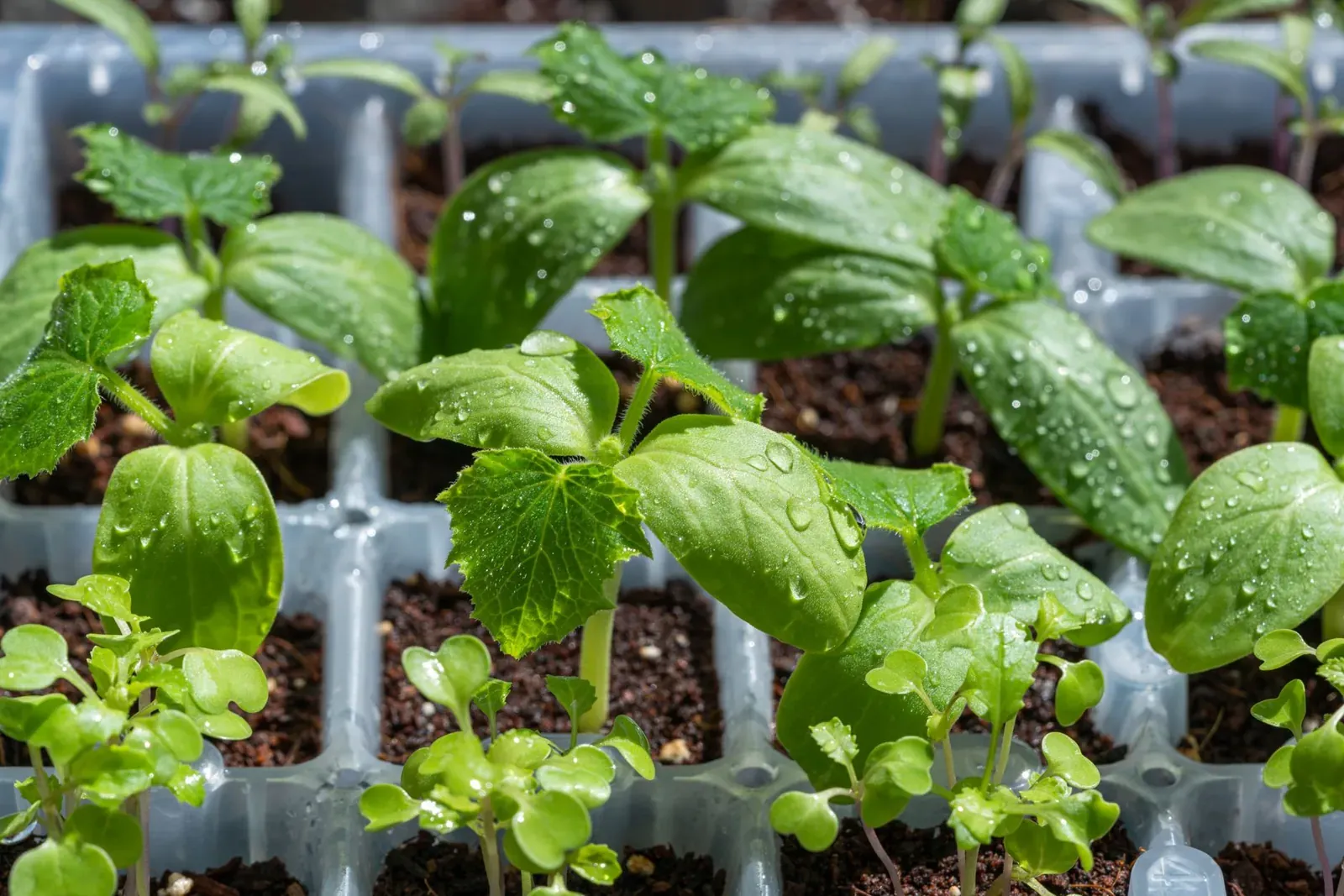 Young cucumber and herb seedlings with water droplets growing in a clear plastic cell tray
Photo: Frank Schrader / Pexels
Timing matters as much as gear. The free PlantAlong planting calendar counts indoor start dates back from the last frost recorded at the weather station nearest their ZIP code, so the gift arrives with a plan.
1. Seed-starting trays with humidity domes#
Clemson says seeds can start in almost any clean container that drains well and is at least 2 inches deep, and suggests plastic flats with drainage holes and cell-pack inserts. A clear cover raises humidity while seeds germinate; Clemson adds that it should come off as soon as the seedlings emerge.
Search seed-starting trays with domes on Amazon
2. A seedling heat mat with a thermostat#
Clemson puts the ideal soil temperature for germination at 65 to 75°F. Colorado State University's planting guide lists an optimum germination temperature of 80°F for tomatoes and peppers, and notes that optimum temperatures are useful for starting seeds indoors. A mat with a thermostat holds the tray at a set temperature instead of leaving it to a cold windowsill.
Search seedling heat mats on Amazon
3. An LED grow light and a plug-in timer#
Clemson warns that light from a window is usually not enough and produces "leggy" seedlings that lean toward the glass. Its guide hangs lights 2 to 4 inches above the seedlings, raises them as the plants grow, and keeps them on 12 to 16 hours a day, with a timer to switch them off each evening.
Clemson's distances were written for fluorescent tubes, so for an LED fixture follow the maker's hanging height. The timer is a small add-on that saves a lot of remembering.
Search LED grow lights on Amazon · Search plug-in timers on Amazon
4. A bag of seed-starting mix#
Clemson says not to start seeds in garden soil, which is heavy and can carry weed seeds and disease. It recommends a soilless mix of sphagnum peat moss, perlite and vermiculite, without large particles like bark or wood chips. A bag tucked in with a tray or a heat mat means the gift is ready to use on day one.
Shop the essentials
What you'll need
Supplies for the steps in this guide.
 Start indoorsSeed-starting trays with lidsCell trays with clear domes for sowing seeds indoors.: check price on Amazon (opens in a new tab)
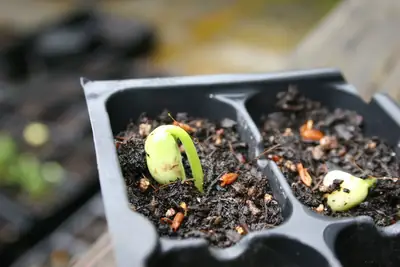 Start indoorsSeedling heat matWarms seed trays from below. Pick one with a thermostat.: check price on Amazon (opens in a new tab)
 Build the bedRaised bed kit, 4 × 8 ftA ready-to-assemble bed frame.: check price on Amazon (opens in a new tab)
 To sowTomato seedsSeed packets from many sellers: compare varieties and days to maturity.: check price on Amazon (opens in a new tab)
As an Amazon Associate I earn from qualifying purchases. Photos show the type of product, not a specific listing. How we choose
For frost and season extension#
Fall frost is when a few pieces of fabric pay for themselves, which makes season-extension gear a smart pick among gifts for vegetable gardeners who grow into autumn. University of Nebraska-Lincoln Extension notes that the first frost usually comes on a cloudless night, and that in Nebraska it is often followed by two to three weeks of warmer weather, so protected plants can keep growing.
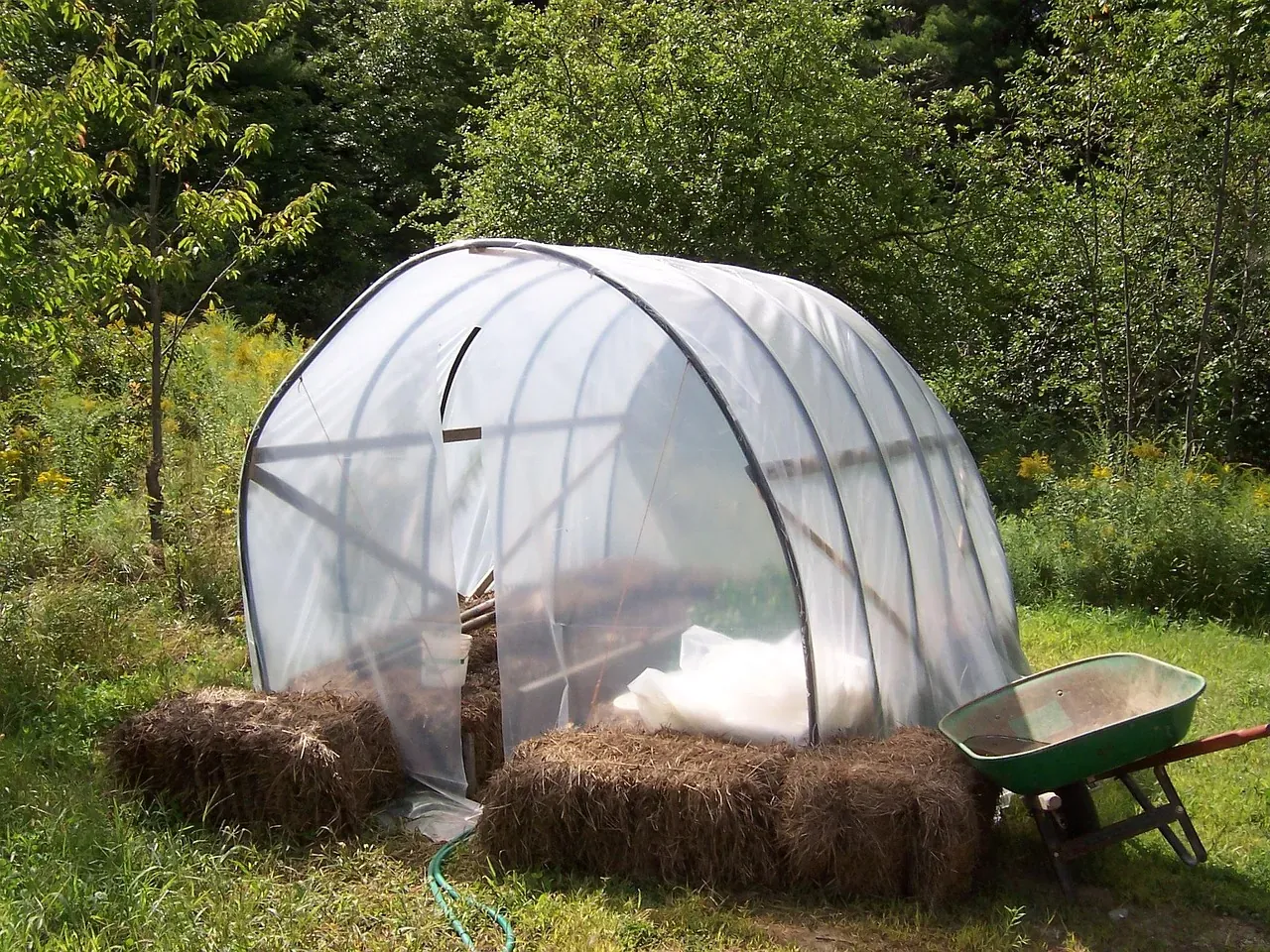 Small plastic-covered hoop house set on straw bales beside a green wheelbarrow in a garden
Photo: stekam / Pixabay
Pair any gift in this group with free PlantAlong frost alerts. They email a reminder ahead of the typical first and last frost dates for a ZIP code. Those dates are long-term averages, not forecasts, so the local forecast still has the final say.
5. Frost cloth#
Nebraska Extension explains that a cover keeps the ground's heat around the plants so they do not freeze, and lists lightweight blankets, sheets and floating row covers among the options. It says to uncover the plants after the temperature rises above 32°F. Our guide on how to cover plants from frost walks through the steps.
6. Garden hoops for a low tunnel#
Purdue Extension advises supporting covers with stakes or wire so the fabric does not injure the plants. Penn State Extension describes low tunnels as hoops that protect plants from insects, physical damage and low temperatures, covered with row-cover fabric in fall and spring. A set of hoops turns a length of frost cloth into a tunnel that stays up all season.
7. A cold frame#
Purdue notes that planting in a coldframe or hotbed extends the season even further than covers. Penn State explains the difference: a cold frame uses only sunlight to moderate the temperature inside, while a hot bed adds heat from an electric heat mat or another source. Kits suit gardeners who would rather not build one.
For soil and beds#
Soil gear makes practical gifts for vegetable gardeners who are building new beds or refilling old ones. It also fixes the most common timing mistake: sowing into soil that is still too cold.
8. A soil thermometer#
This is the most useful small gift on the list. Colorado State calls soil temperature one of the best methods to determine spring planting time, and says to plant when the soil reaches each crop's minimum, measured at 8 a.m. at 4 inches deep (6 inches for beans).
| Crop | Minimum soil temperature to plant (Colorado State) |
|---|---|
| Lettuce (leaf types) | 35°F |
| Peas | 40°F |
| Carrots | 40°F |
| Tomatoes | 50°F |
| Snap beans | 55°F |
| Cucumbers | 60°F |
| Peppers | 60°F |
Search soil thermometers on Amazon
9. Raised bed soil, sized with a calculator#
Bagged soil is a heavy, unglamorous gift that a gardener with new beds will use. Before buying, put the bed's size into the raised bed soil calculator. It works out the volume and the number of bags from the cubic feet on the label; a 4 by 8 foot bed filled 10 inches deep takes 26.7 cubic feet.
University of Maryland Extension suggests filling a bed on a lawn with compost and a soilless growing mix in a 1:1 ratio. It also notes that peat and coir products repel water and should be moistened before they go in. Bag sizes vary by product, so check the label.
Search raised bed soil on Amazon · Search bagged compost on Amazon
10. A rain gauge#
Purdue's fall-garden guide calls for 1 inch of water in a single application each week to moisten the soil thoroughly, and says young seedlings may need water more often in their first week or two. A rain gauge in the bed shows how much of that inch the weather already supplied.
Tools they will reach for#
Hand tools are the classic gifts for vegetable gardeners, and the good ones come out on every trip to the garden. No extension research ranks tool brands, so these are described by the job they do.
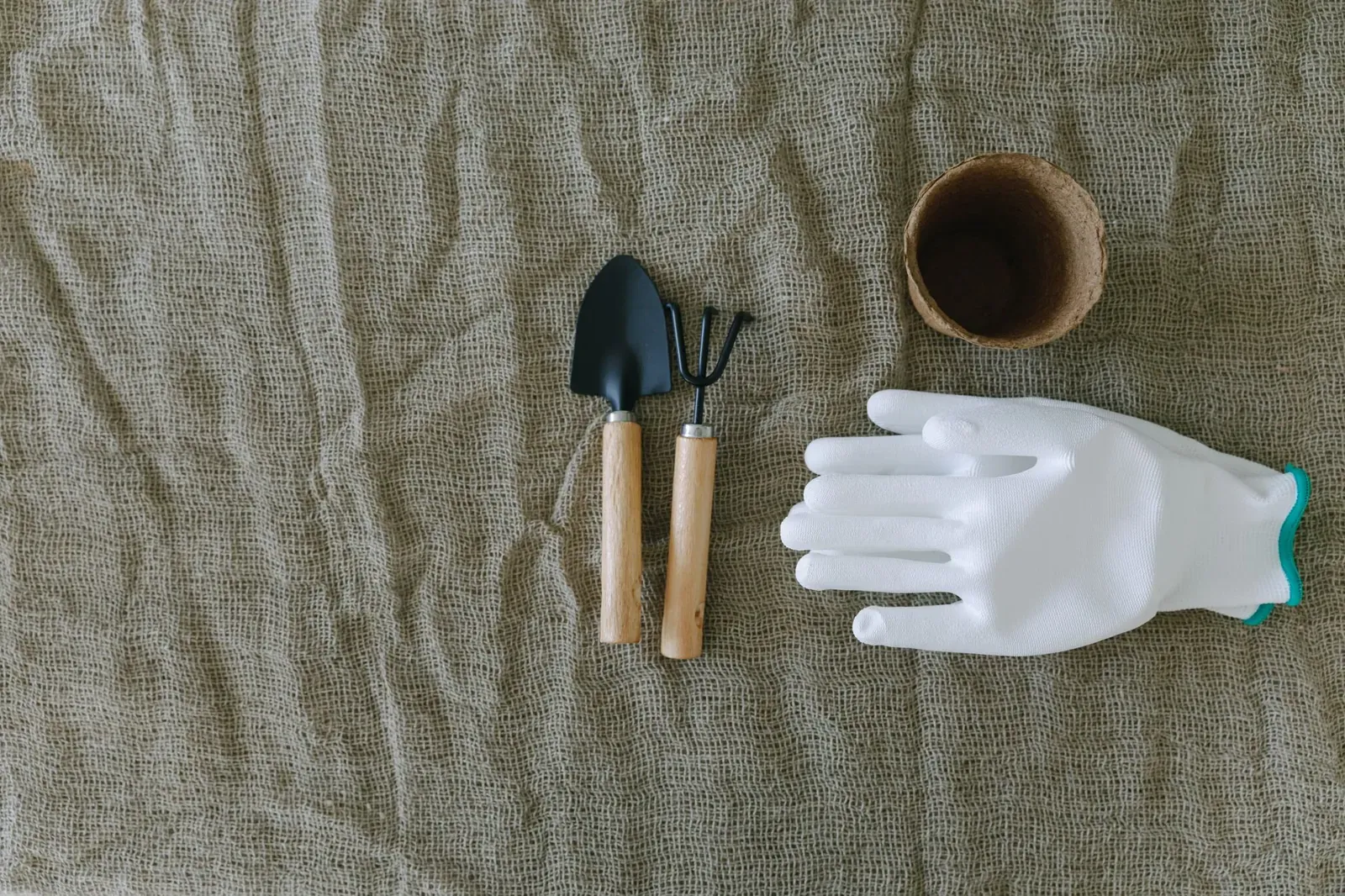 Small hand trowel, cultivator, white garden glove and a fiber pot on burlap
Photo: Thirdman / Pexels
11. A hori-hori garden knife#
A hori-hori is a Japanese-style garden knife. Gardeners use it to dig planting holes, pry out weeds between rows and cut twine, so it often replaces a trowel for small jobs in a crowded bed.
Search hori-hori knives on Amazon
12. Bypass pruners or harvest snips#
A sharp pair of pruners makes clean cuts when picking peppers, cucumbers and herbs, and makes quick work of clearing spent plants at the end of the season. Snips with narrow blades fit between crowded stems.
Search bypass pruners on Amazon
13. Gloves that fit#
Garden gloves wear out, so a new pair is always welcome. Size matters more than style: gloves that fit are gloves that stay on. If you do not know their size, a gift receipt helps.
For small spaces#
Gifts for vegetable gardeners with little room should make the most of a patio, balcony or driveway.
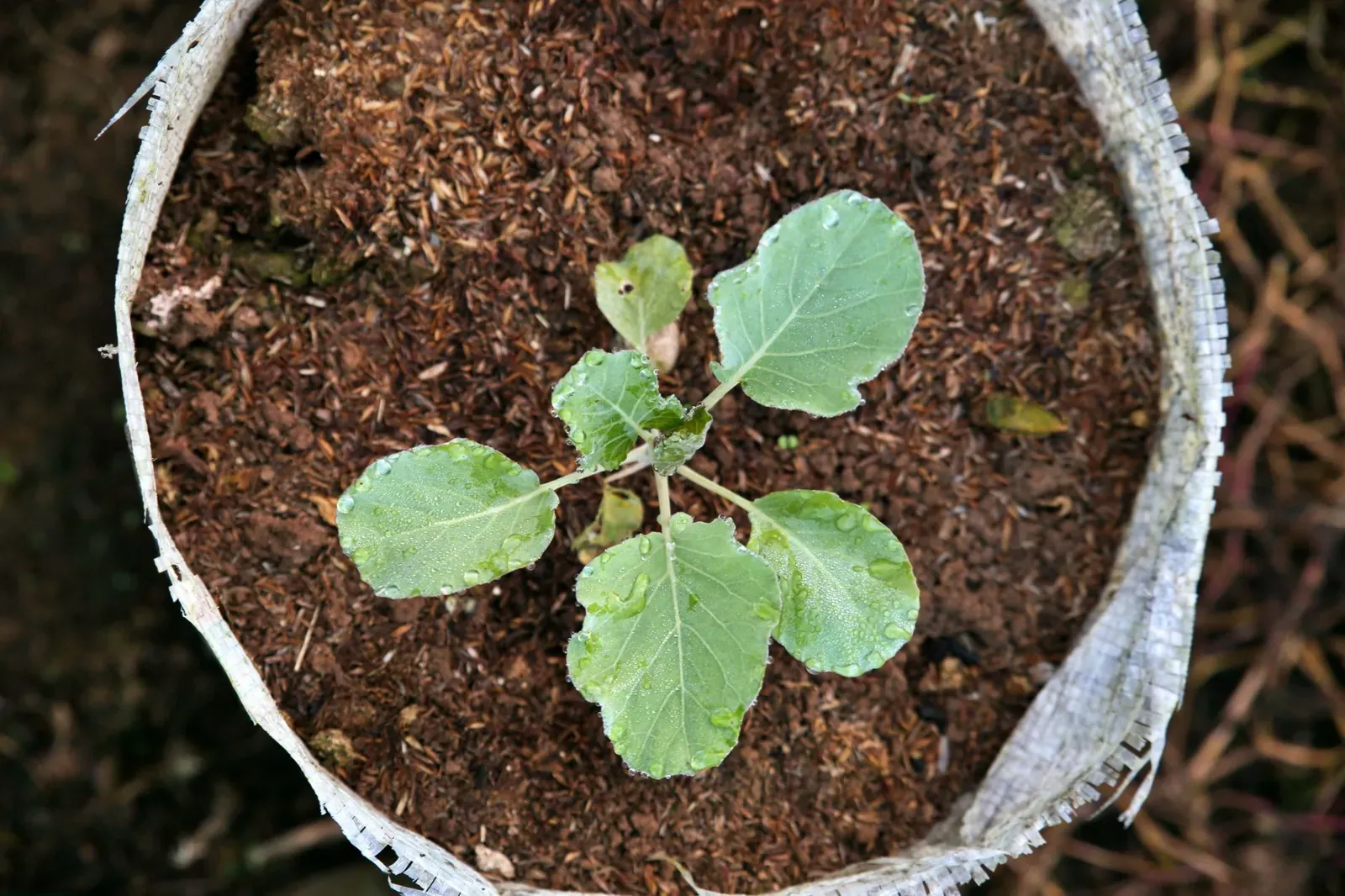 Young cabbage-family seedling growing in a grow bag filled with dark potting mix
Photo: Heru Dharma / Pexels
14. Fabric grow bags#
University of Maryland Extension's Project Spudnik grows potatoes in 12-gallon fabric grow bags, 16 inches deep and 16 inches across, in a spot with 8 hours or more of sun. The same program grows tomatoes, peppers, beans, eggplant, carrots, cabbages and greens in about 100 fabric bags of 10 to 20 gallons. A few bags let a gardener with only a patio or a paved yard grow food.
Free gift: a printable chart and a planting calendar for their ZIP#
15. The PlantAlong companion planting chart#
The free printable companion planting chart shows which vegetables help or hinder each other, and marks how strong the evidence is for each pairing: tested in a study, extension guidance, or tradition only. Print it, roll it up with a ribbon, and add it to any gift above. It is the one item among these gifts for vegetable gardeners that costs nothing.
For dates, the frost alerts signup also sends a free printable planting calendar for their ZIP code as a PDF: frost dates, then when to start, plant and harvest each crop, with the sources listed. Setting it up takes an email address and a ZIP code.
FAQ#
What do vegetable gardeners actually want as gifts?#
The most useful gifts for vegetable gardeners are things they will use on a real garden job, more than once. Consumables such as seed-starting mix and bagged compost always get used, and so do tools that solve a specific problem, like a soil thermometer for timing spring sowing or frost cloth for a cold fall night.
What is a good gift for a gardener who has everything?#
Try something that extends their season. Purdue Extension notes that a coldframe or hotbed extends the season further than covers alone, and Penn State describes low tunnels on hoops as protection from insects, physical damage and low temperatures. Consumables that run out, like gloves and seed-starting mix, are also safe gifts for vegetable gardeners who own every tool.
What are good gifts for beginner gardeners?#
The best gifts for vegetable gardeners who are just starting answer "when" and "where": a soil thermometer, a few fabric grow bags and the free companion chart. Then show them the planting calendar for their ZIP code, which turns their local frost dates into sowing and transplant dates for common vegetables.
Sources#
- FAQs about Starting Vegetable Seeds Indoors (Clemson Cooperative Extension, Home & Garden Information Center)
- Vegetable Planting Guide, CMG GardenNotes #720 (Colorado State University Extension)
- Fall Vegetable Gardening, NebGuide G1343 (University of Nebraska-Lincoln Extension)
- The Fall Vegetable Garden, HO-66-W (Purdue Extension)
- Season Extenders and Growing Fall Vegetables (Penn State Extension)
- Filling your raised bed (University of Maryland Extension, Home and Garden Information Center)
- Potatoes Grow in Bags at Project Spudnik (University of Maryland Extension, Home and Garden Information Center)
Featured photo: https://kaboompics.com/ / Pexels.


Check your inbox
We sent a confirmation link to . Click it and your planting calendar PDF is on its way. Nothing there in a few minutes? Check your spam or promotions folder.
Crops in this article

No comments yet. Tried this in your garden, or found a date that worked better? Start the thread.
Leave a comment