 PlantAlong
In short
- Colorado State, Utah State, Purdue and Nebraska all class cabbage, broccoli and turnips as hardy, and beets, Swiss chard and potatoes as semi-hardy.
- Nebraska Extension says semi-hardy vegetables can stand a light frost of 30-32°F, and hardy vegetables are killed when temperatures drop near 20°F.
- Illinois Extension lists broccoli, spinach, Brussels sprouts, kohlrabi, kale, turnips and garlic among crops that handle a frost below 28°F.
- Colorado State plants hardy vegetables as early as 2-4 weeks before the average last spring frost, and semi-hardy ones 0-2 weeks before.
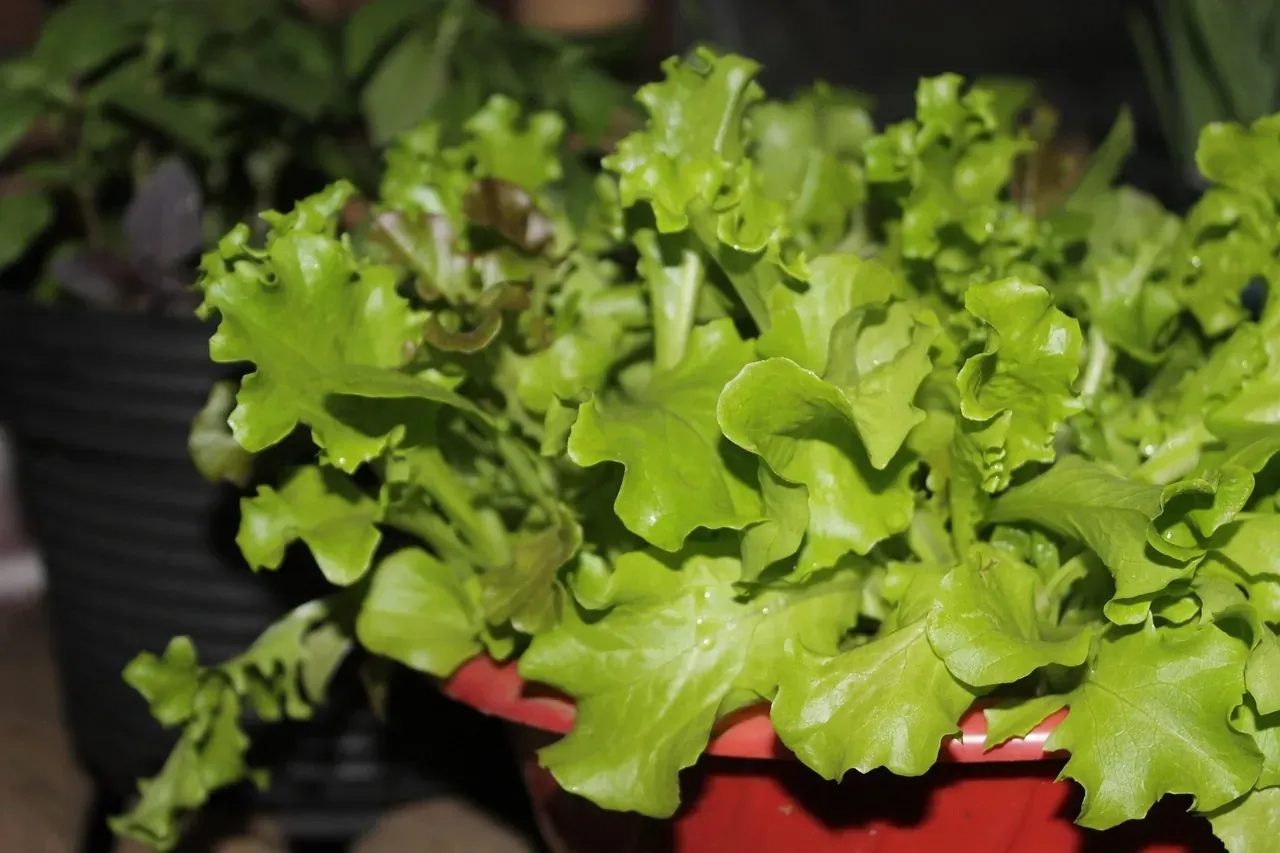
- Lettuce is hardy to Colorado State but semi-hardy to Utah State, Purdue and Nebraska; Iowa State says it recovers from minor frost damage within 7 to 14 days.
- Penn State Extension says carrots, turnips, rutabagas and beets get sweeter with frost as the plants convert starch to sugar.
On this page
- Quick list of cold hardy vegetables
- Hardy vs semi-hardy vs tender: what extension guides mean
- Cold hardy vegetables by frost class
- How cold is too cold: light vs hard frost
- Planting cold hardy vegetables: weeks before last frost
- Extending the season: covers and cold frames
- What does not survive frost
- FAQ
- What vegetables can survive a hard frost?
- What is the difference between frost hardy and frost tolerant?
- Can lettuce survive frost?
- Which vegetables taste better after frost?
- Sources
Cold hardy vegetables include cabbage, broccoli, Brussels sprouts, kale, kohlrabi, turnips and peas, which university extension guides class as hardy: they can take a hard frost. Beets, carrots, Swiss chard, parsnips and potatoes are semi-hardy and handle a light frost. The table below shows how four extension services class each crop, with the temperatures they give.
Quick list of cold hardy vegetables#
This list of cold hardy vegetables comes from four extension guides: Colorado State University (CSU), Utah State University (USU), Purdue and the University of Nebraska-Lincoln (UNL). Where they disagree, we say so.
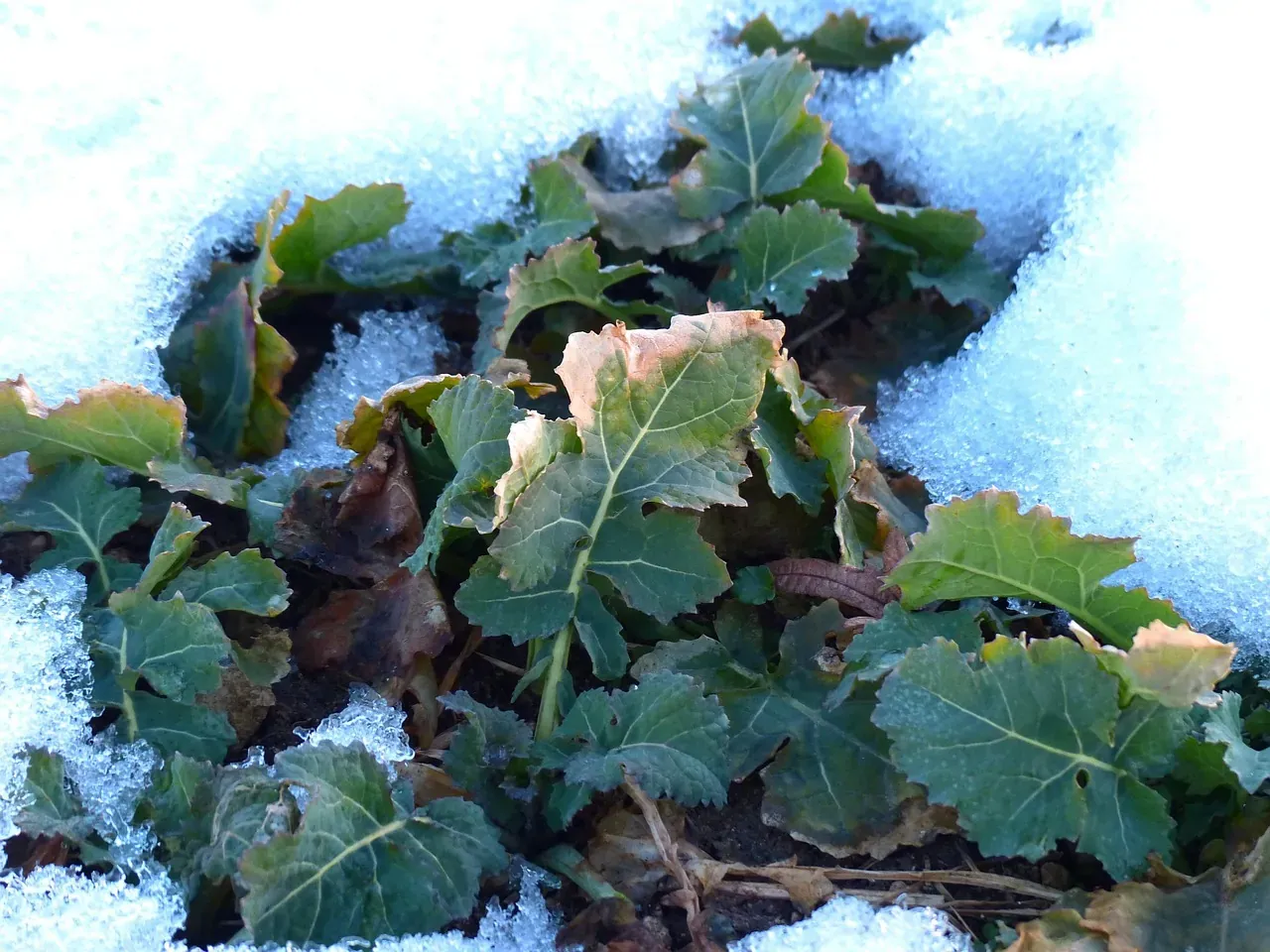 Leafy winter cabbage-family greens, a few leaves browned at the edges, surrounded by snow
Photo: Hans / Pixabay
- Hardy in every guide that lists them: cabbage, broccoli, Brussels sprouts, kale, kohlrabi, turnips and peas.
- Hardy in most guides, semi-hardy in Nebraska's: spinach, radishes, collards and onions (Nebraska lists only green onions).
- Semi-hardy (light frost): beets, Swiss chard, parsnips and potatoes in every guide; carrots and cauliflower too, except in Nebraska's guide, which calls them hardy.
- Split: lettuce is hardy to Colorado State and semi-hardy to the other three.
- Garlic: none of the four classes it, but University of Illinois Extension lists garlic among crops that handle a harder frost, below 28°F.
Hardy vs semi-hardy vs tender: what extension guides mean#
Each guide uses the same three or four words, but each defines them a little differently. Here is what they say, quoted.
- Colorado State: hardy vegetables "grow with daytime temperatures as low as 40°F and may survive a frosty nip." Semi-hardy vegetables "grow with minimum daytime temperatures of 40°F to 50°F but are less tolerant of a frosty night." Tender vegetables "are intolerant of frost," and very tender ones are "not only intolerant of frost, but also cool spring winds."
- Purdue: "Hardy vegetables (tolerate hard frost)," "Semi-hardy vegetables (tolerate light frost)" and "Tender vegetables (damaged by light frost)."
- Nebraska: "Semi-hardy vegetables (can stand light frost, 30-32°F)" and "Hardy vegetables (can stand several frosts but are killed when temperatures drop near 20°F)."
- Utah State: groups crops by planting time instead. Group A, hardy: "Plant as soon as the soil dries out in the spring." Group B, semi-hardy: "about 2 weeks before average last spring frost."
So "hardy" means a crop that takes a hard frost, and "semi-hardy" means one that takes a light frost but not much more. Tender crops take none.
Shop the essentials
What you'll need
Supplies for the steps in this guide.
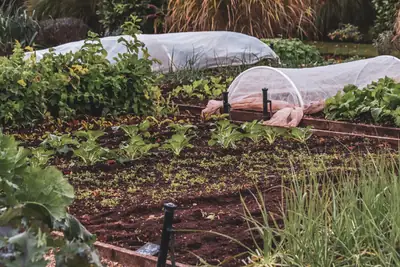
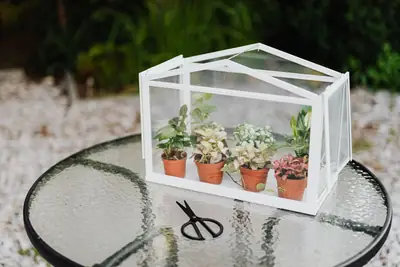 Extend the seasonCold frameA clear-lidded box that shelters young plants from cold.: check price on Amazon (opens in a new tab)
 Cold nightsFrost clothLightweight fabric to throw over plants on a cold night.: check price on Amazon (opens in a new tab)
 After plantingStraw mulchStraw for covering beds after planting.: check price on Amazon (opens in a new tab)
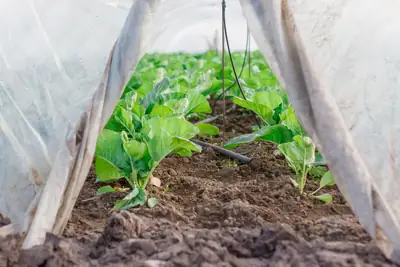 Cold nightsRow cover hoopsHoops that hold frost cloth above a bed like a low tunnel.: check price on Amazon (opens in a new tab)
As an Amazon Associate I earn from qualifying purchases. Photos show the type of product, not a specific listing. How we choose
Cold hardy vegetables by frost class#
Here are the cold hardy vegetables side by side. H = hardy, S = semi-hardy, a dash = not listed in that guide. USU classes some crops as transplants ("plants") rather than seed.
| Crop | CSU | USU | Purdue | UNL |
|---|---|---|---|---|
| Cabbage | H | H (plants) | H | H |
| Broccoli | H | H (plants) | H | H |
| Brussels sprouts | - | H (plants) | H | H |
| Kale | - | - | H | H |
| Kohlrabi | H | H | H | - |
| Turnips | H | H | H | H |
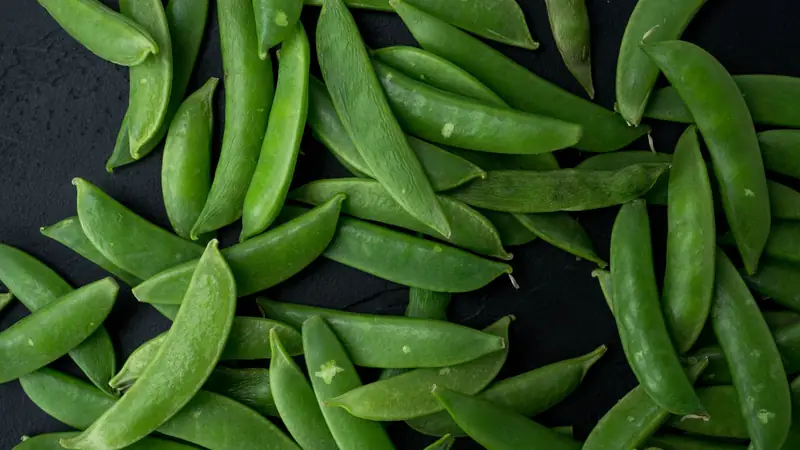
| Peas | H | H | H | - |
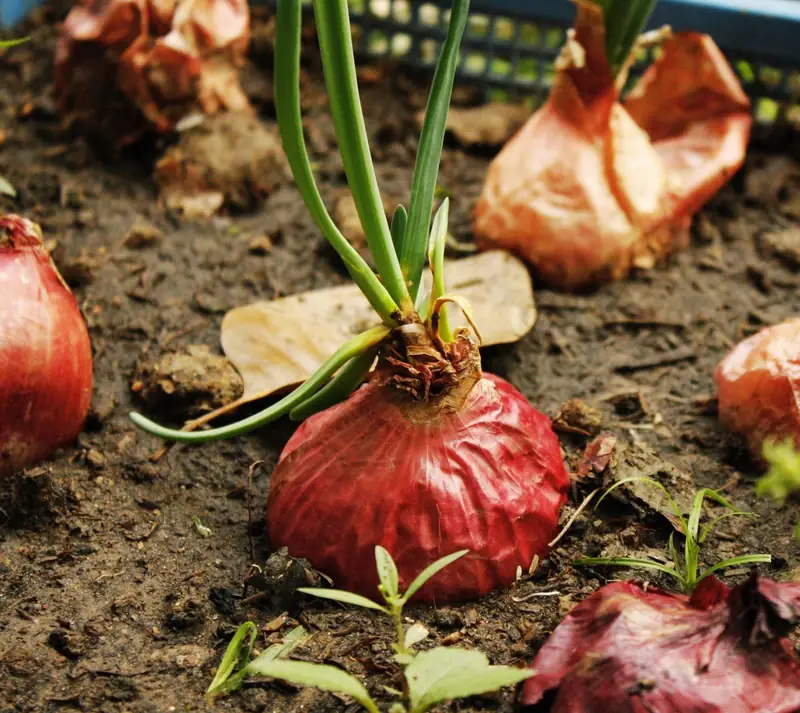
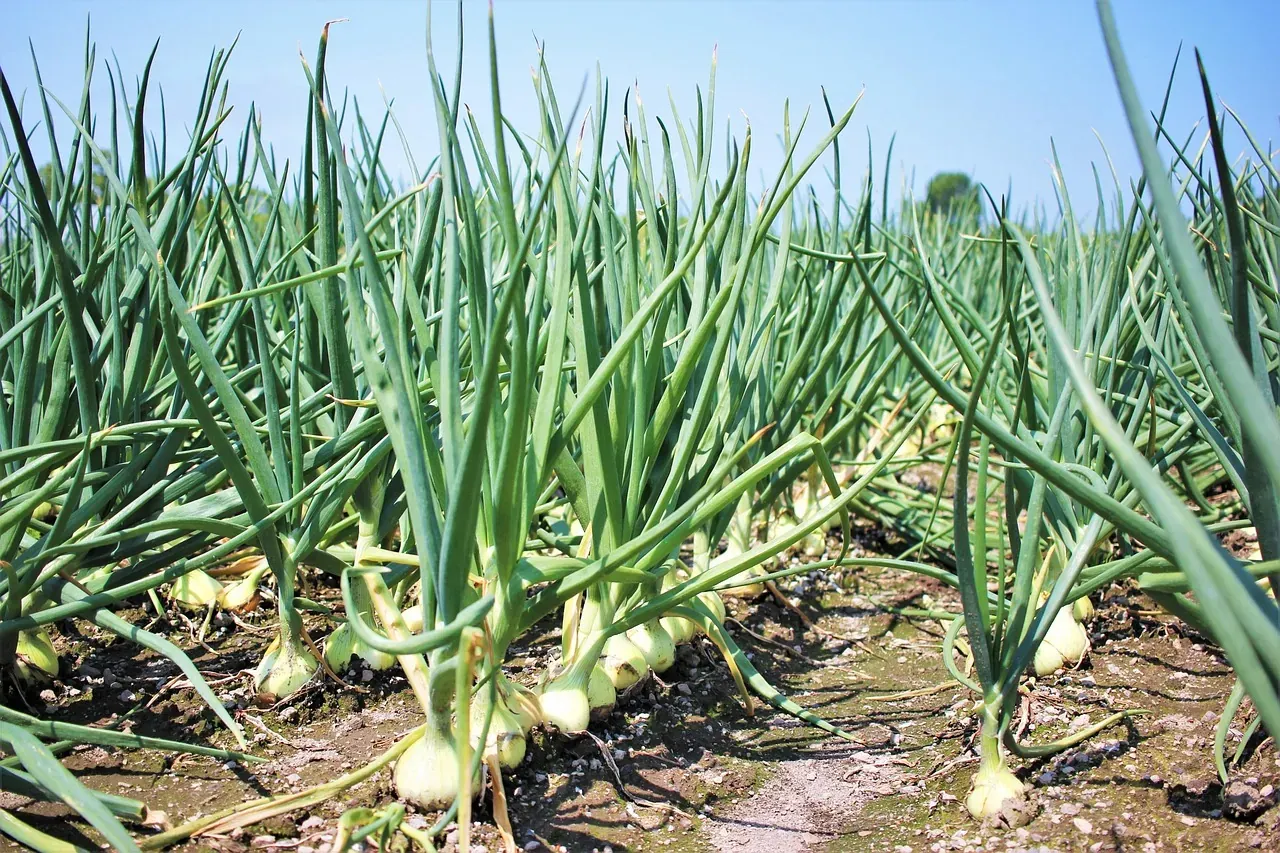
| Onions | H | H | H | S (green onions) |
| Spinach | H | see note | H | S |
| Radishes | H | H | H | S |
| Collards | - | - | H | S |
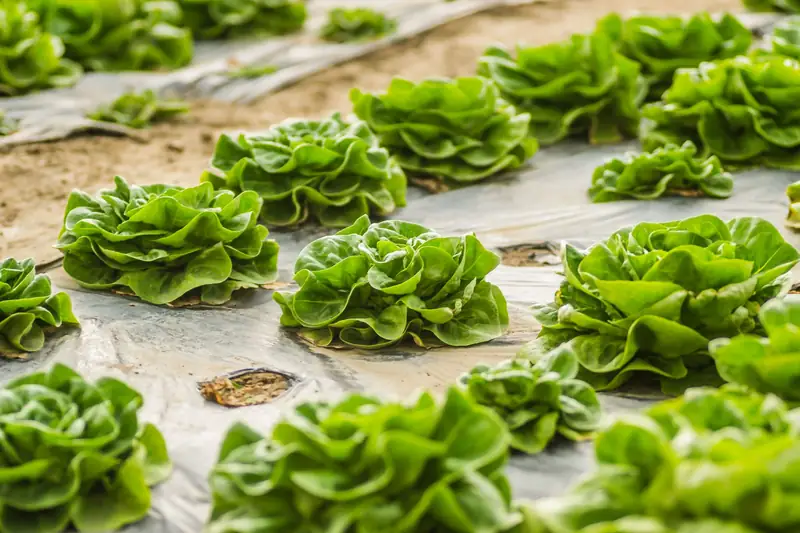
| Lettuce | H | S | S | S (Bibb, leaf) |
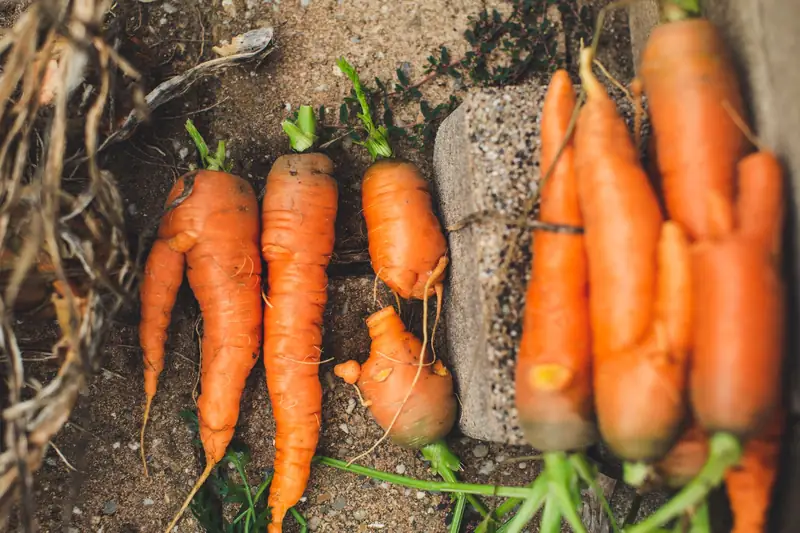
| Carrots | S | S | S | H |
| Cauliflower | S | S (plants) | S | H |
| Beets | S | S | S | S |
| Swiss chard | S | S | S | S |
| Parsnips | S | S | S | - |
| Potatoes | S | S | S | S |
Notes on the table: Utah State lists spinach seed under both its hardy Group A and its tender Group C, so we left that cell open. Iowa State Extension goes further than the others on beets, grouping them with spinach, collards, kale, carrots, cabbage and Brussels sprouts as "very hardy." PlantAlong's crop pages for lettuce, peas, onions, carrots and potatoes show these classes with each source's wording; see all crops.
How cold is too cold: light vs hard frost#
Not all cold hardy vegetables take the same cold. A light frost sits near 32°F; a hard frost is colder, and the extension guides put numbers on the difference.
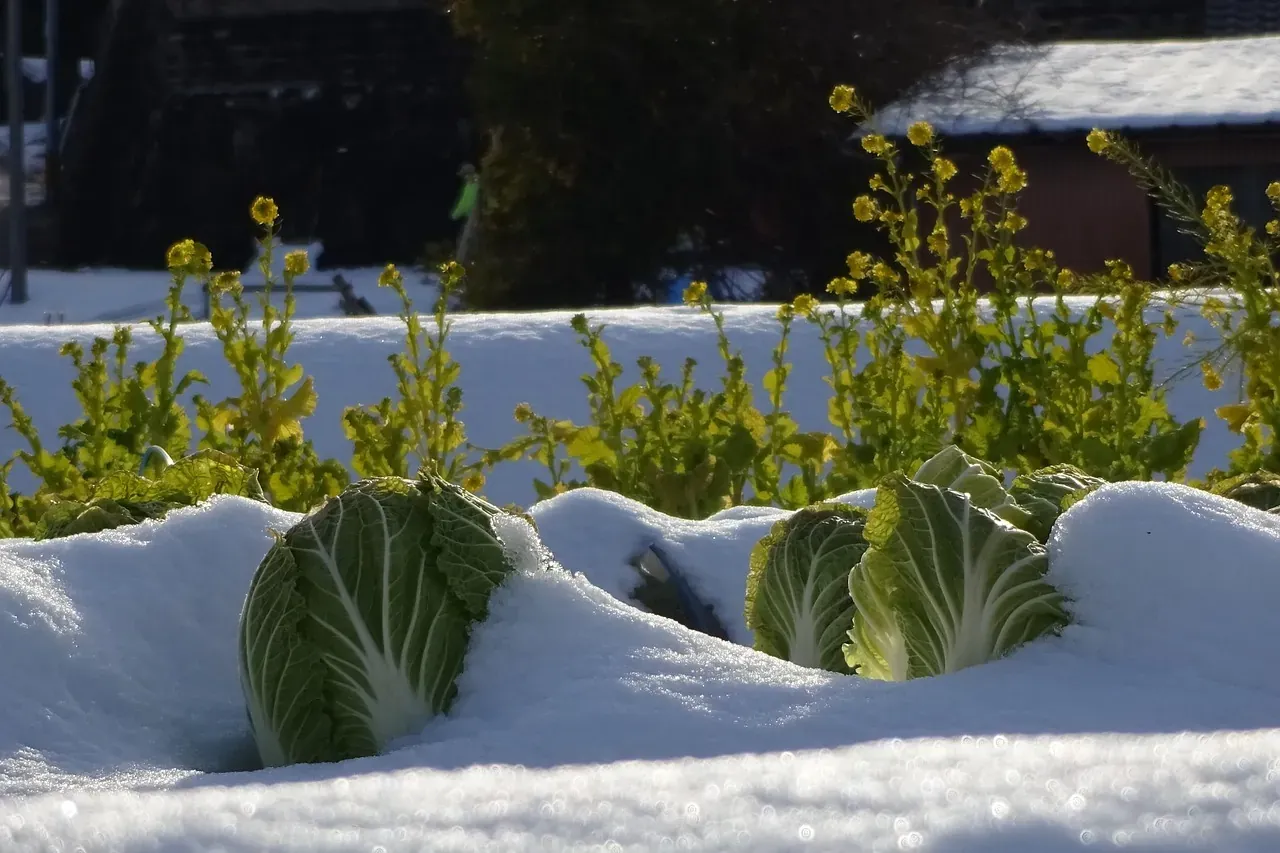 Heads of Chinese cabbage poking through deep snow in a garden row
Photo: Luster2739 / Pixabay
Here is what each source says:
- Illinois Extension: beets, carrots, radishes, cabbage plants, cauliflower, lettuce and onions "can handle a light frost as they are frost tolerant (28 to 32°F)." Broccoli, spinach, arugula, Brussels sprouts, kohlrabi, kale, turnips, garlic and some onions "can handle a harder frost (below 28°F)."
- Iowa State Extension: cool-season vegetables "will tolerate temperatures below freezing down to 28-26°F with little or no damage." Radish, lettuce, chard and onion take minor damage below 32°F but "will readily recover within 7 to 14 days."
- Nebraska Extension: hardy vegetables "will continue to grow until temperatures drop to about 20°F."
- Penn State Extension: collards beat kale for freeze tolerance; when some kale varieties are wilted and brown, collards "continue to hold."
The air temperature in a forecast is not the temperature at leaf level. Iowa State notes that frost "may occur at temperatures below 36°F," and our post on what temperature frost occurs explains why. PlantAlong's frost dates use NOAA's 32°F threshold, as described in our methodology.
Planting cold hardy vegetables: weeks before last frost#
The payoff of cold hardy vegetables is an early start. Colorado State says hardy crops can go in "as early as 2-4 weeks before the date of the average last spring frost," and semi-hardy crops "as early as 0-2 weeks before." Utah State plants its hardy group as soon as the soil dries out and its semi-hardy group about 2 weeks before the average last frost.
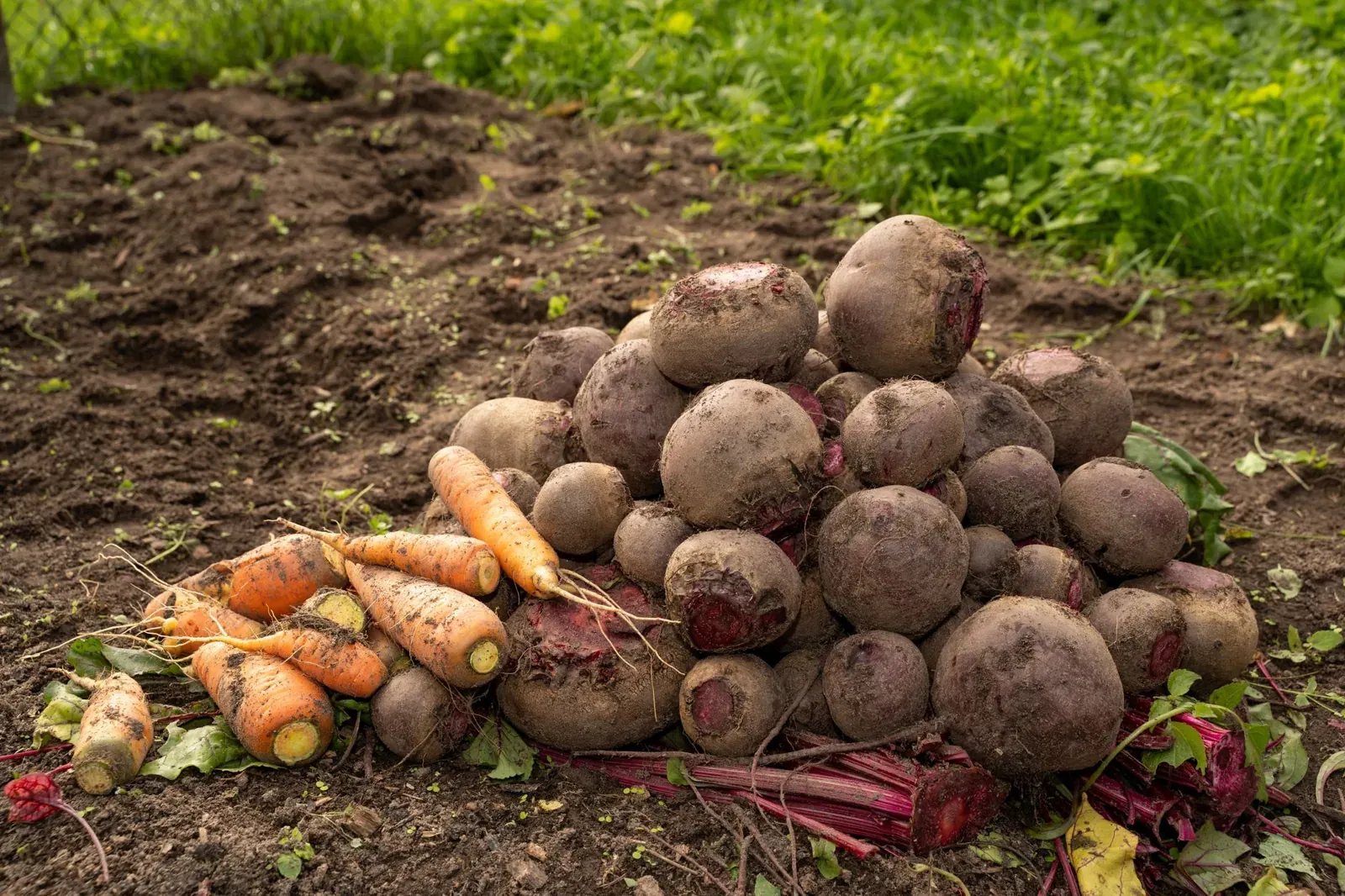 Freshly dug beets and carrots piled on bare garden soil beside green grass
Photo: Vilnis Husko / Pexels
What that means on the calendar depends on the ZIP code, not just the zone. In a PlantAlong analysis of NOAA 1991-2020 climate normals, the median last frost across most zone 6a ZIP codes runs from April 16 to May 10. Colorado State's 2-4 week rule then gives planting windows from as early as March 19 (4 weeks before an April 16 frost) to as late as April 26 (2 weeks before a May 10 frost), depending on the ZIP. In zone 7b, where last frost runs March 30 to April 17, the same arithmetic gives March 2 to April 3.
Fall works the other way, counting back from the first frost. Purdue's fall guide gives last feasible planting dates for Indiana, such as August 5 for kale from seed and August 25 for spinach, both in northern Indiana. Nebraska's guide adds a "Fall Factor (about 14 days)" to days to maturity for slower growth in cool weather, plus a 14-day "Frost Tender Factor" only for frost-sensitive crops.
The PlantAlong planting calendar applies these rules to the frost dates of the weather station nearest your ZIP code.
Extending the season: covers and cold frames#
Even cold hardy vegetables last longer with a little help. Nebraska Extension explains that covering plants "keeps the ground heat around the plants so they do not freeze," and says to uncover them after the temperature rises above 32°F. Our guide on how to cover plants from frost covers materials and timing.
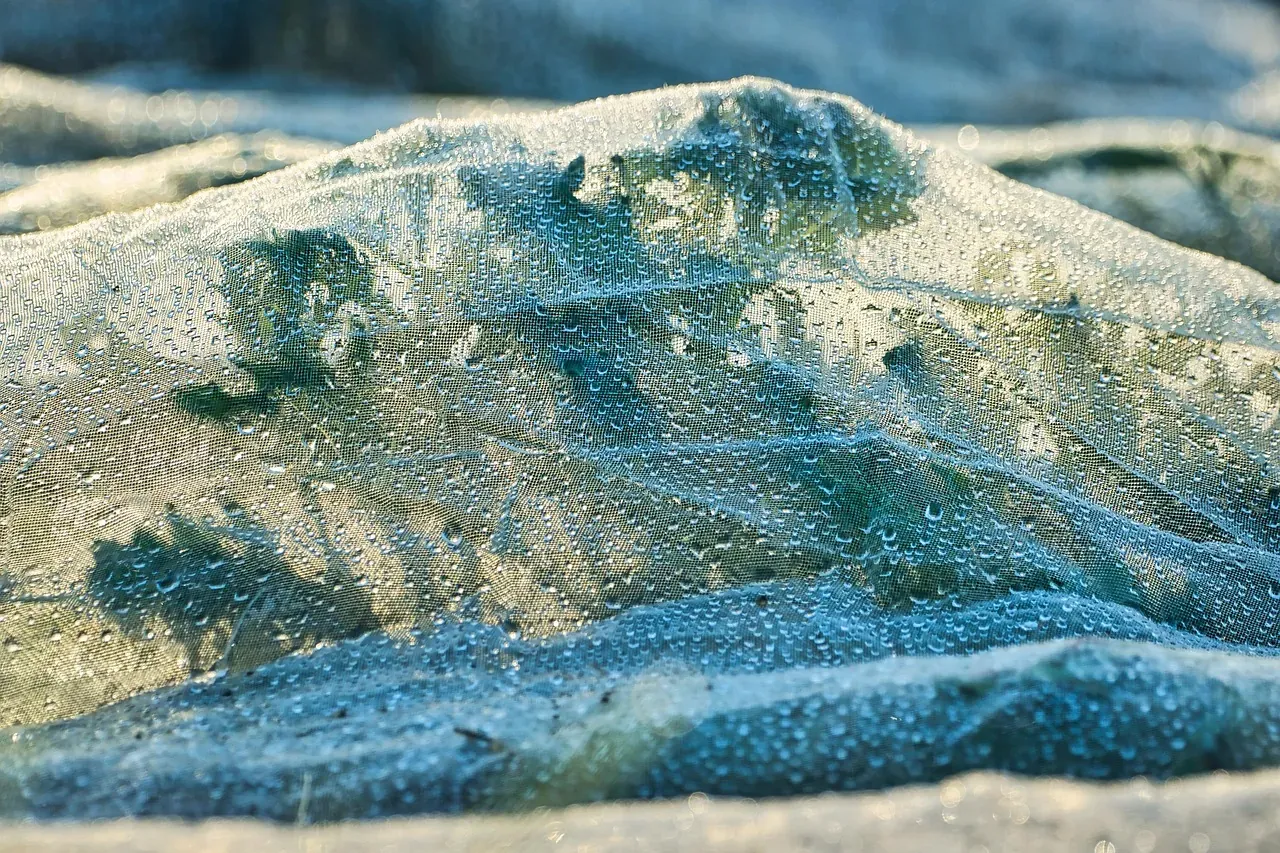 Garden fleece draped over plants, beaded with water droplets in morning light
Photo: Nordseher / Pixabay
- Row covers: Illinois Extension says cabbage, broccoli, lettuce and Brussels sprouts "work well under row covers for the remainder of fall."
- Cold frames: Purdue notes that a coldframe or hotbed extends the season further. Penn State explains that a cold frame "uses only sunlight to moderate the interior temperature."
- Straw over root crops: Nebraska says beets, carrots, parsnips, rutabagas and turnips can stay in the ground through fall. Once hard freezes come, a heavy layer of straw keeps the ground from freezing so roots can be dug through winter.
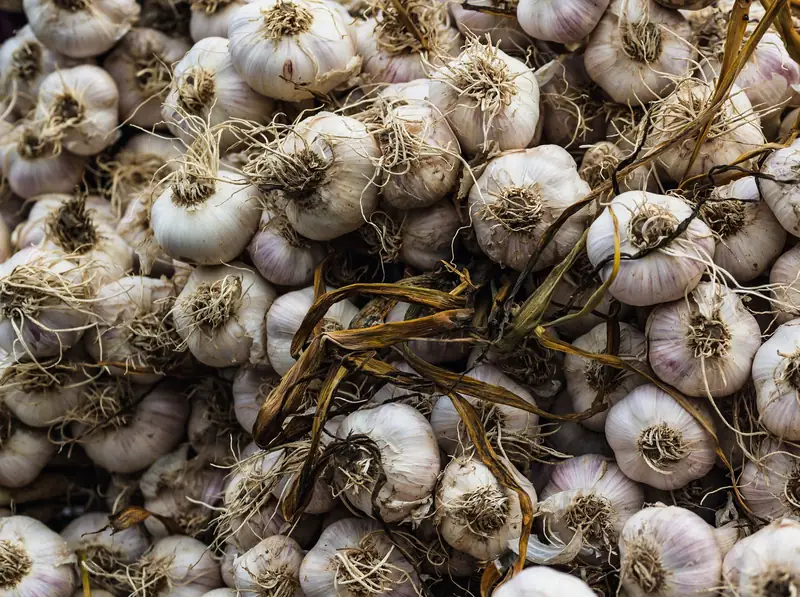
- Garlic: Wisconsin Extension warns that "cloves planted too shallow are prone to injury during the winter and early spring." Our guide covers how deep to plant garlic.
What does not survive frost#
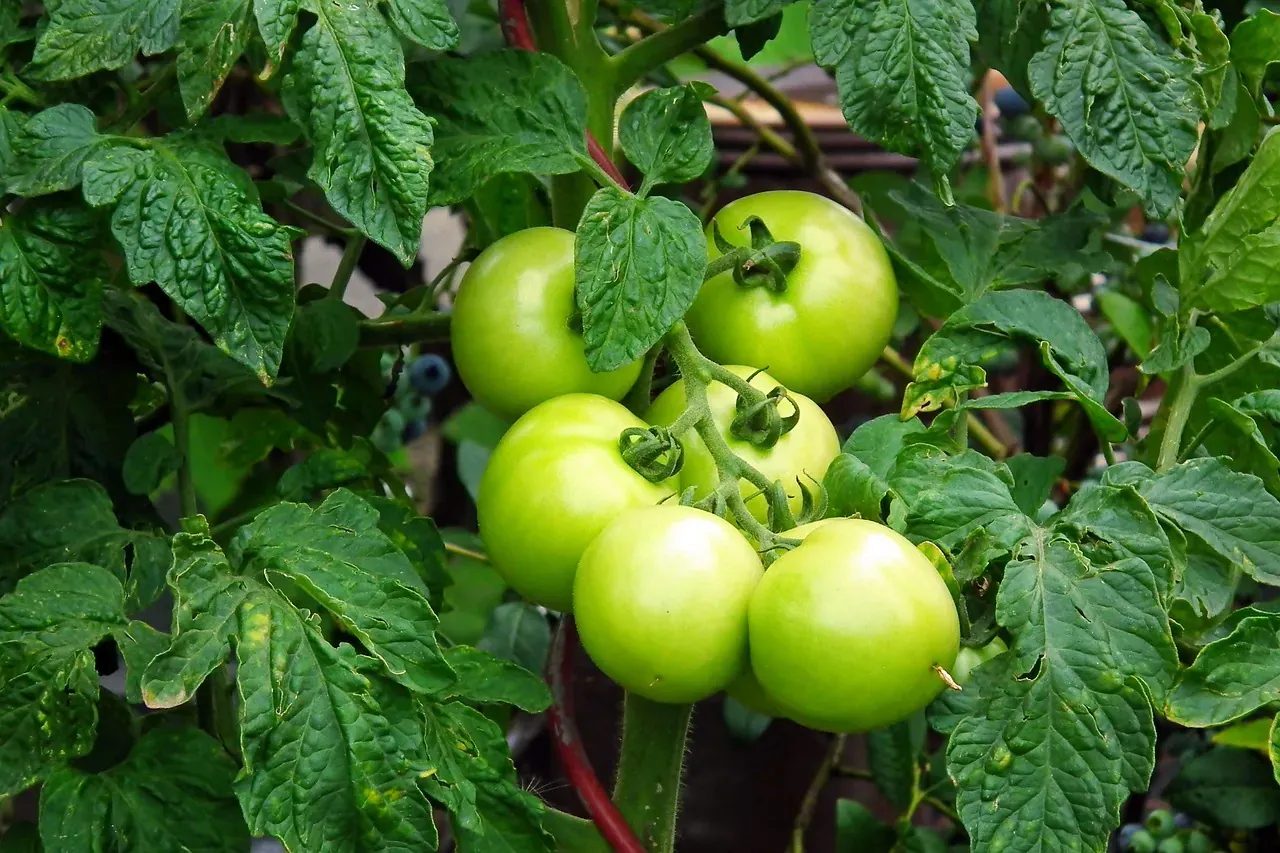
Warm-season crops are the opposite of cold hardy vegetables. Colorado State lists beans, celery, corn, cucumbers, New Zealand spinach and summer squash as tender, and lima beans, cantaloupe, eggplant, pepper, pumpkin, winter squash, tomato and watermelon as very tender. Purdue's tender column, "damaged by light frost," adds okra and sweet potato. Illinois Extension calls basil "a tender annual."
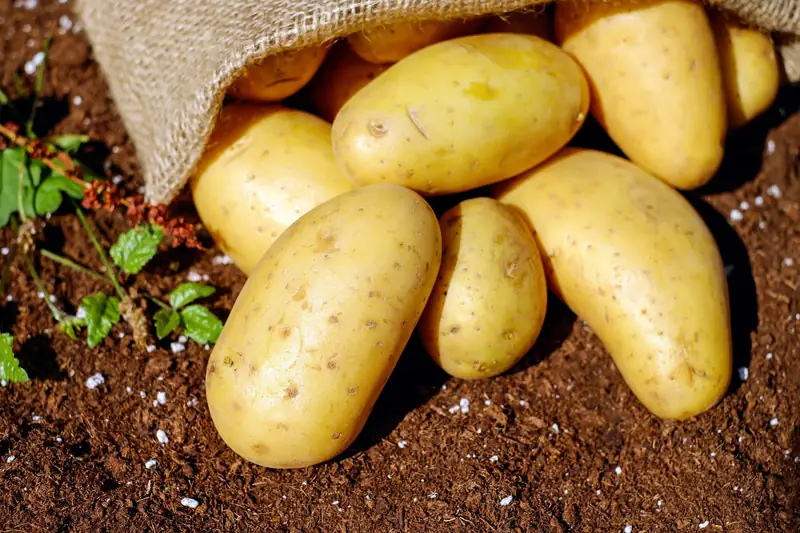
Potatoes sit in between. They are semi-hardy in all four guides, and Iowa State says freezing temperatures below 32°F damage potato shoots, but damaged plants "will send up new growth within 10 to 14 days."
FAQ#
What vegetables can survive a hard frost?#
By Purdue's list, the cold hardy vegetables that take a hard frost are broccoli, Brussels sprouts, cabbage, collards, kale, kohlrabi, mustard greens, onion, parsley, peas, radish, spinach and turnip, which "tolerate hard frost." Illinois Extension adds arugula and garlic to the crops that handle a frost below 28°F. Nebraska says its hardy group is killed when temperatures drop near 20°F.
What is the difference between frost hardy and frost tolerant?#
Illinois Extension uses "frost tolerant" for crops that handle a light frost of 28 to 32°F, such as beets, carrots and lettuce, and frost hardy for crops that handle a harder frost below 28°F, such as kale, spinach and Brussels sprouts. Purdue makes the same split with the words semi-hardy and hardy.
Can lettuce survive frost?#
Usually a light one. Utah State, Purdue and Nebraska class lettuce as semi-hardy, and Nebraska gives that group 30-32°F; Colorado State calls it hardy. Iowa State says lettuce takes minor damage below 32°F and recovers within 7 to 14 days.
Which vegetables taste better after frost?#
Penn State Extension says carrots, turnips, rutabagas and beets "get sweet with frost," along with Brussels sprouts, broccoli, kale and most leafy greens, because the plants convert starch to sugar as temperatures drop. Illinois Extension says parsnip flavor is not fully developed until the roots have had 2 to 4 weeks of near-freezing temperatures.
Sources#
- Vegetable Planting Guide, CMG GardenNotes #720 (Colorado State University Extension)
- Suggested Vegetable Planting Dates for Utah (Utah State University Extension)
- The Fall Vegetable Garden, HO-66-W (Purdue Extension)
- Fall Vegetable Gardening, NebGuide G1343 (University of Nebraska-Lincoln Extension)
- Frost is near! Tips on how to extend the season (University of Illinois Extension)
- Cold and Freeze Damage to Garden Plants (Iowa State University Extension and Outreach)
- Season Extenders and Growing Fall Vegetables (Penn State Extension)
- Parsnip (University of Illinois Extension)
- Basil (University of Illinois Extension)
- Garlic, Allium sativum (University of Wisconsin-Madison Division of Extension)
- PlantAlong analysis of NOAA 1991-2020 climate normals (methodology)
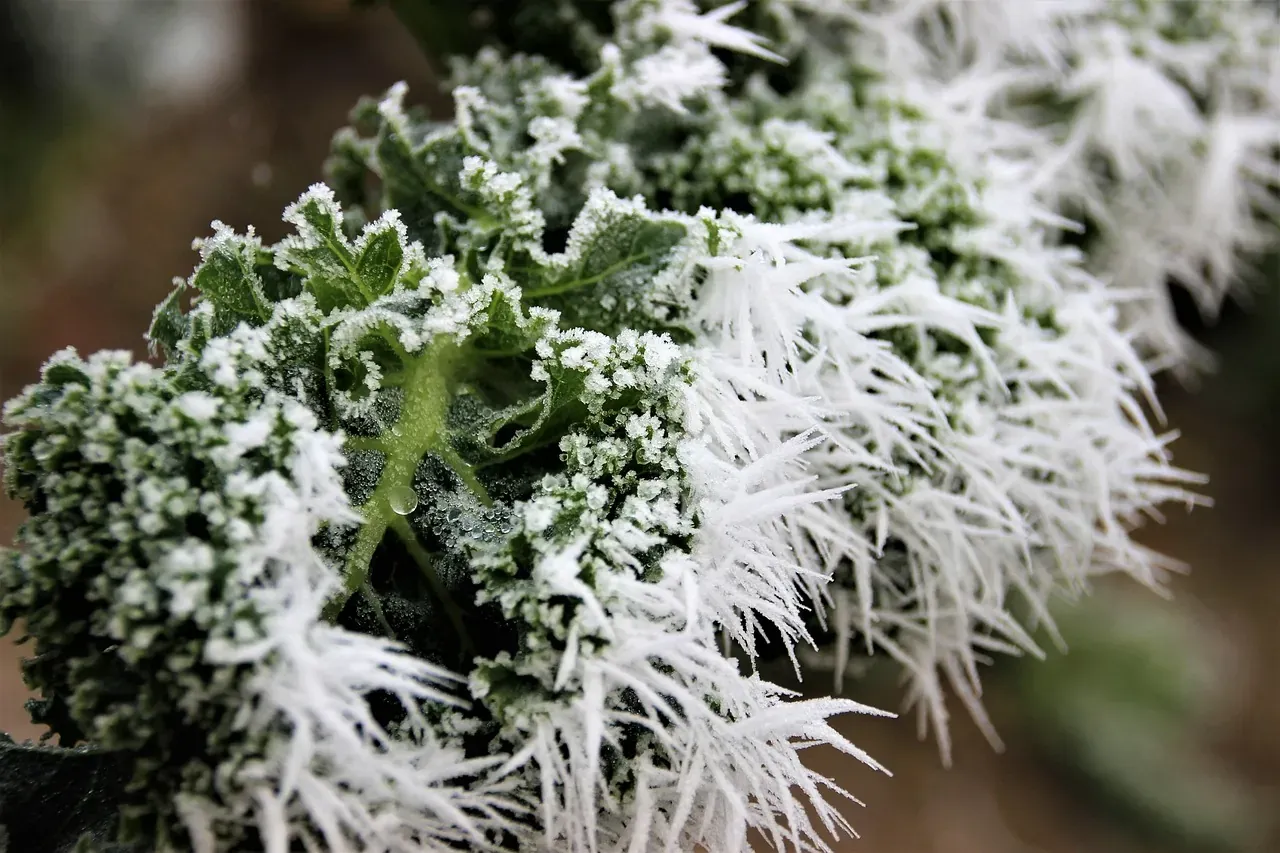
Featured photo: martaposemuckel / Pixabay.


Check your inbox
We sent a confirmation link to . Click it and your planting calendar PDF is on its way. Nothing there in a few minutes? Check your spam or promotions folder.
Crops in this article

No comments yet. Tried this in your garden, or found a date that worked better? Start the thread.
Leave a comment