 PlantAlong

In short
- NC State Extension describes Capsicum annuum, the garden pepper species, as a frost-tender perennial.
- Bring plants in by your first-frost P10 date, which in PlantAlong analysis of NOAA normals falls a median of 14 days before the median first frost.
- Oregon State Extension says overwintered peppers can be held alive but not growing at 40-55°F, cut back and kept under a grow light.
- Penn State Extension suggests rinsing plants, soaking pots for 15 minutes and quarantining for three to four weeks to keep pests out of the house.
- Colorado State says peppers go back outdoors typically 2 or more weeks after the average last spring frost.
On this page
- Can you overwinter pepper plants?
- When to bring them in: your first-frost P10 date
- How to overwinter pepper plants: prune, dig, pot and check for pests
- Dormant method vs keeping them growing
- Light, water and temperature over winter
- Waking them up and replanting after your last frost
- Is it worth it? Pros and limits
- FAQ
- Are pepper plants perennial?
- Is it worth overwintering pepper plants?
- Can peppers survive winter in a greenhouse?
- Do overwintered peppers produce more?
- Sources
You can overwinter pepper plants indoors, because peppers are frost-tender perennials that most US gardens grow as annuals. The method extension sources describe is simple: cut the plant back, pot it up, bring it inside before frost, and keep it cool with little water until spring. The key date is your first fall frost, and the PlantAlong ZIP tool gives you the right one to use.
Can you overwinter pepper plants?#
Yes. NC State Extension's plant database describes Capsicum annuum, the species that includes sweet bells like 'California Wonder' and hot types like cayenne, as "a frost-tender perennial." Oregon State University Extension adds that peppers "can be grown as perennials in greenhouses if optimal temperatures are maintained."
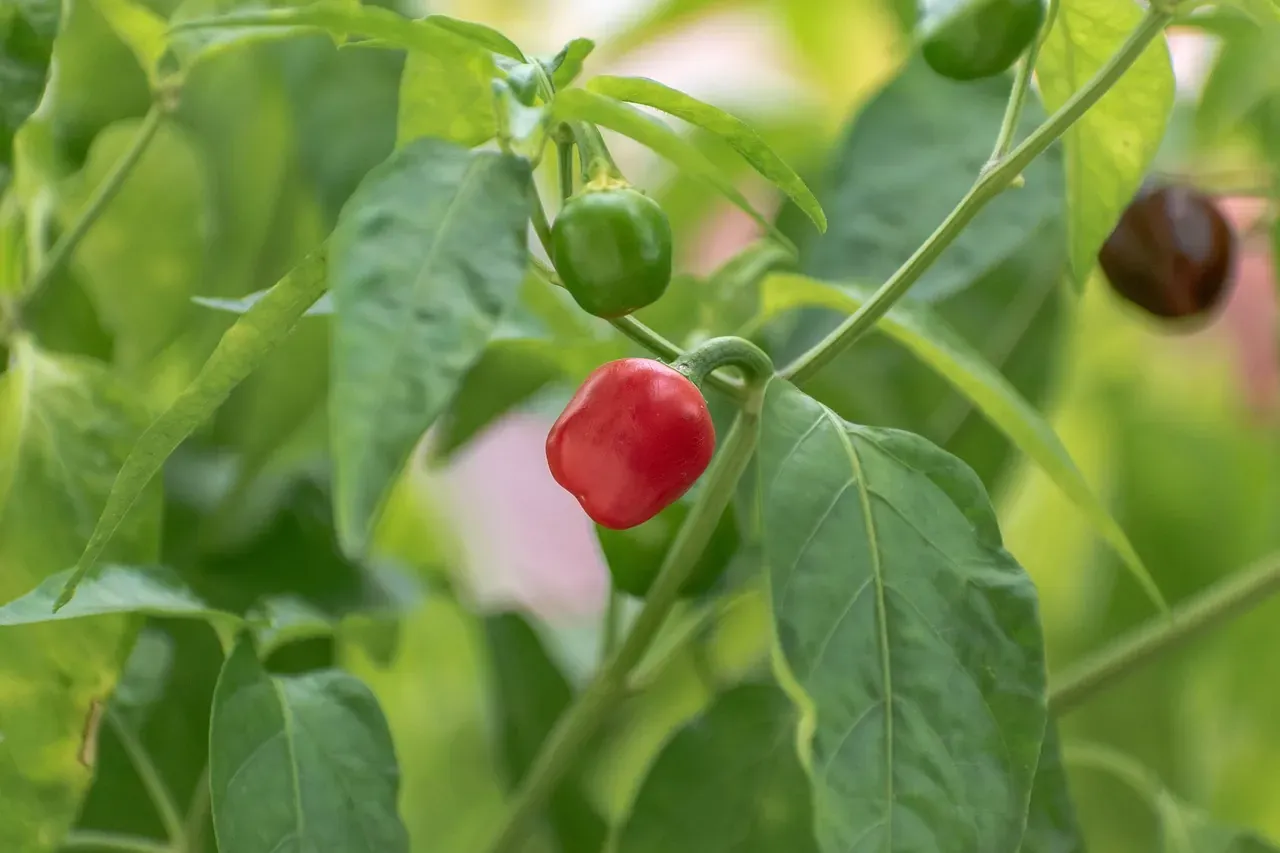 Pepper plant branches with glossy leaves, a ripe red pepper and a green pepper
Photo: balouriarajesh / Pixabay
Frost is the limit. Colorado State lists pepper as "very tender," and Purdue says tender crops are "damaged by light frost." A University of Wyoming Extension educator writes that pepper plants "will slowly start to die once temperatures drop below 40 degrees."
An Ask Extension expert answering a Michigan gardener added that "sweet peppers are less resilient than hot peppers."
A note on coverage: extension writing on how to overwinter pepper plants is thin. We found one extension article that describes a method (an Oregon State column from Klamath County, 2020) and one Ask Extension answer (Michigan, 2023). The rest of this guide draws on general extension advice for moving plants indoors.
When to bring them in: your first-frost P10 date#
The PlantAlong ZIP tool shows two first-frost dates for your ZIP code, both from NOAA's 1991-2020 climate normals for the nearest weather station. The median is the typical date of the first 32°F night. The earlier one, labeled "10% chance by," is the P10 date: in about one year in ten, the first frost has already arrived by then.
If you plan to overwinter pepper plants, use the P10 date as your bring-in deadline. In PlantAlong analysis of NOAA 1991-2020 climate normals, the P10 first frost falls a median of 14 days before the median date, and 12 to 19 days before it in most ZIPs (methodology). A few examples from the tool's data:
| ZIP (city) | First frost P10 ("10% chance by") | Median first frost |
|---|---|---|
| 80202 (Denver) | Sep 28 | Oct 12 |
| 55401 (Minneapolis) | Oct 2 | Oct 16 |
| 43215 (Columbus, OH) | Oct 13 | Oct 24 |
| 60601 (Chicago) | Oct 24 | Nov 5 |
| 30303 (Atlanta) | Oct 27 | Nov 8 |
| 98101 (Seattle) | Nov 1 | Nov 17 |
Earlier is fine when you overwinter pepper plants. NC State Extension says to bring tender plants inside "once nighttime temperatures drop to 55°F and well before the heat in the house is turned on," and the Wyoming educator says peppers are less productive when nights fall below 55°F. Treat P10 as the latest date, not the target.
If your P10 date has passed, bring the plants in now and watch the forecast with frost alerts. For a surprise cold night, see how to cover plants from frost.
Shop the essentials
What you'll need
Supplies for the steps in this guide.
 Start indoorsSeed-starting trays with lidsCell trays with clear domes for sowing seeds indoors.: check price on Amazon (opens in a new tab)
 To sowPepper seedsSeed packets from many sellers: compare varieties and days to maturity.: check price on Amazon (opens in a new tab)
 FeedOrganic vegetable fertilizerA balanced fertilizer for vegetable beds. Follow the bag rate.: check price on Amazon (opens in a new tab)
 Start indoorsLED grow lightLight for seedlings while they grow indoors.: check price on Amazon (opens in a new tab)
As an Amazon Associate I earn from qualifying purchases. Photos show the type of product, not a specific listing. How we choose
How to overwinter pepper plants: prune, dig, pot and check for pests#
- Start with a healthy plant. University of Missouri horticulturist David Trinklein asks first, "Is the plant free of insects and diseases?" Penn State Extension says a severely infested plant is best discarded.
- Dig with the root ball. Missouri says to keep an undisturbed ball of soil and roots and expect to need "an 8-inch pot or larger." Plants already in containers can stay in them.
- Prune roots and top together. Missouri says "the more roots that are pruned off, the more top growth should also be pruned off." Oregon State and the Michigan answer both say to cut the plant back, but neither gives a height, and we found no extension source that does.
- Pot up in potting mix. Missouri says to plant at the same depth in a peat-lite potting mix. Oregon State's pepper guide says garden soil drains slowly and may encourage root rot.
- Clean off pests. NC State lists aphids and whiteflies among pepper pests. Penn State suggests hosing off leaves and stems, soaking the pot to the rim in lukewarm water for at least 15 minutes, and using an insecticidal soap or horticultural oil labeled for the plant if needed.
- Ease it in. NC State suggests moving the pot from sun to light shade to heavy shade over a week.
- Quarantine. Penn State suggests keeping moved plants away from houseplants for three to four weeks so hidden pests show up first.
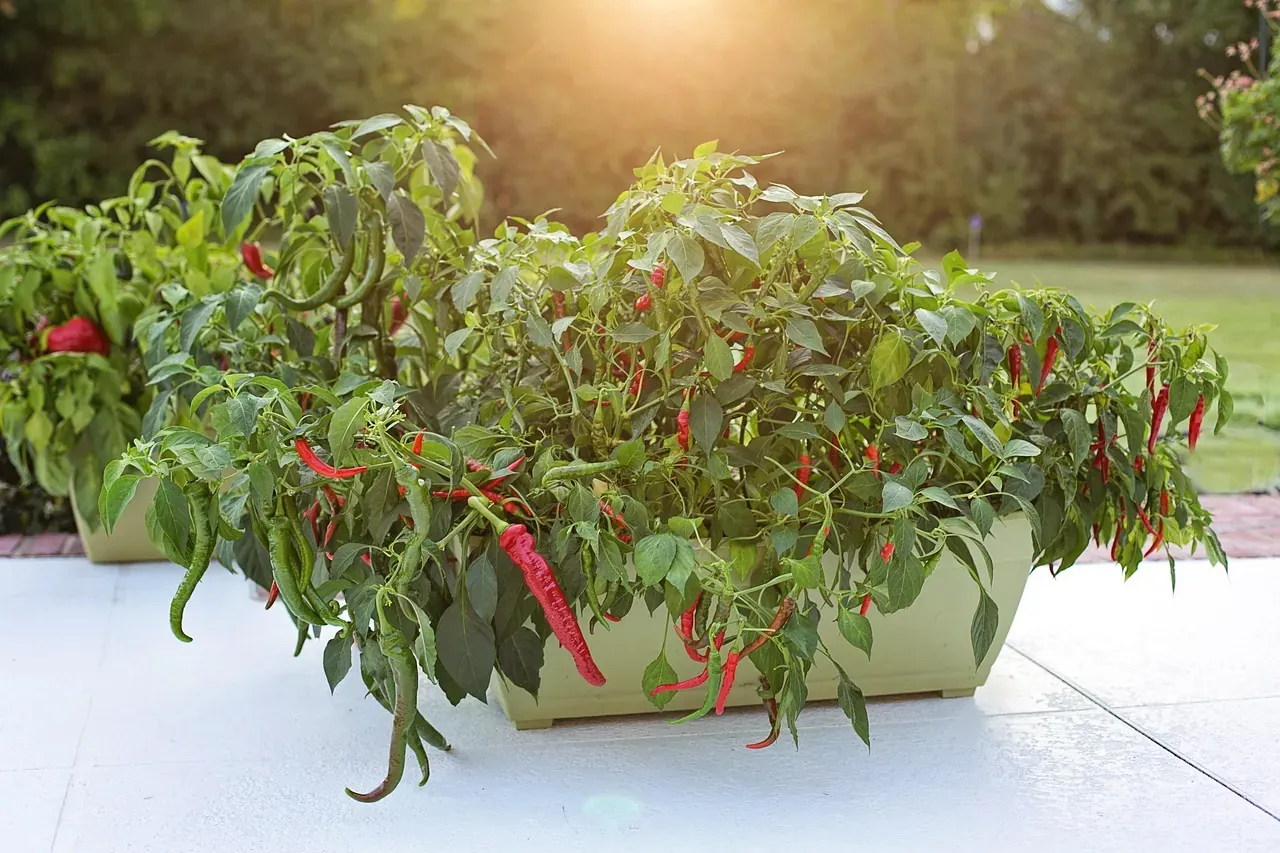
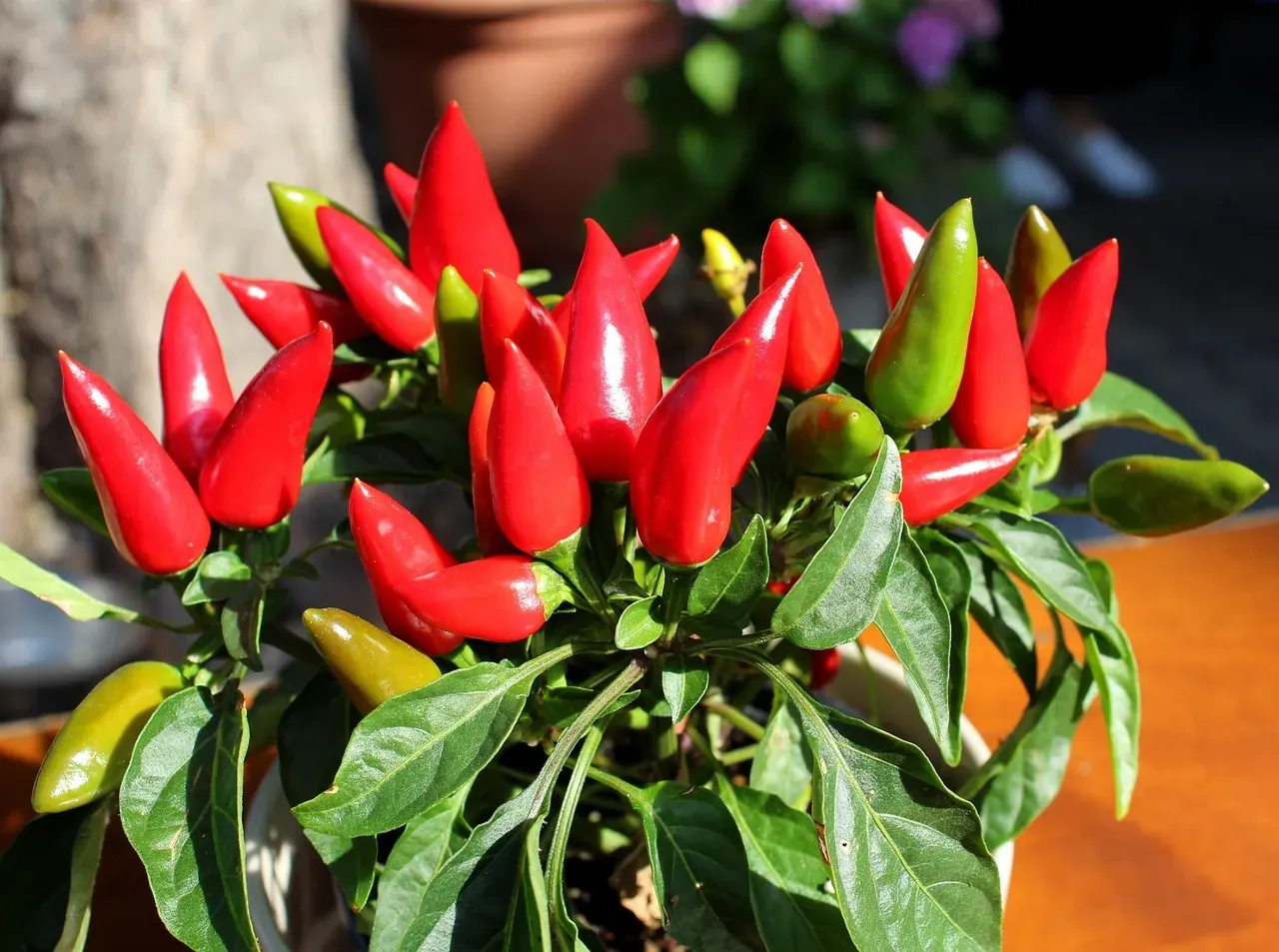 Potted chili pepper plant covered in red, green and yellow pointed peppers
Photo: Frankieboy / Pixabay
Dormant method vs keeping them growing#
Before you overwinter pepper plants, pick a goal. The Michigan Ask Extension answer says what peppers need "primarily depend[s] on your goal for the plants": keeping them alive, or getting fruit over winter.
| Dormant ("stasis") | Keep growing | |
|---|---|---|
| Goal | Keep the plant alive until spring | Leaves, flowers, maybe fruit indoors |
| Temperature | 40-55°F (Oregon State) | Nights above 50°F, days around 70°F (Ask Extension, Michigan) |
| Light | A grow light in a garage worked for Oregon State gardeners | "Artificial lighting will be required" (Ask Extension) |
| Water and feeding | Water "cut back severely," no fertilizer until spring (Oregon State) | Water and fertilize as needed without overdoing either (Ask Extension) |
| Pollination | Not needed | Shake the plant (Ask Extension) or use a fan (Wyoming) |
Oregon State's Klamath Basin column explains why most growers choose dormancy: even above 55°F, "our winter days are too short to ripen fruit and there are no pollinators: the goal is just keeping the plants alive."
Light, water and temperature over winter#
Temperature. For the dormant method, aim for Oregon State's 40-55°F range and never below 40°F, where the Wyoming educator says peppers start to die. NC State says to keep moved plants away from cold drafts and heating ducts.
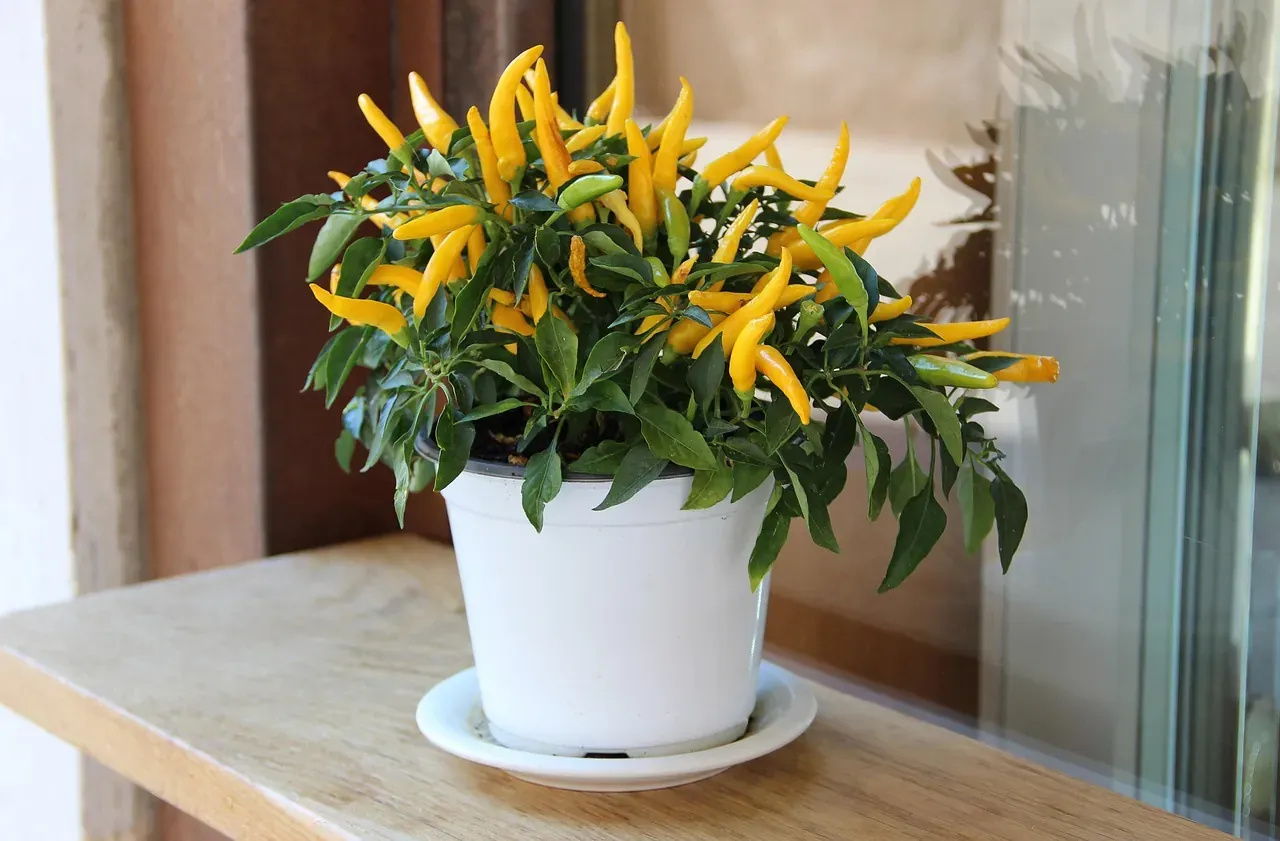 Potted yellow chili pepper plant in a white pot on a sunny windowsill
Photo: Alexandra_Koch / Pixabay
Light. Missouri says garden plants indoors "need bright light in winter," and supplemental light helps most over plants that already sit in a sunny window. NC State notes that weak winter light slows growth, so plants need less water and fertilizer.
Water. Oregon State says water "should be cut back severely." Penn State says to water by soil moisture, not your outdoor schedule.
What to expect. Penn State says some yellowing or leaf drop is normal after a move indoors and plants can take 1 to 2 months to adjust. Keep checking for pests.
Waking them up and replanting after your last frost#
The last step to overwinter pepper plants is the trip back outside. NC State says to move them out once daytime temperatures are around 65°F and nights stay above 50°F, starting in shade and moving gradually into sun. Oregon State's gardeners moved their peppers back outdoors in late spring, and Oregon State says fertilizing should wait until then.
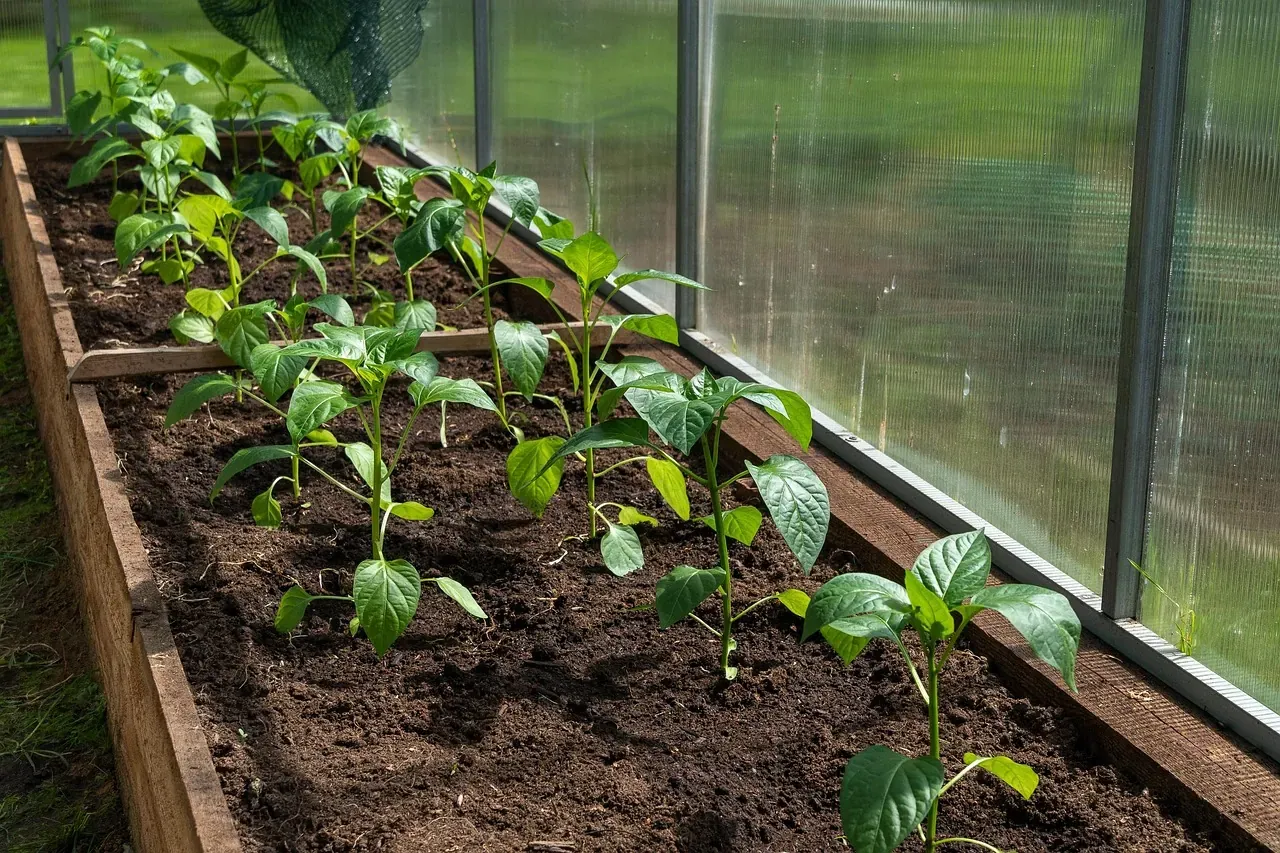 Young pepper transplants growing in a soil bed inside a greenhouse
Photo: Alexei_other / Pixabay
Use the normal transplant rule for planting back in the ground. Colorado State says very tender crops like pepper go out "typically 2+ weeks after the average last spring frost date," and Utah State puts pepper in its "very tender" group, about two weeks after the last frost date. The peppers crop page turns that into dates for your ZIP. In spring, PlantAlong's methodology notes that the 10% last-frost date is the later, safer one: only one year in ten has a frost after it.
Is it worth it? Pros and limits#
Pros. Oregon State's column says overwintering larger plants gives an advantage the next season, "when larger root systems enable plants to regenerate more quickly," and it is a way to keep plants with special meaning. A 2008 study of hydroponic greenhouse peppers in Spain (Riga, Spanish Journal of Agricultural Research) found that cutting plants back and letting them regrow raised marketable yield by up to 27% compared with new young plants. That was a commercial soilless system, not a home garden.
Limits. Missouri's Trinklein lists "I want to save it for next spring and plant it outdoors again" among reasons that may make saving a garden plant a waste of time, and says only that ornamental pepper "might survive indoors" given a suitable spot. The Riga study warned that the method can spread mechanically transmitted diseases such as viruses. Starting over is the alternative: Colorado State lists 6 to 8 weeks as the typical age of a pepper transplant.
If you overwinter pepper plants, choose the healthiest, pest-free ones, and favor hot peppers over sweet.
FAQ#
Are pepper plants perennial?#
Yes, in the right climate. NC State Extension describes Capsicum annuum as a frost-tender perennial, and Oregon State says peppers can be grown as perennials in greenhouses kept at the right temperatures. Frost kills them, so most US gardens grow them as annuals.
Is it worth overwintering pepper plants?#
It can be, if you have a cool, bright spot and pest-free plants. Oregon State says larger root systems help overwintered plants regrow faster, while Missouri Extension warns that many garden plants do poorly indoors.
Can peppers survive winter in a greenhouse?#
Yes. Oregon State says peppers can be grown as perennials in greenhouses kept at 70-80°F by day and 60-70°F at night, though small greenhouses struggle to hold that. For dormancy only, Oregon State gardeners kept plants alive at 40-55°F without a greenhouse.
Do overwintered peppers produce more?#
We found no home-garden trial. A Spanish hydroponic greenhouse study found up to 27% more marketable fruit from cut-back, regrown plants than from new transplants. Whether gardeners who overwinter pepper plants in pots see the same has not been tested.
Sources#
- Five plants local gardeners are overwintering (Oregon State University Extension, Klamath County, 2020)
- Grow Your Own Peppers (EC 1227) (Oregon State University Extension Service)
- Ask Extension: overwintering peppers and herbs (Michigan) (Extension Foundation, Ask Extension)
- Capsicum annuum (NC State Extension Gardener Plant Toolbox)
- Plants Grown in Containers (Extension Gardener Handbook, chapter 18) (NC State Extension)
- Moving Garden Plants Indoors (University of Missouri, Integrated Pest Management)
- Before the First Frost: Bringing Your Plants Indoors for Winter (Penn State Extension)
- Add some pep to your garden (University of Wyoming Extension, Barnyards & Backyards)
- Vegetable Planting Guide (CMG GardenNotes #720) (Colorado State University Extension)
- Suggested Vegetable Planting Dates for Utah (Utah State University Extension)
- The Fall Vegetable Garden (HO-66-W) (Purdue Extension)
- Ratoon cropping technique combined with pluriannual character improves soilless pepper fruit yield (Riga, Spanish Journal of Agricultural Research, 2008)
- PlantAlong analysis of NOAA 1991-2020 climate normals (see our methodology page)
Featured photo: JillWellington / Pixabay.
A 5-part series
Everything peppers, chapter by chapter
- Chapter 1
Growing Bell Peppers: Planting Dates, Spacing and Care
Bell peppers go out about two weeks after your last frost into warm soil, need 1-2 inches of water a week, and are ready about 70-85 days after transplanting. Here is the full season, sourced from extension guides.
✓ Read - Chapter 2
How to Overwinter Pepper Plants Indoors
Peppers are frost-tender perennials. Bring them in by your ZIP's first-frost P10 date, cut them back, keep them at 40-55°F with little water, and replant two weeks after your last frost.
You're reading this✓ Read - Chapter 3
When to Start Pepper Seeds Indoors in Zone 6
Peppers go in about 6 to 8 weeks before your last frost, but zone 6 frost dates span more than three weeks. Here are sourced rules and example sowing dates for 6a and 6b.
✓ Read - Chapter 4
Fertilizer for Pepper Plants: What to Use and When
Extension rates and timing for feeding peppers: soil test first, a moderate pre-plant dose, a nitrogen side-dress around first fruit set, and liquid feed for pots.
✓ Read - Chapter 5
Growing Peppers in Containers: Pot Size, Soil and Care
What extension guides say about growing peppers in pots: how big a container, which mix, when to move it outside, how often to water and feed, and when to bring it in.
✓ Read
5 of 5 chapters are out; new ones appear here as they publish.



Check your inbox
We sent a confirmation link to . Click it and your planting calendar PDF is on its way. Nothing there in a few minutes? Check your spam or promotions folder.
Crops in this article


No comments yet. Tried this in your garden, or found a date that worked better? Start the thread.
Leave a comment