 PlantAlong
In short
- Oregon State, Maryland and NC A&T Extension all point to about 5 gallons of mix per pepper plant; NC State lists 2 gallons as a minimum and Maryland's container guide 8 to 10.
- Use a well-draining potting mix or compost, not garden soil, which Oregon State says drains slowly and may encourage root rot.
- Colorado State says to set very tender peppers out about 2 or more weeks after the average last spring frost, once days stay above 55°F.
- Container peppers may need water every day in warm weather; NC State says to check 2 to 3 inches down with a finger.
- NC State advises bringing tender container plants indoors once nights drop to 55°F.
On this page
- Growing peppers in containers: quick reference
- Pot size for peppers
- Drainage and pot color
- Potting mix, not garden soil
- When to set pepper pots outside
- Sun and placement
- Watering container peppers
- Feeding peppers in pots
- Staking and support
- Bring the pot indoors in fall
- FAQ
- What size pot for a pepper plant?
- Can you grow peppers indoors in pots?
- How many pepper plants per 5 gallon bucket?
- Sources
Growing peppers in containers works well: Oregon State University Extension says peppers "grow well in containers," and a 5-gallon bucket or half-barrel planter suits one plant. Fill the pot with a well-draining potting mix, set it in full sun after your last frost, and check the mix every day in warm weather, because container peppers may need daily watering.
This guide to growing peppers in containers covers pot size, mix, timing, sun, water, feeding, support and the fall move indoors, with every number from an extension source listed at the end. For peppers in the ground, see our guide to growing bell peppers.
Growing peppers in containers: quick reference#
| Task | What extension sources say |
|---|---|
| Pot size | 5 gallons for one plant is the common minimum (Oregon State, Maryland, NC A&T); range runs from 2 to 10 gallons |
| Mix | Well-draining potting mix or compost, not garden soil (Oregon State, Maryland) |
| Water check | Push a finger 2 to 3 inches into the mix; water if dry, until water runs out the bottom (NC State) |
| Feed | After the mix's starter fertilizer runs out: weekly (NC A&T) or every 2 weeks (Maryland), lightly |
| Fall | Bring the pot in once nights drop to 55°F (NC State) |
Pot size for peppers#
Extension sources do not agree on one pot size for growing peppers in containers, so here is the full range for a single plant:
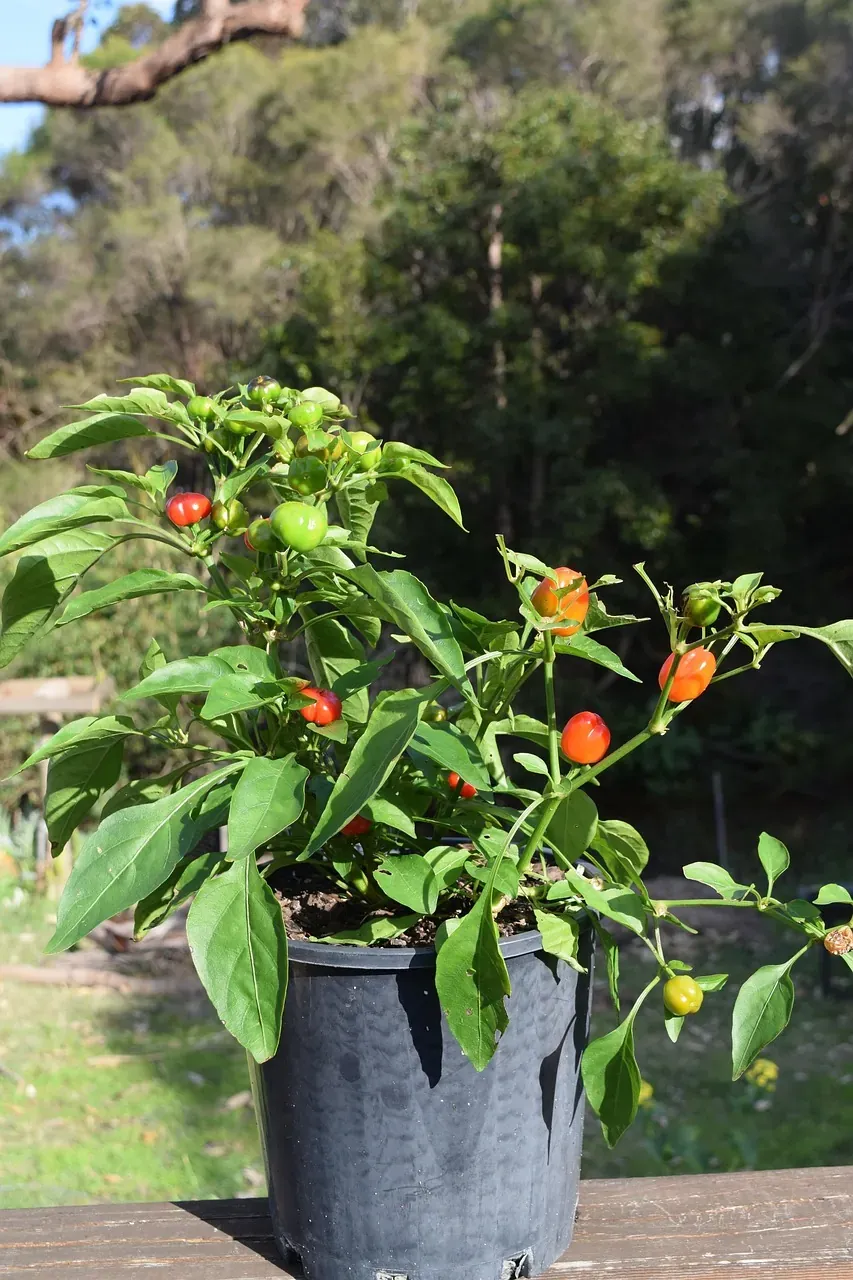 Small pepper plant with ripening orange and red fruit in a black plastic pot on a deck
Photo: Anyaall / Pixabay
- 2 gallons, 12 to 16 inches deep: NC State Extension's container table, one plant per container.
- 5 gallons: Oregon State ("a 5-gallon bucket, half-barrel planter or similar-sized container works well for a single plant"), University of Maryland's pepper page ("5-gallon minimum") and NC A&T ("at least five gallons").
- 8 to 10 gallons, 12 to 16 inches deep: University of Maryland's container guide lists pepper with large vegetables. It puts dwarf pepper varieties at 4 to 6 gallons, 8 to 12 inches deep.
Bigger is safer. NC State says flowering and fruiting drop in small pots, and that larger containers "do not dry out as quickly and require less frequent watering." For growing peppers in containers, 5 gallons is where most sources meet.
Drainage and pot color#
Oregon State suggests drain holes in the bottom and in the sides about an inch above the bottom, then raising the pot on bricks or pot feet so the holes can drain. Maryland adds that rocks or gravel in the bottom do not improve drainage and may raise the water table in the pot.
Color matters too. NC A&T recommends light-colored plastic, because dark containers hold heat that can damage roots, and NC State says to keep dark containers out of full sun. Clay and terra cotta pots dry out faster and need more frequent watering (NC A&T, Maryland).
Potting mix, not garden soil#
Maryland Extension says the mix matters a lot in pots, because roots depend on a small volume of it. Oregon State says to avoid garden soil or native soil from your yard in containers: it is "slow to drain and may encourage root rot." Maryland calls garden soil too dense for pots and says topsoil belongs only in very large containers, at no more than 5 to 10 percent of the volume.
Maryland lists three mixes that work for container vegetables: 100% soilless mix, 100% compost, or half and half. NC A&T warns against mixes high in peat moss, which compresses during the season. Maryland also says never to add lime to a commercial mix, since lime is already in it. For the difference between bagged products, read raised bed soil vs potting soil.
Shop the essentials
What you'll need
Supplies for the steps in this guide.
 Start indoorsSeed-starting mixA fine, light mix for sowing in trays.: check price on Amazon (opens in a new tab)
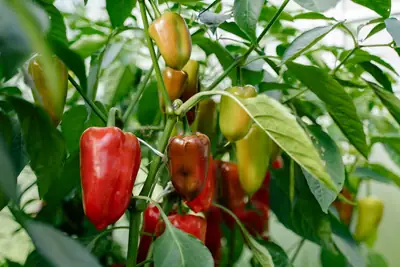 To sowPepper seedsSeed packets from many sellers: compare varieties and days to maturity.: check price on Amazon (opens in a new tab)
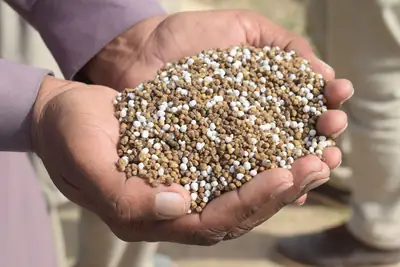 FeedOrganic vegetable fertilizerA balanced fertilizer for vegetable beds. Follow the bag rate.: check price on Amazon (opens in a new tab)
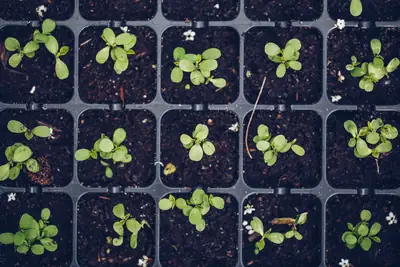 Start indoorsSeed-starting trays with lidsCell trays with clear domes for sowing seeds indoors.: check price on Amazon (opens in a new tab)
As an Amazon Associate I earn from qualifying purchases. Photos show the type of product, not a specific listing. How we choose
When to set pepper pots outside#
Peppers are very tender. Colorado State University Extension puts them in its "very tender" group and says to plant them out typically 2 or more weeks after the average last spring frost, once daytime temperatures stay above 55°F. Oregon State says to wait until the danger of frost is past and the soil has warmed to at least 60°F. Maryland says planting before the soil reaches 65°F will cause plants to "just sit there."
Your hardiness zone will not give you that date. In a PlantAlong analysis of NOAA 1991-2020 climate normals, the median last frost across ZIP codes in zone 6a runs from April 16 to May 10 (10th to 90th percentile, methodology). Look up your own ZIP in the planting calendar.
One advantage of growing peppers in containers is that the pot can move. NC State notes that containers let you change a plant's location if sun or temperature is not helping it grow. Nights matter as much as frost: NC State Extension in Burke County says fruit will not set when nights fall below 55°F. When it describes moving tender container plants back outside in spring, NC State's handbook says not to leave them out if the forecast calls for nights below 50°F. Plan ahead for heavy pots: NC State says a 20-inch container of mix and plants can weigh 100 pounds, and a rolling platform helps.
At planting, Maryland and Oregon State both suggest pinching off early flowers and small fruit so the plant builds size first.
Sun and placement#
Oregon State recommends full sun for at least 6 to 8 hours. Maryland says peppers need at least 6 hours of direct light and prefer 8 to 10.
Heat is the other limit. Purdue says peppers often drop blossoms when days are above 90°F, and Maryland says evenings above 75°F slow or stop fruiting. Oregon State warns that hot late-afternoon sun can cause sunscald, and suggests shade cloth or a spot with natural afternoon shade.
Containers let you use microclimates. NC State says south and west exposures are the sunniest and warmest, north and east are shadier and cooler, and brick or concrete holds heat.
Watering container peppers#
Water is where growing peppers in containers differs most from a bed. Maryland says improper watering, too much or too little, is the number one reason container gardens fail.
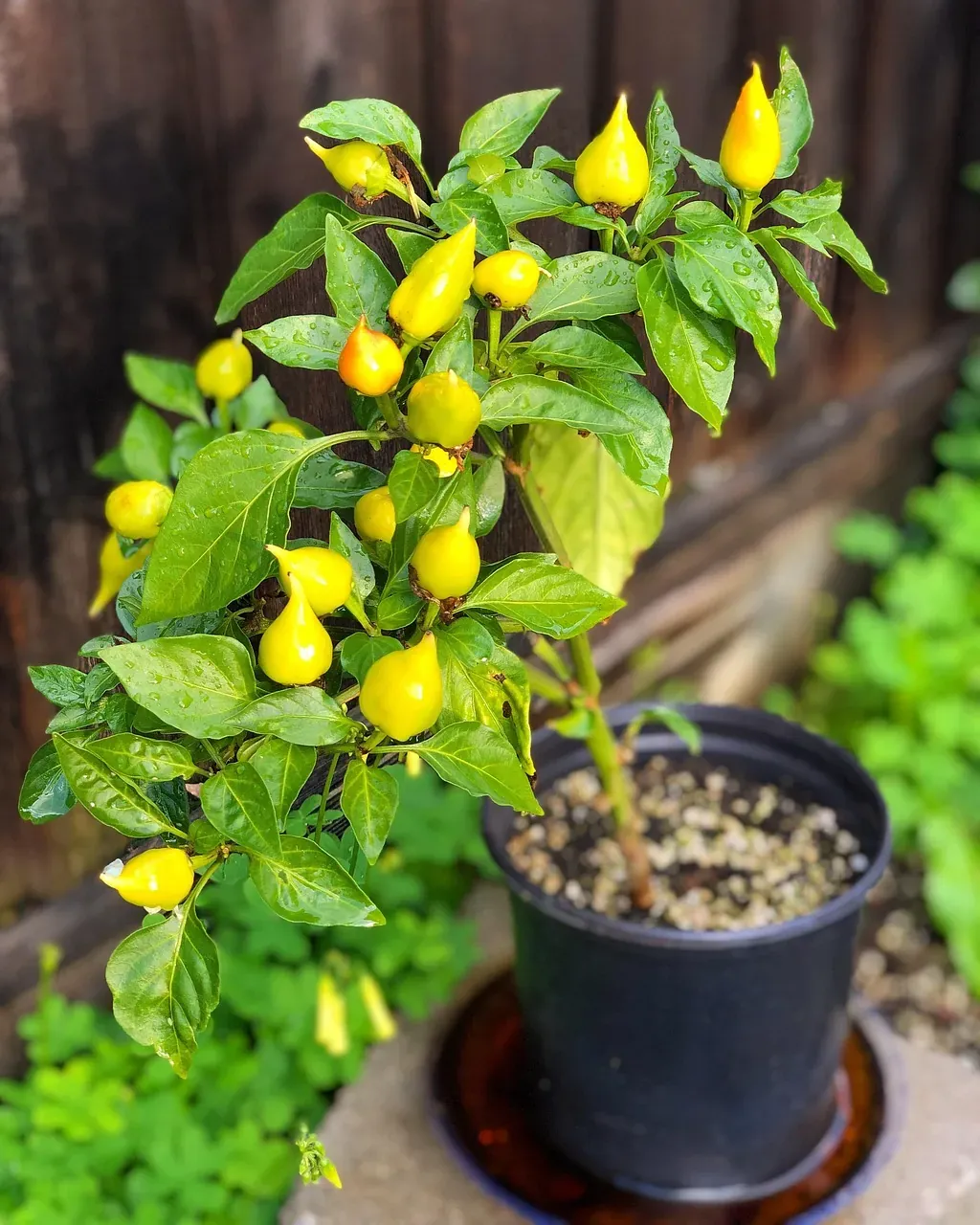 Yellow pepper plant growing in a black plastic pot that sits on a drip saucer
Photo: ottawagraphics / Pixabay
Oregon State says peppers need 1 to 2 inches of water a week; NC A&T says about 1 inch, keeping the mix "moist but not soggy." Pots run out of water fast. Oregon State says container peppers may need daily watering, "especially later in the season when the plant's root system is large," and NC State says most mature containers need water at least once a day.
To check, NC State says to push a finger 2 to 3 inches into the mix and water if it is dry. Water until it runs from the drainage holes (Maryland, NC State), then empty the saucer. Maryland points out that pots under an overhang or on a porch get no rain at all.
Do not let the pot dry out completely. NC State says that damages feeder roots and leads to flower and fruit drop. Oregon State links blossom-end rot mainly to a water imbalance that affects calcium movement, and says steady moisture is the main fix. NC State also says 1 inch of mulch on top of the mix cuts water loss; keep it about 1 inch away from the stem.
Feeding peppers in pots#
Frequent watering washes nutrients out of pots (NC State, Maryland), so growing peppers in containers means regular feeding. The sources differ on the schedule:
- NC A&T: most mixes carry a fertilizer charge that lasts about two weeks. Then feed weekly with a water-soluble balanced fertilizer such as 20-20-20 until flowering, and switch to a high-potassium fertilizer once flowers appear.
- Maryland: long-season crops including pepper "may need to be lightly fertilized every 2 weeks."
- Oregon State: check the bag first, since many mixes hold enough fertilizer for weeks. Feed again when plants begin to flower; containers may need two applications a season.
Do not overdo it. NC State says too much fertilizer promotes leaves at the expense of flowers and fruit and can build up salts. For products, rates and timing, see fertilizer for pepper plants.
Staking and support#
Maryland says pepper plants can reach 3 to 4 feet and that their stems can become brittle, so support them with cages or short trellises. NC A&T recommends wire tomato cages for container peppers and says to put them in while plants are small, because installing them later can damage the plant.
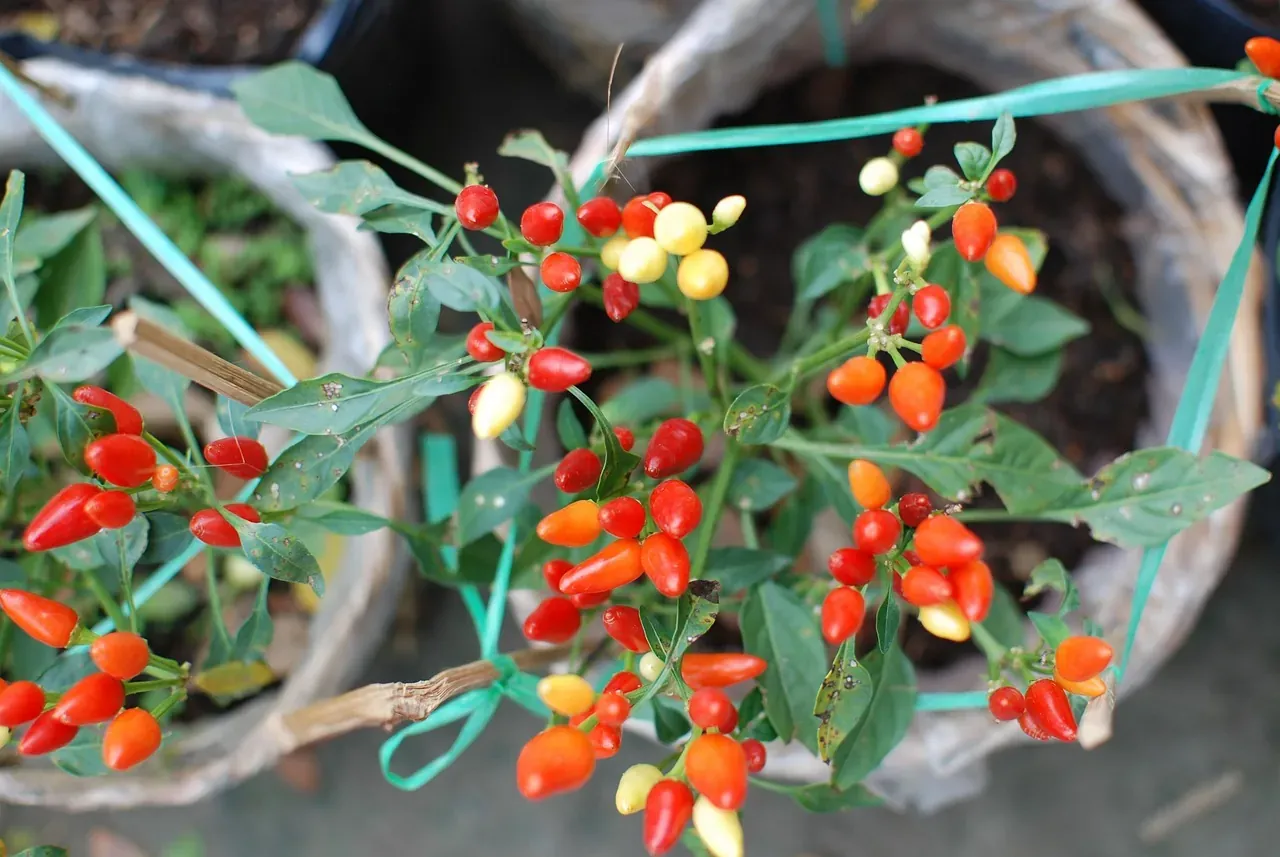 Chili pepper plants in fabric grow bags, held up with green plant ties
Photo: mophamnhu / Pixabay
When you harvest, cut the fruit off rather than pulling it, to avoid breaking branches (Maryland, NC A&T).
Bring the pot indoors in fall#
The end of the season is easier when you are growing peppers in containers. NC State's handbook says to bring tender plants inside "once nighttime temperatures drop to 55°F and well before the heat in the house is turned on." Move the pot from sun to light shade to heavy shade over about a week, then indoors, away from cold drafts and heating ducts.
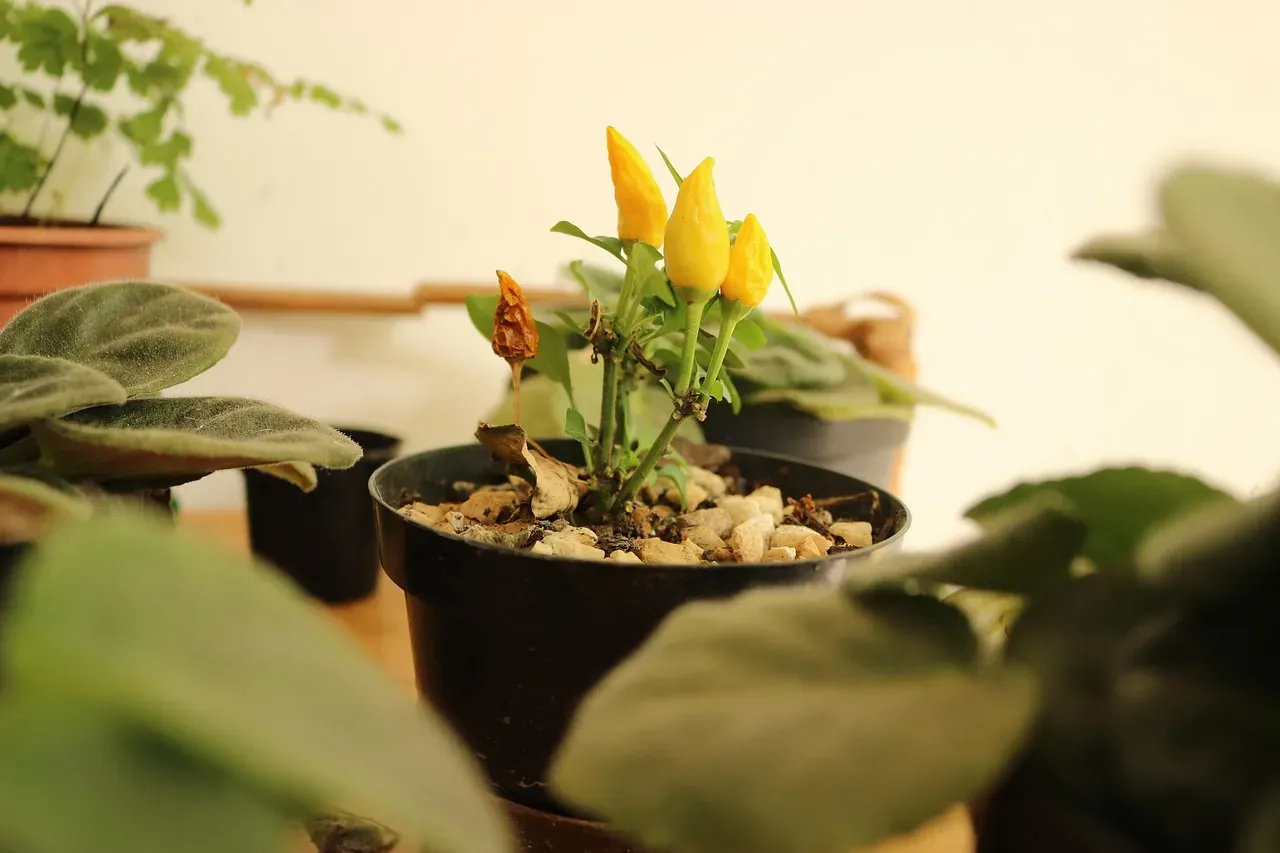 Yellow chili pepper plant in a black pot indoors among other houseplants
Photo: SavannahPiske / Pixabay
If you want fruit indoors, an Ask Extension expert (Michigan) says the plant will need nights above 50°F, days around 70°F and artificial lighting. Most growers keep the plant cool and nearly dormant instead. Our guide on how to overwinter pepper plants covers pruning, light and water for that method.
FAQ#
What size pot for a pepper plant?#
About 5 gallons per plant, the most common extension advice (Oregon State, Maryland, NC A&T). The full range runs from 2 gallons (NC State) to 8 to 10 gallons (Maryland's container guide), as shown in the pot size section above.
Can you grow peppers indoors in pots?#
Yes, with warmth and light. Growing peppers in containers indoors for fruit takes nights above 50°F, days near 70°F and artificial lighting, per the Ask Extension answer above, and you may need to shake the plant to help pollination. Oregon State notes that ornamental pepper cultivars are also grown as houseplants.
How many pepper plants per 5 gallon bucket?#
One. Oregon State calls a 5-gallon bucket the right size "for a single plant." NC A&T allows one or two plants in a container of at least five gallons, and NC State's container table lists one plant per container.
Sources#
- Grow Your Own Peppers, EC 1227 (Oregon State University Extension Service)
- Growing Peppers in a Home Garden (University of Maryland Extension)
- Types of Containers for Growing Vegetables (University of Maryland Extension)
- Growing Media (Potting Soil) for Containers (University of Maryland Extension)
- Maintaining Container Grown Vegetables (University of Maryland Extension)
- Growing Fruiting Vegetables in Containers: Tomato, Pepper and Eggplant (North Carolina A&T State University Cooperative Extension)
- Extension Gardener Handbook, Chapter 18: Plants Grown in Containers (NC State Extension)
- Blossom Drop (N.C. Cooperative Extension, Burke County Center)
- Vegetable Planting Guide, CMG GardenNotes #720 (Colorado State University Extension)
- Hot Weather Is Tough on Plants Too! (Purdue University, Yard and Garden)
- Overwintering peppers and herbs (Ask Extension)
Featured photo: guvo59 / Pixabay.
A 5-part series
Everything peppers, chapter by chapter
- Chapter 1
Growing Bell Peppers: Planting Dates, Spacing and Care
Bell peppers go out about two weeks after your last frost into warm soil, need 1-2 inches of water a week, and are ready about 70-85 days after transplanting. Here is the full season, sourced from extension guides.
✓ Read - Chapter 2
How to Overwinter Pepper Plants Indoors
Peppers are frost-tender perennials. Bring them in by your ZIP's first-frost P10 date, cut them back, keep them at 40-55°F with little water, and replant two weeks after your last frost.
✓ Read - Chapter 3
When to Start Pepper Seeds Indoors in Zone 6
Peppers go in about 6 to 8 weeks before your last frost, but zone 6 frost dates span more than three weeks. Here are sourced rules and example sowing dates for 6a and 6b.
✓ Read - Chapter 4
Fertilizer for Pepper Plants: What to Use and When
Extension rates and timing for feeding peppers: soil test first, a moderate pre-plant dose, a nitrogen side-dress around first fruit set, and liquid feed for pots.
✓ Read - Chapter 5
Growing Peppers in Containers: Pot Size, Soil and Care
What extension guides say about growing peppers in pots: how big a container, which mix, when to move it outside, how often to water and feed, and when to bring it in.
You're reading this✓ Read
5 of 5 chapters are out; new ones appear here as they publish.
Check your inbox
We sent a confirmation link to . Click it and your planting calendar PDF is on its way. Nothing there in a few minutes? Check your spam or promotions folder.
Crops in this article
No comments yet. Tried this in your garden, or found a date that worked better? Start the thread.
Leave a comment